The Personality Atlas
THE CELEBRITY PERSONALITY ARCHIVE / COMEDY & TELEVISION

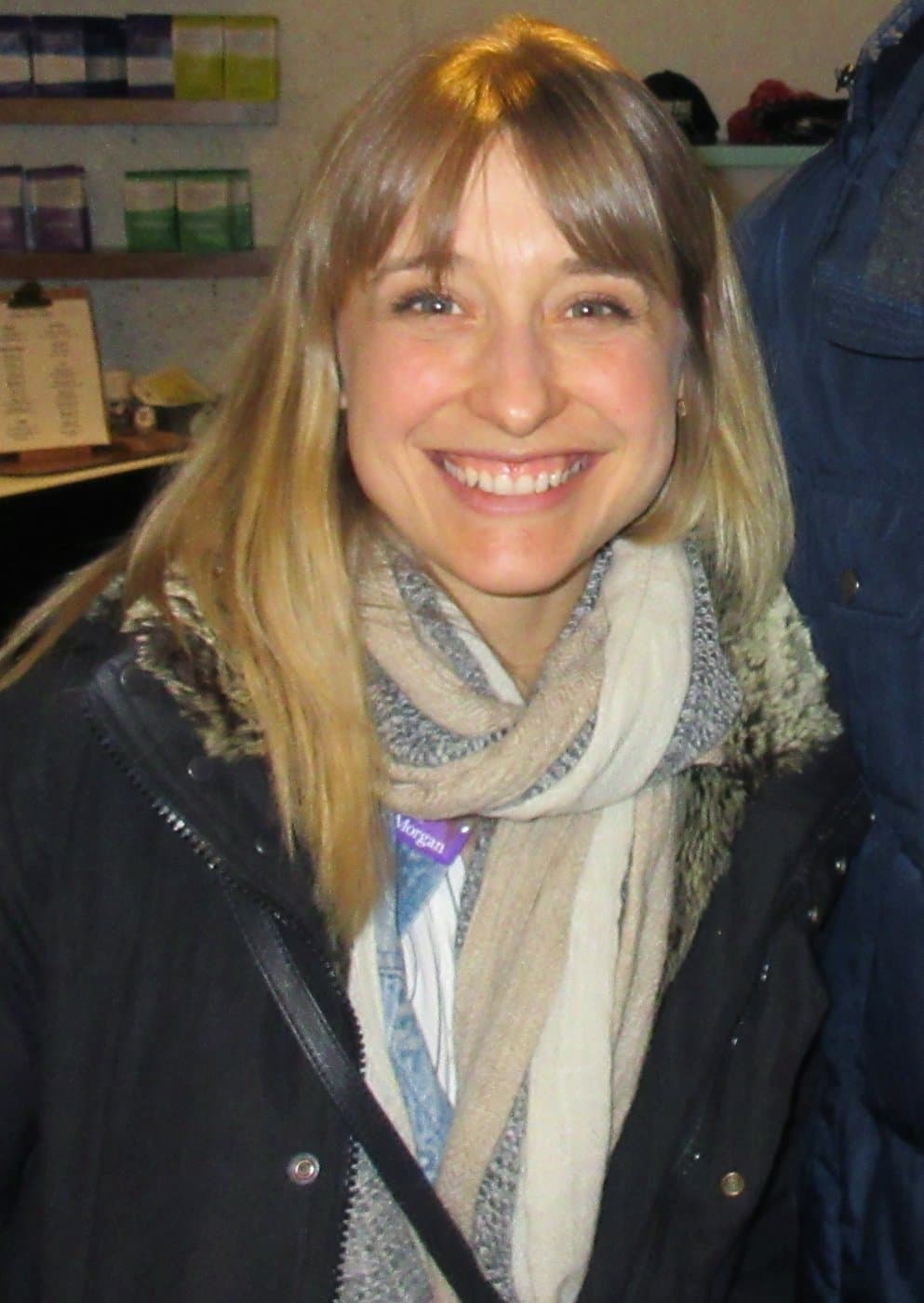
Tina Fey.

Comedian · Writer · Producer · Actor

Tina Fey did not become a comedy institution by sounding agreeable. From becoming Saturday Night Live’s first female head writer to turning backstage frustration into 30 Rock, writing Mean Girls, publishing Bossypants, and making a Sarah Palin impression that swallowed an election cycle, she built a career on precise judgments delivered with a deceptively tidy smile.

OBJECTIVE PERSONALITY CLASSIFICATIONFF-Fi/Ne-CP/S(B)What does this mean?
PERSONALITY SYSTEMObjective Personality
LEAD FUNCTIONFi · Introverted Feeling
SECOND SAVIOR FUNCTIONNe · Extroverted Intuition
MBTI EQUIVALENTINFP
01 / BEHIND THE CLASSIFICATION

The personality behind the fame.

How does a recorded OPS classification like FF-Fi/Ne-CP/S(B) break down? Walk through nine coins and watch the proposed type take shape. These are deductions from the archived code, not independent evidence of typing accuracy.

Scroll below to see Tina Fey take shape.

STARTING POINT512 possible OPS typesEach type combines core functions, an animal order, and sexual modalities.
THE FINISH LINEFF-Fi/Ne-CP/S(B)One recorded classification, decoded from its components.
Tina Fey’s HUMAN NEEDS 01—03
01
DECIDER OR OBSERVER?

Decider over Observer

Deciders have more balanced Observer poles in the middle: Control (Oi) and Chaos (Oe). Organizing what's known and handling what's new tend to feel more manageable. People are the harder territory. Self (Di) and Tribe (De) sit at the extremes, so judgment, rejection, approval, and conflict can trigger the strongest reactions.

Tina Fey’s public record reads less like a battle with chaos than a battle with people, taste and judgment. At SNL she had to write for performers, manage a room, anchor Weekend Update and survive criticism from viewers and reviewers who were happy to say when a joke missed. That is classic Decider pressure: Who gets heard, who gets respected, who gets blamed. The strength is sharp social calibration under pressure. The blind spot is that people problems can become so consuming that practical limits or timing issues look secondary.


D
02
SELF OR TRIBE?

Di · Self over De · Tribe

Self (Di) is the stronger deciding pole. They check decisions against their own values or reasons first: what makes sense to me, what feels right to me? The strength is independent conviction; the recurring friction is the Tribe (De)—other people's standards, feedback, and expectations. As the portrait unfolds, notice how Self takes the lead.

Fey’s voice has always had an owner. She anonymously wrote a satirical school column as a teenager, built Mean Girls out of observations she actually cared about, and in Bossypants turned her own perspective into the selling point rather than sanding it down into bland likability. Self over Tribe is not selfishness; it is trusting an inner standard before crowd approval arrives. That gives her work bite. The cost is obvious in the title Bossypants itself: a strong private standard can read as overcontrol, and other people may feel managed rather than invited.

Di
03
GATHER OR ORGANIZE?

Oe · Gather over Oi · Organize

Gather (Oe) leads with new information, experiences, and possibilities. Its strength is curiosity and adaptability; the recurring friction is narrowing the options and settling into what is already known. Another layer of the personality portrait comes into focus.

Her career keeps opening by pivot, not by staying in one lane. A rejected pilot about cable news became 30 Rock. A teen movie became a Broadway musical and then a musical film. She moved from writer to performer to creator to producer to memoirist to director. Gather over Organize helps explain that appetite for another angle, another format, another possibility worth trying. The advantage is adaptability with range. The tradeoff is selectivity: when many versions could work, choosing one clean direction can feel more restrictive than inspiring.

Oe
FIRST THREE COINSD + Di + Oe

These establish the preferred human needs in the OPS framework.

Tina Fey’s FUNCTIONS 04—05
04
FEELING OR THINKING?

Feeling · F over Thinking · T

Feeling (F) evaluates decisions through values, meaning, and what matters—not simply through emotion. Its strength is a clear sense of significance; Thinking (T) provides balance through impersonal reasons, consistency, and evidence. Combined with Self (Di), this forms the recorded Savior Fi.

Feeling shows up in how much Fey’s work depends on what she can personally stand behind. Mean Girls was not just a market calculation; she drew from her own high-school observations and shaped them into a moral comedy about status and cruelty. Later, in 2020, she publicly apologized for 30 Rock episodes featuring blackface and had them removed from circulation. Fi gives her a clear internal line. Its strength is conviction with authorship. Its blind spot is that a values-based call still leaves practical and public disagreements that conviction alone cannot settle.

F → Fi
05
SENSING OR INTUITION?

Intuition · N over Sensing · S

Intuition (N) focuses on concepts, patterns, and what information might mean. Sensing (S) balances it through observable facts, physical detail, and direct experience. Combined with Gather (Oe), this gives the recorded Savior Ne.

Intuition is all over Fey’s best-known moves. She saw a sitcom hiding inside the experience of running a sketch show. She saw that Sarah Palin was not only a politician to mimic, but a fully formed comic lens through which the culture could read an election. She saw enough elasticity in Mean Girls to remake it for Broadway and then film again. Ne’s strength is spotting alternative versions quickly and making them usable. The cost is that the clever possibility can arrive faster than the slower work of narrowing, simplifying and committing.

N → Ne
THE TWO SAVIOR FUNCTIONSFi / Ne

Opposing functions: Te and Si.

Tina Fey’s ANIMAL STACK 06—07
06
CONSUME OR BLAST?

Consume over Blast

Consume gathers information for internal processing; Blast organizes and communicates information. The recorded order is Consume → Play → Sleep → Blast. This comparison follows their positions in that stack.

Consume fits a career built on taking material in before pronouncing on it. Fey grew up devouring comedy, read a history of film comedians at eleven for a school project, obsessed over SNL before joining it, and developed a reputation for tightly parsed joke writing on Weekend Update. The strength of Consume is depth: she rarely sounds like she is riffing without enough raw material. The blind spot is delay by refinement. More references, more drafts and more observation can keep enriching the work while postponing the simplest explanation of what she wants to say.

C > B
07
PLAY OR SLEEP?

Play over Sleep

Play emphasizes external real-time engagement; Sleep emphasizes internal processing. The recorded stack places Play earlier.

After Consume, Play arrives before Sleep, and that order matters for someone whose career was forged in rooms full of other fast people. Second City, SNL, Weekend Update with Jimmy Fallon and later Amy Poehler, and the constant ensemble traffic of 30 Rock all show how readily Fey can test ideas in motion with other minds. Play brings pace and live responsiveness. Sleep later means the quieter, solitary consolidation does not lead the process. The cost is that a room can sharpen a joke quickly while deeper internal settling may have to happen after the exchange.

P > S
Tina Fey’s ANIMAL ORIENTATION 08—09
08
INFO OR ENERGY DOMINANT?

Energy over Info

Energy dominant means Play and Sleep are both in the top three: there is access to expending energy through engagement and conserving it through internal processing. Blast last leaves the information side uneven—Consume may gather far more than gets communicated.

Fey’s stack lands on Energy over Info because her top three animals keep both outward engagement and private processing active before the final gap appears. She can gather material, spar in real time, and still retreat long enough to shape a coherent comic world; that combination helps explain how one person can write, perform and run multiple projects. The void sits in the missing fourth animal, Blast. The growth cost is not a lack of ideas but a reluctance to package them into the plainest possible message, early enough for everyone else to align around it.

Energy
09
INTROVERSION OR EXTROVERSION?

Introversion over Extroversion

The last animal, Blast, determines this OPS coin: Play or Blast last means Introversion; Consume or Sleep last means Extroversion. This describes animal orientation, not sociability or shyness.

This profile is Introversion, but not because Tina Fey lacks public presence. She has hosted awards shows, anchored Weekend Update, led sitcoms and delivered one of SNL’s most famous impressions. OPS introversion here comes from Blast landing last in Consume → Play → Sleep → Blast: broadcasting settled conclusions is less automatic than learning, interacting and privately organizing. The strength is substance before proclamation. The blind spot is leaving the larger point too implicit. Her growth edge is to state the thesis sooner, not just make it funnier.

I
Sexual Modalities

The four sexual modalities.

OPS uses masculine/feminine sensory and extroverted-deciding distinctions as framework-specific terms, not gender categories. The four modalities are already included in the original 512 types. The recorded modality is FF · Tester.

MM KinestheticMasculine Sensory · Masculine De
MF AudioMasculine Sensory · Feminine De
FF RECORDED MODALITYTesterFeminine Sensory · Feminine De
FM VisualFeminine Sensory · Masculine De
COMPLETE RECORDED OPS TYPE · MODALITY INCLUDEDFF-Fi/Ne-CP/S(B)

Fi leads, Ne supports, and the animal stack is Consume → Play → Sleep → Blast.

THE FINISHED PORTRAIT · ALL NINE COINS REVEALED

Tina Fey's complete function and animal stack

ConsumePlaySleepBlastmFimNefSifTe
FF-Fi/Ne-CP/S(B)DOUBLE ACTIVATED · CONSUMEExplore the Interactive Coin Builder →
THE TINA FEY LENS

The operator behind the deadpan

Tina Fey can look effortless in public: the Palin glasses, the Weekend Update stare, the Liz Lemon exhaustion that somehow lands as control. But the public impression sits on a long writer’s apprenticeship—school satire, Second City, SNL scripts, and years spent learning how a joke survives a room full of smart, impatient people.

Her exact savior pairing is Fi and Ne. That combination gives Fey a sharp personal standard and a knack for finding the next possible version of an idea, whether that meant turning sketch-show chaos into 30 Rock or rebuilding Mean Girls for Broadway and film. The strength is authored originality. The limit is that conviction plus cleverness can outrun simpler consensus, logistics or plain explanation.

As a Decider and Double Observer, Fey’s central imbalance is not primarily about control versus chaos in the world. It is about people, significance, approval and the friction of competing judgments. The Double Observer pairing matters here: she can usually navigate changing circumstances, but the human stakes stay louder. The neglected function is Te, opposite her lead Fi—external metrics, blunt delegation and the impersonal efficiency of saying exactly what the plan is.

Consume → Play → Sleep → Blast puts Blast last, so the strain is not performing in public but turning a rich private-and-collaborative process into a simple shared conclusion soon enough. The useful balance is specific: keep the sharp rewrites and ensemble spark, but name the point earlier in the room so collaborators can build with her instead of only admiring the finished precision.

Want to understand the Savior and Demon states behind these nine coins? Explore the complete explanation, visual examples, and typing principles on our Methodology page →

02 / KEEP EXPLORING

Different faces. Familiar patterns.

Explore other celebrities with related recorded OPS classifications. Related functions are not necessarily exact type matches.

Discover Type Twins
YOUR TURN

Curious about your own type?

Discover how your own personality might be classified through Objective Personality.

Get objectively typed
Tina Fey's Personality Type & OPS Profile | The Personality Atlas