The Personality Atlas
THE CELEBRITY PERSONALITY ARCHIVE / FILM & TELEVISION

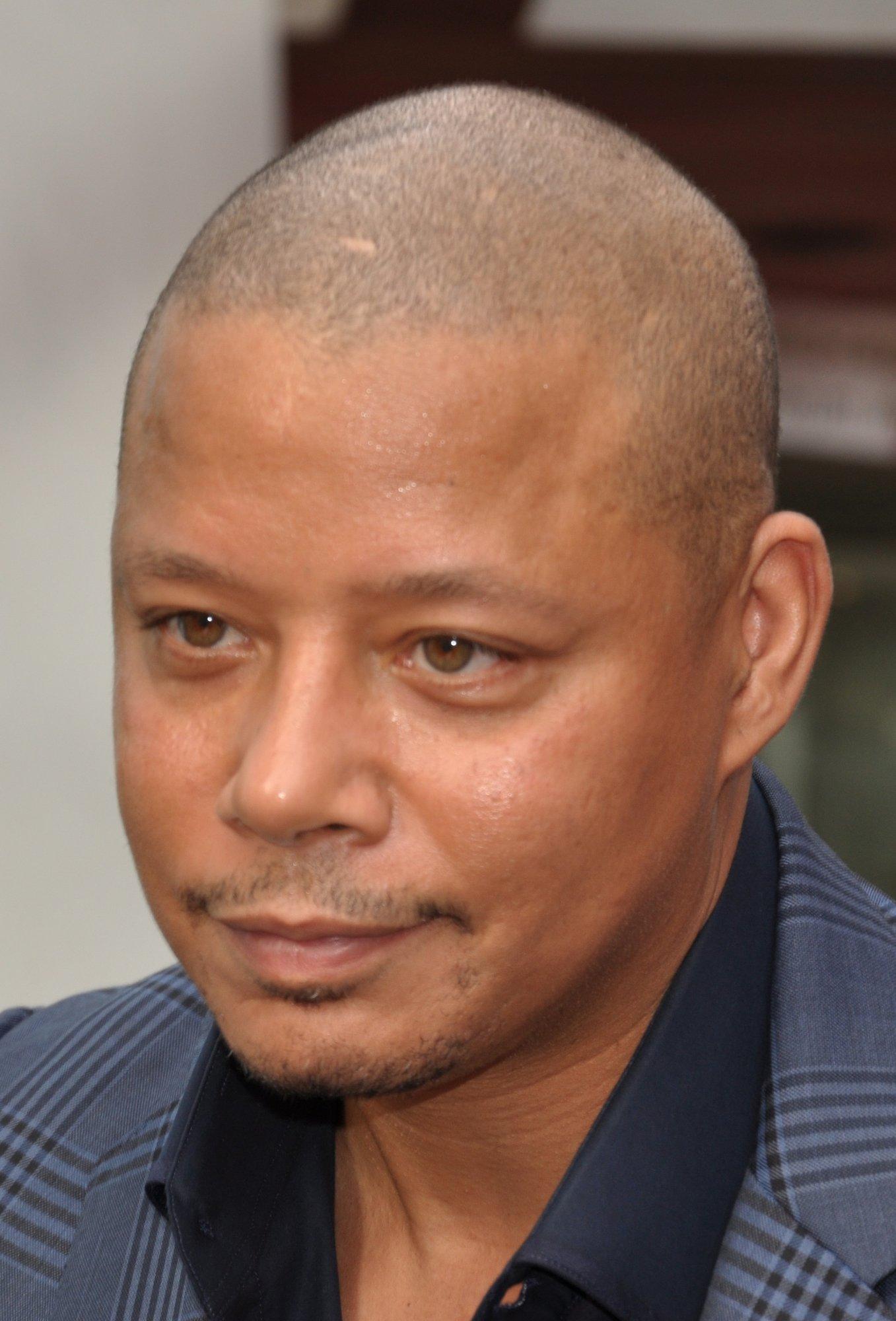
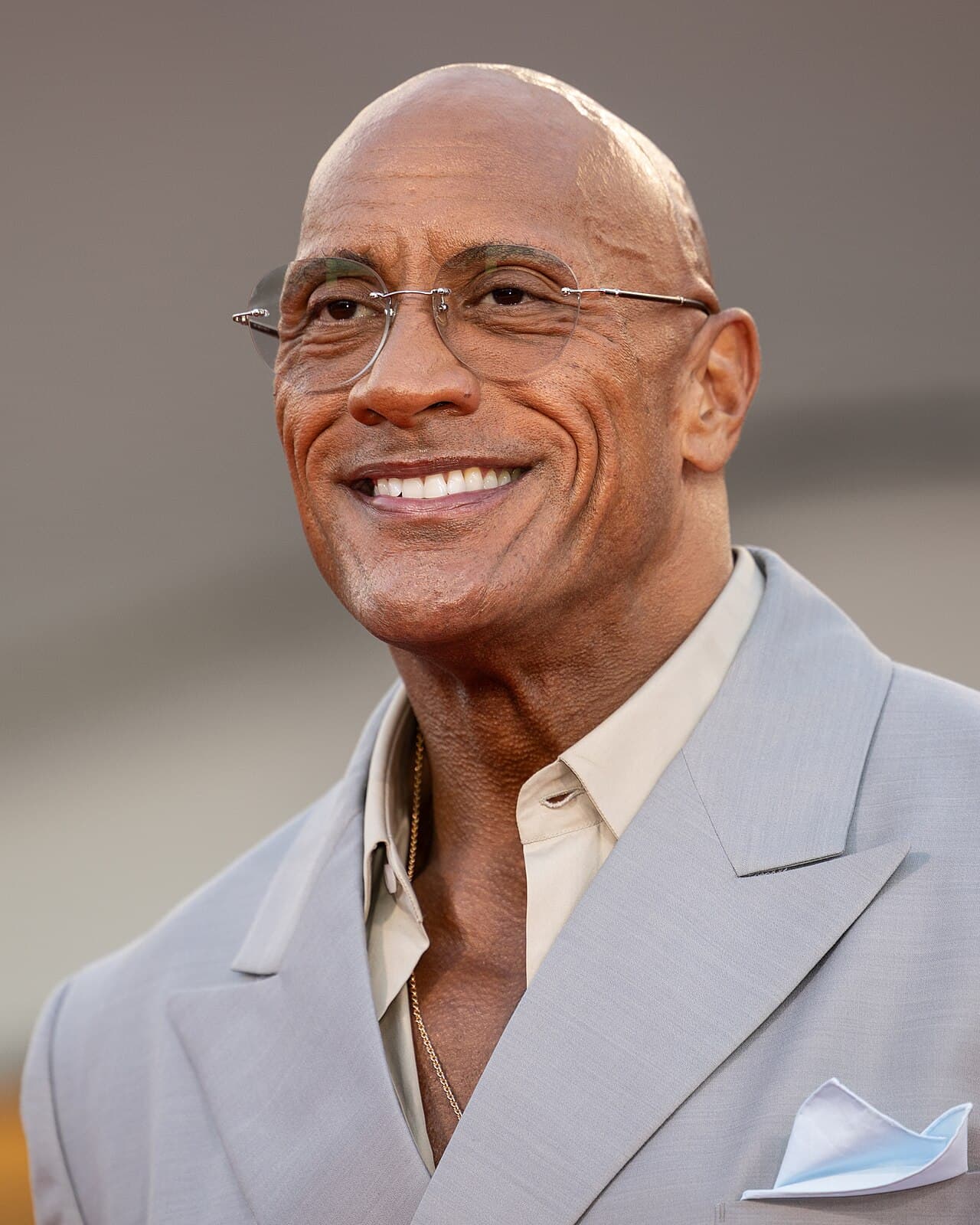
Terrence Howard.

Actor · Singer · Producer

Terrence Howard has built a career on force of presence: Oscar-nominated in Hustle & Flow, early Marvel-visible in Iron Man, then six seasons of imperial swagger as Lucious Lyon on Empire from 2015 to 2020. Even his detours into Broadway, music, hosting, and public theories carry the same signature—immediate, tactile charisma paired with a mind that wants to test reality on its own terms.

OBJECTIVE PERSONALITY CLASSIFICATIONFF-Se/Ti-CP/S(B) #1What does this mean?
PERSONALITY SYSTEMObjective Personality
LEAD FUNCTIONSe · Extroverted Sensing
SECOND SAVIOR FUNCTIONTi · Introverted Thinking
MBTI EQUIVALENTESTP
01 / BEHIND THE CLASSIFICATION

The personality behind the fame.

How does a recorded OPS classification like FF-Se/Ti-CP/S(B) #1 break down? Walk through nine coins and watch the proposed type take shape. These are deductions from the archived code, not independent evidence of typing accuracy.

Scroll below to see Terrence Howard take shape.

STARTING POINT512 possible OPS typesEach type combines core functions, an animal order, and sexual modalities.
THE FINISH LINEFF-Se/Ti-CP/S(B) #1One recorded classification, decoded from its components.
Terrence Howard’s HUMAN NEEDS 01—03
01
DECIDER OR OBSERVER?

Observer over Decider

Observers have more balanced Decider poles in the middle: Self (Di) and Tribe (De). Their own perspective and other people's perspectives tend to be easier to navigate. Things are the harder territory. Control (Oi) and Chaos (Oe) sit at the extremes, so disrupted plans, uncertainty, and a changing world can trigger the strongest reactions.

Howard’s public story keeps running into changing conditions he cannot fully control: a breakthrough in Hustle & Flow, early marquee status in Iron Man, a reported sequel pay-cut dispute and replacement, then a 2022 retirement announcement that did not stay retired for long. The friction here looks less like a simple popularity contest and more like a battle with circumstances, timing, and what the next opening actually is. That Observer stance can make him adaptive across film, TV, Broadway, and music. The cost is letting the next external shift become the whole problem to solve.
O
02
SELF OR TRIBE?

Di · Self over De · Tribe

Self (Di) is the stronger deciding pole. They check decisions against their own values or reasons first: what makes sense to me, what feels right to me? The strength is independent conviction; the recurring friction is the Tribe (De)—other people's standards, feedback, and expectations. As the portrait unfolds, notice how Self takes the lead.

Howard has said he looks for characters that “teach him about himself,” which is a telling standard for a career that keeps circling back to his own internal bar. He wrote or co-wrote all the songs on Shine Through It, described the album in his own terms, and has made major career calls publicly on his own authority, including declaring an ending before later returning to work. Self over Tribe does not mean solitary; it means the final vote starts inside. The strength is conviction. The growth cost is that a personal verdict can outrun shared expectations, verification, or buy-in.

Di
03
GATHER OR ORGANIZE?

Oe · Gather over Oi · Organize

Gather (Oe) leads with new information, experiences, and possibilities. Its strength is curiosity and adaptability; the recurring friction is narrowing the options and settling into what is already known. Another layer of the personality portrait comes into focus.

Howard’s résumé refuses to sit still. He moves from television biopics to Hustle & Flow, from Marvel to Broadway’s Cat on a Hot Tin Roof, from an album release to hosting PBS’s Independent Lens, then back to prestige television with Empire. Gather over Organize fits that appetite for fresh terrain and new angles rather than one fixed lane. The strength is range: he can keep finding another doorway when a previous chapter closes. The blind spot is selectivity. More options can energize a career while also making it harder to settle what the central throughline is supposed to be.

Oe
FIRST THREE COINSO + Di + Oe

These establish the preferred human needs in the OPS framework.

Terrence Howard’s FUNCTIONS 04—05
04
FEELING OR THINKING?

Thinking · T over Feeling · F

Thinking (T) evaluates decisions through reasons, logic, and what works—not a lack of emotion. Its strength is analytical consistency; Feeling (F) provides balance through values, meaning, and the human consequences of a decision. Combined with Self (Di), this forms the recorded Savior Ti.

Howard’s public fascination with engineering, his disputed educational claims, and especially “Terryology” show the recorded Thinking coin in unusually visible form. He did not merely float a vague idea; he tried to build a full explanatory system, publicly arguing that “1 × 1 = 2” and later challenging established mathematics on a major podcast. The strength in Ti is intellectual independence and a willingness to reason from first principles. The limit is equally obvious: an internally satisfying framework can become harder to correct when outside evidence, institutions, or experts refuse to follow the logic.

T → Ti
05
SENSING OR INTUITION?

Sensing · S over Intuition · N

Sensing (S) focuses on concrete details, observable reality, and lived experience. Intuition (N) balances it by looking for broader patterns, concepts, and implications. Combined with Gather (Oe), this gives the recorded Savior Se.

Howard’s career works best when the idea becomes physical. In Hustle & Flow he performed all of his character’s tracks; on Broadway he took on Brick in Cat on a Hot Tin Roof; on Empire he built Lucious Lyon through voice, posture, rhythm, and sheer scene-command. That is Sensing in a concrete register: what can be embodied, shown, heard, and landed right now. The strength is immediacy. He can make a role or performance feel touchable instead of theoretical. The blind spot is that a compelling present-tense display can overshadow the slower question of where the whole pattern is heading.

S → Se
THE TWO SAVIOR FUNCTIONSSe / Ti

Opposing functions: Ni and Fe.

Terrence Howard’s ANIMAL STACK 06—07
06
CONSUME OR BLAST?

Consume over Blast

Consume gathers information for internal processing; Blast organizes and communicates information. The recorded order is Consume → Play → Sleep → Blast. This comparison follows their positions in that stack.

Howard has said he chooses roles that teach him something, and his career often looks like an active search for more material to absorb before reducing it to one neat thesis. Consume coming before Blast fits a life that samples mediums, characters, and even technical ideas, from film and television to music and self-styled engineering concepts. The strength is breadth of intake; he keeps finding raw material. The tradeoff is clarity. Gathering another layer of experience can feel more natural than stopping to package the lesson in a form other people can immediately track.

C > B
07
PLAY OR SLEEP?

Play over Sleep

Play emphasizes external real-time engagement; Sleep emphasizes internal processing. The recorded stack places Play earlier.

Empire is a useful public example of Play coming before Sleep. Howard did not build Lucious Lyon in isolation and then unveil him from a cave; he worked in a highly interactive ensemble, carrying scenes through direct pressure, banter, and real-time response to other performers. The same outward engagement shows up across recurring collaborations like The Best Man franchise and in his visible ease on camera. The strength is live responsiveness. The growth cost is that momentum with other people can outrun slower internal consolidation, leaving less room to quietly sort what an experience actually means before the next exchange arrives.

P > S
Terrence Howard’s ANIMAL ORIENTATION 08—09
08
INFO OR ENERGY DOMINANT?

Energy over Info

Energy dominant means Play and Sleep are both in the top three: there is access to expending energy through engagement and conserving it through internal processing. Blast last leaves the information side uneven—Consume may gather far more than gets communicated.

This stack lands on Energy rather than Info because the middle of the life is not just intake or explanation; it also keeps cycling through engagement and private reset. Howard has sustained work across television, film, music, and stage, which suggests real stamina for both doing and recovering. But Blast sits last, and that missing balance matters. The recurring public pattern is not a lack of material; it is a surplus of material that can arrive more vividly than it arrives neatly organized. The cost is that audiences may get the force of the idea before they get the cleanest version of the point.

Energy
09
INTROVERSION OR EXTROVERSION?

Introversion over Extroversion

The last animal, Blast, determines this OPS coin: Play or Blast last means Introversion; Consume or Sleep last means Extroversion. This describes animal orientation, not sociability or shyness.

Howard can look larger than life in public and still land on the Introversion coin. In OPS, that does not mean shy; it means the least preferred task is the final outward packaging of conclusions. Blast is fourth, so broadcasting a settled, streamlined message comes later than taking things in, engaging, and processing. That helps explain why his interviews and public claims can be riveting, quotable, and hard to reduce to a simple shared framework all at once. The growth edge is not speaking more loudly. It is making the conclusion plainer before adding another layer of experience.

I
Sexual Modalities

The four sexual modalities.

OPS uses masculine/feminine sensory and extroverted-deciding distinctions as framework-specific terms, not gender categories. The four modalities are already included in the original 512 types. The recorded modality is FF · Tester.

MM KinestheticMasculine Sensory · Masculine De
MF AudioMasculine Sensory · Feminine De
FF RECORDED MODALITYTesterFeminine Sensory · Feminine De
FM VisualFeminine Sensory · Masculine De
ADDITIONAL LAYER · SOCIAL TYPE

The four social types.

Social types are an additional layer on top of the original Objective Personality classification, introduced later in OPS research. They describe two proposed social preference coins: Flex vs. Friends and Generalize vs. Specialize. The combination and priority of these preferences produce four social types. Terrence Howard's recorded social type is #1.

SOCIAL #1 RECORDED SOCIAL TYPE#1Flex · Generalize
SOCIAL #2 #2Generalize · Friends
SOCIAL #3 #3Specialize · Flex
SOCIAL #4 #4Friends · Specialize
COMPLETE RECORDED OPS TYPE · MODALITY INCLUDED + SOCIAL TYPEFF-Se/Ti-CP/S(B) #1

Se leads, Ti supports, and the animal stack is Consume → Play → Sleep → Blast.

THE FINISHED PORTRAIT · ALL NINE COINS REVEALED

Terrence Howard's complete function and animal stack

ConsumePlaySleepBlastfSemTifFemNi
FF-Se/Ti-CP/S(B) #1DOUBLE ACTIVATED · CONSUMEExplore the Interactive Coin Builder →
THE TERRENCE HOWARD LENS

Presence first, explanation later.

Empire made Howard easy to remember as sheer presence: the voice, the stare, the way Lucious Lyon could turn a room into a contest. But the broader public record is busier than that image. He has moved through film, television, Broadway, music, and public technical claims, chasing what feels immediate, concrete, and worth testing for himself.

His recorded saviors, Se and Ti, sharpen that impression. Se gives him a tactile, undeniable screen presence; Ti pushes him to form his own internal explanation instead of borrowing a safer one. That pairing can create memorable performances and unusual conviction. Its limit is that immediacy plus private logic can resist outside correction when the wider context matters more than the first persuasive impression.

As an Observer and Double Decider, Howard’s main strain centers on uncertain circumstances and control rather than on constant people drama. That pairing can steady the social side while leaving the changing world as the louder human-needs imbalance. The neglected function opposite his lead savior is Ni, the narrowing lens that asks what these roles, claims, and pivots add up to over time.

Consume → Play → Sleep → Blast puts the last pressure on packaging conclusions for other people. Blast last does not erase the charisma; it suggests the clean summary arrives after experience, interaction, and private processing. A useful balance would be to follow the next role, interview, or big theory with one plain, disciplined statement of the core point so the force stays intact and the message travels farther.

Want to understand the Savior and Demon states behind these nine coins? Explore the complete explanation, visual examples, and typing principles on our Methodology page →

02 / KEEP EXPLORING

Different faces. Familiar patterns.

Explore other celebrities with related recorded OPS classifications. Related functions are not necessarily exact type matches.

Discover Type Twins
YOUR TURN

Curious about your own type?

Discover how your own personality might be classified through Objective Personality.

Get objectively typed
Terrence Howard's Personality Type & OPS Profile | The Personality Atlas