The Personality Atlas
THE CELEBRITY PERSONALITY ARCHIVE / LAW & PUBLIC SERVICE

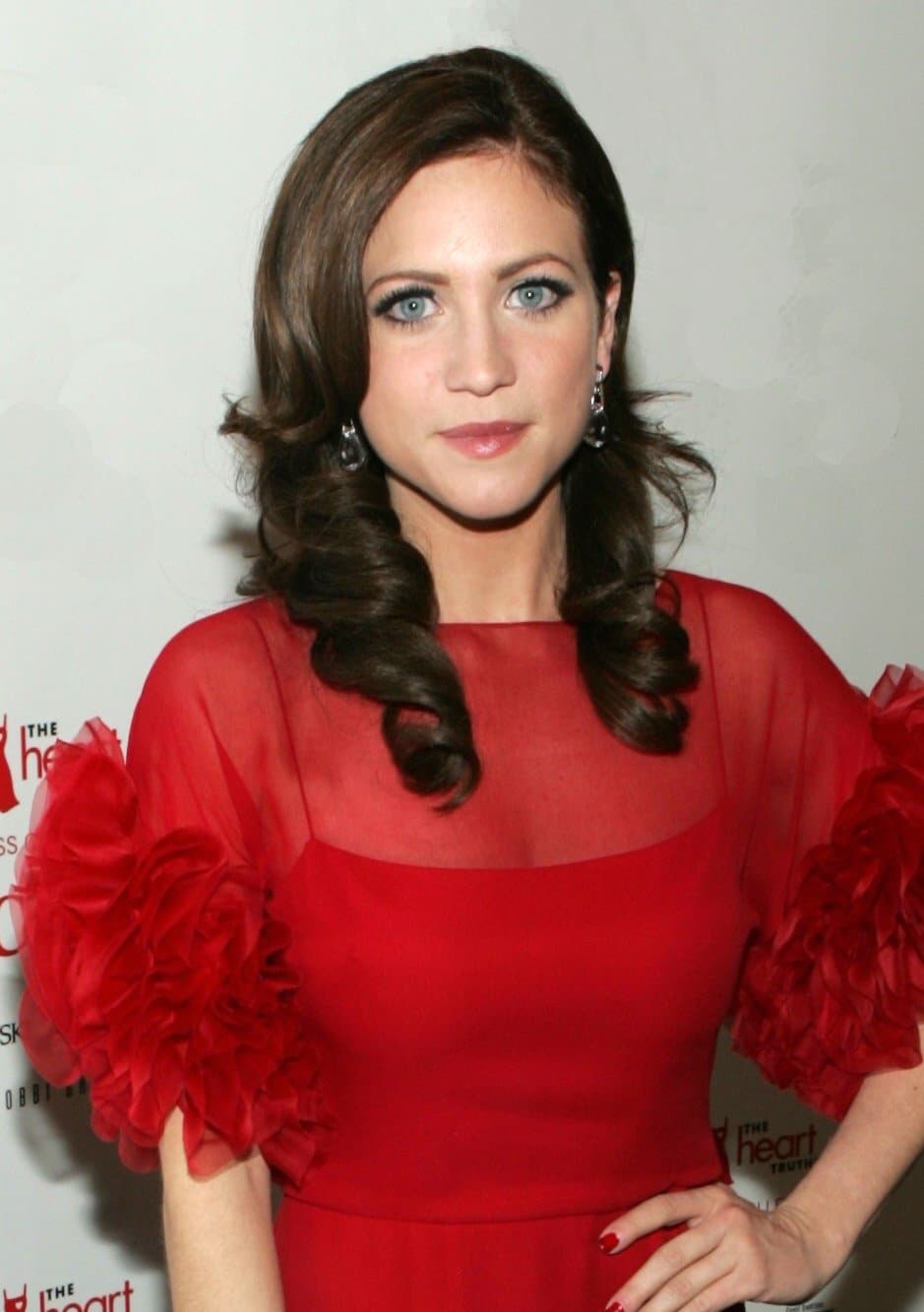
Sonia Sotomayer.

Associate Justice · Jurist

From a Bronx housing project to Princeton, Yale, the Manhattan district attorney’s office and the Supreme Court, Sonia Sotomayor built one of the most disciplined public careers in American law. Her reputation combines exacting preparation, plainspoken courtroom force and a willingness to put human consequences directly into legal argument.

OBJECTIVE PERSONALITY CLASSIFICATIONMM-Si/Fe-BP/S(C)What does this mean?
PERSONALITY SYSTEMObjective Personality
LEAD FUNCTIONSi · Introverted Sensing
SECOND SAVIOR FUNCTIONFe · Extroverted Feeling
MBTI EQUIVALENTISFJ
01 / BEHIND THE CLASSIFICATION

The personality behind the fame.

How does a recorded OPS classification like MM-Si/Fe-BP/S(C) break down? Walk through nine coins and watch the proposed type take shape. These are deductions from the archived code, not independent evidence of typing accuracy.

Scroll below to see Sonia Sotomayer take shape.

STARTING POINT512 possible OPS typesEach type combines core functions, an animal order, and sexual modalities.
THE FINISH LINEMM-Si/Fe-BP/S(C)One recorded classification, decoded from its components.
Sonia Sotomayer’s HUMAN NEEDS 01—03
01
DECIDER OR OBSERVER?

Observer over Decider

Observers have more balanced Decider poles in the middle: Self (Di) and Tribe (De). Their own perspective and other people's perspectives tend to be easier to navigate. Things are the harder territory. Control (Oi) and Chaos (Oe) sit at the extremes, so disrupted plans, uncertainty, and a changing world can trigger the strongest reactions.

Sotomayor’s rise was never a straight line guaranteed by approval. She lost her father at nine, managed type 1 diabetes from childhood, felt initially overwhelmed at Princeton, then kept climbing through Yale, the Manhattan DA’s office, private practice and the federal bench. That pattern fits an Observer problem: the fight is with conditions, barriers and the next practical obstacle. Her strength is steadiness inside difficult realities. The blind spot is that relentless adaptation can start to look like the answer to everything, even when a situation also demands a fresh rethink instead of more endurance.

O
02
SELF OR TRIBE?

De · Tribe over Di · Self

Tribe (De) is the stronger deciding pole. They check decisions against people, shared standards, and what works for the group: what do we need, what will others think? The strength is coordination and responsiveness; the recurring friction is the Self (Di)—knowing and defending their own position. As the portrait unfolds, notice how Tribe takes the lead.

At Yale, Sotomayor formally challenged a law-firm recruiting process after lawyers suggested she was there because of affirmative action, and in public service she became a stickler on New York City campaign-finance rules, helping fine or reprimand major campaigns. That Tribe-first pattern keeps attention on shared standards, legitimacy and what the group can defend in public. The strength is social accountability: she can force institutions to answer for their rules. The cost is pressure to carry other people’s expectations, whether from community, profession or the courtroom’s demand for fairness.

De
03
GATHER OR ORGANIZE?

Oi · Organize over Oe · Gather

Organize (Oi) leads with refining, preserving, and structuring what is already known. Its strength is preparation and clear direction; the recurring friction is unexpected change that disrupts the plan. Another layer of the personality portrait comes into focus.

Order shows up everywhere in Sotomayor’s record: valedictorian honors, near-perfect attendance, long library hours at Princeton, a 178-page senior thesis, and later more than 3,000 appeals heard with about 380 opinions on the Second Circuit. Organize-first tends to trust preparation, sequence and a settled framework over improvising from endless new options. That is a major professional advantage for a judge who has to move cases on a tight schedule. The growth cost is rigidity: when the structure works, it can become tempting to treat the next problem as another filing system instead of something that may need a new route.

Oi
FIRST THREE COINSO + De + Oi

These establish the preferred human needs in the OPS framework.

Sonia Sotomayer’s FUNCTIONS 04—05
04
FEELING OR THINKING?

Feeling · F over Thinking · T

Feeling (F) evaluates decisions through values, meaning, and what matters—not simply through emotion. Its strength is a clear sense of significance; Thinking (T) provides balance through impersonal reasons, consistency, and evidence. Combined with Tribe (De), this forms the recorded Savior Fe.

Sotomayor’s public record repeatedly turns toward human stakes. At Princeton she pushed for Latino faculty and Latin American studies; on the Supreme Court she has been especially identified with criminal-defendant rights, criminal-justice reform and dissents on race and ethnic identity. Feeling here does not mean softness. It means evaluating institutions through their effect on people and shared values. The strength is moral clarity that gives legal arguments social weight. The blind spot is that value-laden language can intensify resistance from opponents who hear principle as partiality, even when the underlying legal reasoning is carefully built.

F → Fe
05
SENSING OR INTUITION?

Sensing · S over Intuition · N

Sensing (S) focuses on concrete details, observable reality, and lived experience. Intuition (N) balances it by looking for broader patterns, concepts, and implications. Combined with Organize (Oi), this gives the recorded Savior Si.

As a prosecutor, Sotomayor gained a reputation for effective cross-examination and for simplifying cases so juries could follow the facts. As a judge, colleagues noted her narrow, “just the facts” approach, and in the baseball-strike case she reminded lawyers that growing up in the South Bronx meant knowing the game intimately. Sensing keeps perception tied to what happened, what is documented and what can be clearly shown. That makes her unusually concrete and credible. The tradeoff is that detail can feel so authoritative that broader alternative patterns or speculative angles receive less early room.

S → Si
THE TWO SAVIOR FUNCTIONSSi / Fe

Opposing functions: Ne and Ti.

Sonia Sotomayer’s ANIMAL STACK 06—07
06
CONSUME OR BLAST?

Blast over Consume

Consume gathers information for internal processing; Blast organizes and communicates information. The recorded order is Blast → Play → Sleep → Consume. This comparison follows their positions in that stack.

Sotomayor’s career is unusually public-facing for someone with such a dense factual style. She taught law, wrote hundreds of opinions, and earned a courtroom reputation for being plain-spoken and demanding. That points to Blast over Consume: an earlier drive to organize what is already known and make it usable for others, rather than endlessly gather one more angle. The strength is decisiveness and clarity under pressure. The cost is that strong conclusions can outrun fresh intake, especially when a new context might reward more exploration before the message hardens.

B > C
07
PLAY OR SLEEP?

Play over Sleep

Play emphasizes external real-time engagement; Sleep emphasizes internal processing. The recorded stack places Play earlier.

After that outward explanatory push, Sotomayor’s public life looks more interactive than withdrawn. She worked across boards, argued cases in court, cross-examined witnesses, and took visible roles in admissions outreach and student governance. Play arriving before Sleep suggests faster movement into live engagement with other people before retreating to prolonged private processing. The advantage is responsiveness: she can test, challenge and sharpen ideas in real time. The limit is recovery and internal recalibration. A person built for action and exchange can still under-budget the quieter space needed to reassess without an audience or deadline.

P > S
Sonia Sotomayer’s ANIMAL ORIENTATION 08—09
08
INFO OR ENERGY DOMINANT?

Energy over Info

Energy dominant means Play and Sleep are both in the top three: there is access to expending energy through engagement and conserving it through internal processing. Consume last leaves the information side uneven—Blast may broadcast more than gets taken in.

Sotomayor’s type lands on the Energy side because outward engagement and internal consolidation both appear before the final information-gathering step. You can see that in the sheer workload: assistant district attorney, commercial litigator, board member, professor, appellate judge and Supreme Court justice, all with a reputation for preparation and stamina. The strength is range without obvious drift; she can work the room, then digest the case. The missing balance is last Consume. Communicating, deciding and participating can stay so active that deliberately seeking unfamiliar input becomes the part most likely to get postponed until after the position is already set.

Energy
09
INTROVERSION OR EXTROVERSION?

Extroversion over Introversion

The last animal, Consume, determines this OPS coin: Play or Blast last means Introversion; Consume or Sleep last means Extroversion. This describes animal orientation, not sociability or shyness.

OPS Extroversion here does not mean cocktail-party behavior; it means the final bottleneck is Consume, not the outward-facing animals. Sotomayor can look highly disciplined and still fit Extroversion because the system moves toward explaining, engaging and processing before circling back to gather more. Her public career supports that pattern: she repeatedly steps into institutions, rulings and disputes where action cannot wait for total certainty. The benefit is momentum. The growth edge is reserving time to take in a genuinely new frame before a well-earned conclusion becomes the only frame left in the room.

E
Sexual Modalities

The four sexual modalities.

OPS uses masculine/feminine sensory and extroverted-deciding distinctions as framework-specific terms, not gender categories. The four modalities are already included in the original 512 types. The recorded modality is MM · Kinesthetic.

MM RECORDED MODALITYKinestheticMasculine Sensory · Masculine De
MF AudioMasculine Sensory · Feminine De
FF TesterFeminine Sensory · Feminine De
FM VisualFeminine Sensory · Masculine De
COMPLETE RECORDED OPS TYPE · MODALITY INCLUDEDMM-Si/Fe-BP/S(C)

Si leads, Fe supports, and the animal stack is Blast → Play → Sleep → Consume.

THE FINISHED PORTRAIT · ALL NINE COINS REVEALED

Sonia Sotomayer's complete function and animal stack

BlastPlaySleepConsumemSimFefTifNe
MM-Si/Fe-BP/S(C)DOUBLE ACTIVATED · BLASTExplore the Interactive Coin Builder →
THE SONIA SOTOMAYER LENS

The record comes first.

The public image is the forceful justice with the memorable dissent, but one of the clearest scenes comes earlier: the 1995 injunction that ended the baseball strike. Sotomayor’s line about growing up in the South Bronx and knowing baseball captured the mix instantly—deep factual command, no patience for posturing, and a person whose authority sounds lived-in rather than theatrical.

Si and Fe give that style its backbone. Si leans on record, precedent, preparation and what can be demonstrated; Fe keeps turning law toward shared fairness, institutional standards and the people affected by those standards. That pairing makes her formidable in opinions and public service alike. Its limit is that settled facts plus moral urgency can harden quickly, leaving less room for newer, stranger angles.

As an Observer and Double Decider, Sotomayor’s central imbalance is not primarily people drama but the pressure of circumstances, control and uncertainty. Even with a career spent inside institutions, the deeper recurring problem is how to stabilize the facts and move the situation. The neglected function is Ne, opposite her lead Si: opening wider alternatives before the record is fully locked into one track.

Blast → Play → Sleep → Consume shows why she can look both commanding and tireless. She leads by stating the case, then engaging it with others, then processing privately; new intake comes last. That final imbalance is not a character flaw, just a bottleneck. The useful correction is simple and concrete: preserve the rigor, but deliberately schedule more listening, fresh briefs and exploratory questions before the position settles.

Want to understand the Savior and Demon states behind these nine coins? Explore the complete explanation, visual examples, and typing principles on our Methodology page →

02 / KEEP EXPLORING

Different faces. Familiar patterns.

Explore other celebrities with related recorded OPS classifications. Related functions are not necessarily exact type matches.

Discover Type Twins
YOUR TURN

Curious about your own type?

Discover how your own personality might be classified through Objective Personality.

Get objectively typed
Sonia Sotomayer's Personality Type & OPS Profile | The Personality Atlas