The Personality Atlas
THE CELEBRITY PERSONALITY ARCHIVE / FILM & VOICE

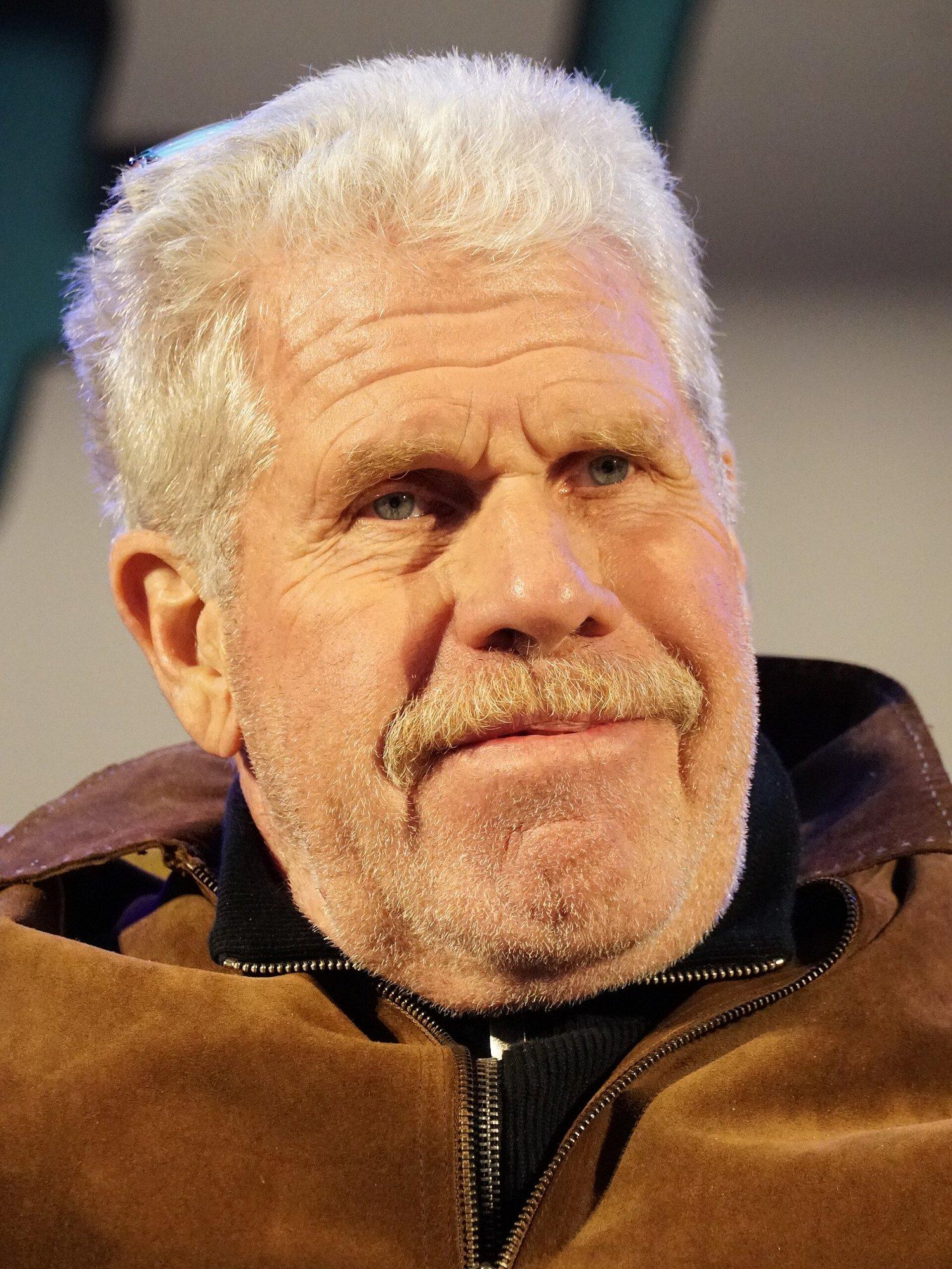
Ron Perlman.

Actor · Voice Actor · Narrator

Ron Perlman built a career out of turning intimidating surfaces into strangely human presence: Vincent under prosthetics in Beauty and the Beast, Hellboy under pounds of red makeup, Clay Morrow's menace on Sons of Anarchy, and the unmistakable voice behind Fallout's "War. War never changes." The public impression is granite-tough, but the through-line is more specific: a veteran actor repeatedly drawn to outsiders, heavy physical worlds, and characters who need conviction more than polish.

OBJECTIVE PERSONALITY CLASSIFICATIONMM-Fi/Se-CS/B(P)What does this mean?
PERSONALITY SYSTEMObjective Personality
LEAD FUNCTIONFi · Introverted Feeling
SECOND SAVIOR FUNCTIONSe · Extroverted Sensing
MBTI EQUIVALENTISFP
01 / BEHIND THE CLASSIFICATION

The personality behind the fame.

How does a recorded OPS classification like MM-Fi/Se-CS/B(P) break down? Walk through nine coins and watch the proposed type take shape. These are deductions from the archived code, not independent evidence of typing accuracy.

Scroll below to see Ron Perlman take shape.

STARTING POINT512 possible OPS typesEach type combines core functions, an animal order, and sexual modalities.
THE FINISH LINEMM-Fi/Se-CS/B(P)One recorded classification, decoded from its components.
Ron Perlman’s HUMAN NEEDS 01—03
01
DECIDER OR OBSERVER?

Decider over Observer

Deciders have more balanced Observer poles in the middle: Control (Oi) and Chaos (Oe). Organizing what's known and handling what's new tend to feel more manageable. People are the harder territory. Self (Di) and Tribe (De) sit at the extremes, so judgment, rejection, approval, and conflict can trigger the strongest reactions.

Perlman's most publicly visible friction often lands in the human arena, not the technical one. He has handled creature makeup, genre pivots, voice booths, and decades of changing entertainment formats, but his sharpest public heat shows up around people, loyalty, and who is being treated how. His support for the 2023 SAG-AFTRA and WGA strikes, especially his criticism of delaying negotiations until workers lost their homes, illustrates that emphasis. The strength is forceful conviction in human conflicts. The blind spot is giving interpersonal battles so much weight that strategy or impersonal constraints can look secondary.

D
02
SELF OR TRIBE?

Di · Self over De · Tribe

Self (Di) is the stronger deciding pole. They check decisions against their own values or reasons first: what makes sense to me, what feels right to me? The strength is independent conviction; the recurring friction is the Tribe (De)—other people's standards, feedback, and expectations. As the portrait unfolds, notice how Self takes the lead.

Perlman's career has never looked optimized for broad, conventional approval. He kept choosing parts like Quest for Fire, The Name of the Rose, Beauty and the Beast, Hellboy, and a long run of scarred, odd, or monstrous figures because they suited an inner standard better than a market-tested image. That Self-over-Tribe stance gives the work a strong owner; even supporting roles feel chosen instead of assigned. The cost is familiar: when your own read feels solid, outside feedback can arrive less as guidance than as pressure to become less specific.

Di
03
GATHER OR ORGANIZE?

Oe · Gather over Oi · Organize

Gather (Oe) leads with new information, experiences, and possibilities. Its strength is curiosity and adaptability; the recurring friction is narrowing the options and settling into what is already known. Another layer of the personality portrait comes into focus.

Few actors move this comfortably between French fantasy, network television, comic-book spectacle, prestige crime drama, animation, documentaries, and video games. Perlman's Guillermo del Toro collaborations alone jump from Cronos and Blade II to Pacific Rim, Nightmare Alley, and Pinocchio. That Gather-first pattern gives him unusual adaptability: another medium or another bizarre world looks like an opening, not a disruption. The strength is range without panic. The blind spot is that fresh options keep appearing, and possibility can multiply faster than any single long-form plan is willing to narrow them down.

Oe
FIRST THREE COINSD + Di + Oe

These establish the preferred human needs in the OPS framework.

Ron Perlman’s FUNCTIONS 04—05
04
FEELING OR THINKING?

Feeling · F over Thinking · T

Feeling (F) evaluates decisions through values, meaning, and what matters—not simply through emotion. Its strength is a clear sense of significance; Thinking (T) provides balance through impersonal reasons, consistency, and evidence. Combined with Self (Di), this forms the recorded Savior Fi.

Perlman once said that being overweight as a young kid and struggling with low self-image drew him toward roles involving "these sorts of deformed people who are very endearing." That is Fi in unusually plain public language: a private value center deciding what deserves sympathy and protection. It helps explain why his monsters rarely feel like gimmicks. The strength is emotional authorship; he brings a personal standard into the part. The void is that sincere inner conviction does not automatically translate into a shared explanation or satisfy people who need the reasoning made more explicit.

F → Fi
05
SENSING OR INTUITION?

Sensing · S over Intuition · N

Sensing (S) focuses on concrete details, observable reality, and lived experience. Intuition (N) balances it by looking for broader patterns, concepts, and implications. Combined with Gather (Oe), this gives the recorded Savior Se.

Hellboy's filed horns, Vincent's leonine prosthetics, and even Perlman's voice roles all depend on tangible presence. Se shows up in the way he makes costumes, makeup, line delivery, and sheer physical texture feel inhabited instead of symbolic. He does not just suggest a creature; he gives it weight, timing, and impact. That is a real advantage in fantasy, action, and voice performance alike. The growth cost is that what is immediate and forceful can dominate so completely that broader long-range framing or abstraction has to be added deliberately rather than assumed.

S → Se
THE TWO SAVIOR FUNCTIONSFi / Se

Opposing functions: Te and Ni.

Ron Perlman’s ANIMAL STACK 06—07
06
CONSUME OR BLAST?

Consume over Blast

Consume gathers information for internal processing; Blast organizes and communicates information. The recorded order is Consume → Sleep → Blast → Play. This comparison follows their positions in that stack.

Before he was the definitive Hellboy, Perlman had already spent years accumulating worlds: Quest for Fire, The Name of the Rose, Beauty and the Beast, supporting film heavies, and a long shelf of animation and game voices. Consume over Blast fits that slow stockpiling. He builds authority by taking in material, textures, and roles before reducing them to a slogan. The strength is depth; when he speaks, there is mileage behind it. The blind spot is that gathering one more project or one more angle can postpone the cleaner public takeaway that Blast would rather state sooner.

C > B
07
PLAY OR SLEEP?

Sleep over Play

Play emphasizes external real-time engagement; Sleep emphasizes internal processing. The recorded stack places Sleep earlier.

Perlman's public image is loud, but the meaning behind it often looks privately consolidated first. He publicly connected his childhood self-image to the outsider roles he gravitates toward, which gives a concrete glimpse of Sleep over Play. After taking in material, he seems to turn it inward and settle what it means before sending it back out. The strength is coherence: Vincent, Hellboy, and many of the voice performances feel linked by an inner through-line. The cost is spontaneity. If the interpretation is already formed, live back-and-forth can feel like interruption rather than discovery.

S > P
Ron Perlman’s ANIMAL ORIENTATION 08—09
08
INFO OR ENERGY DOMINANT?

Info over Energy

Info dominant means Consume and Blast are both in the top three: gathering and communicating information are more balanced. Play last leaves the energy side uneven—Sleep can conserve energy without enough spontaneous outward engagement.

Perlman's stack reads as Info-dominant, and his career makes that easy to picture. He absorbs material, processes it, and then delivers it in memorable form: a Golden Globe-winning television lead, the gravel certainty of Fallout narration, a gallery of animated villains, or documentary voice-over work. The advantage is transmission; he can make strange worlds understandable and authoritative. The missing balance comes from Play last. Collaboration is obviously possible—his long Guillermo del Toro partnership proves that—but spontaneous exchange is less naturally prioritized than preparation and delivery.

Info
09
INTROVERSION OR EXTROVERSION?

Introversion over Extroversion

The last animal, Play, determines this OPS coin: Play or Blast last means Introversion; Consume or Sleep last means Extroversion. This describes animal orientation, not sociability or shyness.

Perlman's imposing screen presence does not cancel the Introversion coin. In this system, Play last makes the orientation Introversion, which is about where the animal pressure lands, not whether someone seems sociable or commanding in public. He can dominate a frame, carry makeup-heavy roles, and speak bluntly about politics or labor issues while still preferring to take in, process, and then state the position. That is different from discovering the point in open-ended interaction. The growth edge is to invite a little more unrehearsed collaboration before the conclusion fully hardens.

I
Sexual Modalities

The four sexual modalities.

OPS uses masculine/feminine sensory and extroverted-deciding distinctions as framework-specific terms, not gender categories. The four modalities are already included in the original 512 types. The recorded modality is MM · Kinesthetic.

MM RECORDED MODALITYKinestheticMasculine Sensory · Masculine De
MF AudioMasculine Sensory · Feminine De
FF TesterFeminine Sensory · Feminine De
FM VisualFeminine Sensory · Masculine De
COMPLETE RECORDED OPS TYPE · MODALITY INCLUDEDMM-Fi/Se-CS/B(P)

Fi leads, Se supports, and the animal stack is Consume → Sleep → Blast → Play.

THE FINISHED PORTRAIT · ALL NINE COINS REVEALED

Ron Perlman's complete function and animal stack

ConsumeSleepBlastPlayfFimSefNimTe
MM-Fi/Se-CS/B(P)DOUBLE ACTIVATED · SLEEPExplore the Interactive Coin Builder →
THE RON PERLMAN LENS

The mask was never the whole story.

Hellboy's sawed-off horns, Vincent's leonine face, and the voice that opens Fallout can make Ron Perlman read as pure intimidation. The public record is rougher and more interesting: he nearly gave up acting before The Name of the Rose, then built a career making outsiders feel bruised, stubborn, and unexpectedly human.

His Fi/Se pairing gives him an unusual mix of personal conviction and tangible presence. His comment about identifying with endearing "deformed" characters helps explain why Beauty and the Beast and Hellboy never play like costume exercises. The strength is emotional authorship embodied in something concrete. The limit is that what feels true and hits hard can outrun wider calibration or shared criteria.

As a Decider and Double Observer, Perlman is pushed harder by people problems than by missing information. The range across film, television, animation, and games shows the Double Observer flexibility, but the imbalance still lands in human needs: loyalty, disrespect, and who gets treated fairly. Neglected Te, opposite lead Fi, asks for clearer external standards that others can test, not just conviction they can feel.

Consume → Sleep → Blast → Play fits the pattern: take in the material, process it privately, then deliver it with force before spontaneous back-and-forth becomes the priority. With Play last, the Introversion issue is not shyness but less appetite for discovering the point mid-exchange. Keep the conviction; invite collaborators in earlier, while the message is still adjustable.

Want to understand the Savior and Demon states behind these nine coins? Explore the complete explanation, visual examples, and typing principles on our Methodology page →

02 / KEEP EXPLORING

Different faces. Familiar patterns.

Explore other celebrities with related recorded OPS classifications. Related functions are not necessarily exact type matches.

Discover Type Twins
YOUR TURN

Curious about your own type?

Discover how your own personality might be classified through Objective Personality.

Get objectively typed
Ron Perlman's Personality Type & OPS Profile | The Personality Atlas