The Personality Atlas
THE CELEBRITY PERSONALITY ARCHIVE / FILM & TELEVISION

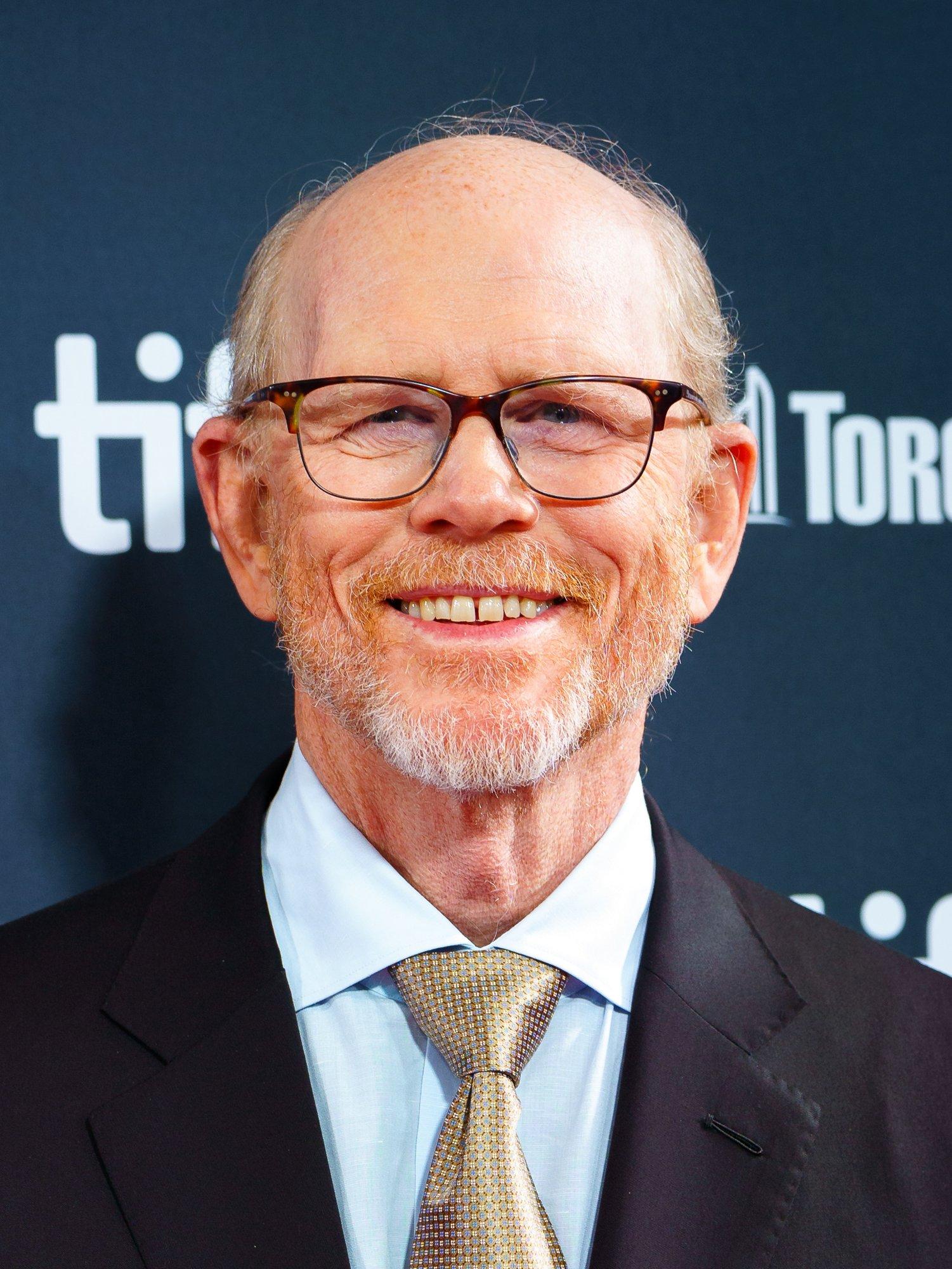
Ron Howard.

Actor · Director · Producer

For millions, Ron Howard first arrived as the clean-cut American son: Opie Taylor on The Andy Griffith Show, then Richie Cunningham on Happy Days. The more interesting public story is what he did with that trust. Instead of living off television nostalgia, he turned early on-set experience into one of Hollywood’s steadiest directing careers, moving from studio comedies to Apollo 13, A Beautiful Mind, documentaries, and even the high-pressure midstream handoff of Solo: A Star Wars Story.

OBJECTIVE PERSONALITY CLASSIFICATIONMF-Fi/Se-CP/B(S)What does this mean?
PERSONALITY SYSTEMObjective Personality
LEAD FUNCTIONFi · Introverted Feeling
SECOND SAVIOR FUNCTIONSe · Extroverted Sensing
MBTI EQUIVALENTISFP
01 / BEHIND THE CLASSIFICATION

The personality behind the fame.

How does a recorded OPS classification like MF-Fi/Se-CP/B(S) break down? Walk through nine coins and watch the proposed type take shape. These are deductions from the archived code, not independent evidence of typing accuracy.

Scroll below to see Ron Howard take shape.

STARTING POINT512 possible OPS typesEach type combines core functions, an animal order, and sexual modalities.
THE FINISH LINEMF-Fi/Se-CP/B(S)One recorded classification, decoded from its components.
Ron Howard’s HUMAN NEEDS 01—03
01
DECIDER OR OBSERVER?

Decider over Observer

Deciders have more balanced Observer poles in the middle: Control (Oi) and Chaos (Oe). Organizing what's known and handling what's new tend to feel more manageable. People are the harder territory. Self (Di) and Tribe (De) sit at the extremes, so judgment, rejection, approval, and conflict can trigger the strongest reactions.

Ron Howard’s public image was built on being instantly likable: Opie on The Andy Griffith Show, then Richie Cunningham on Happy Days. The more revealing pressure was not chaotic circumstances so much as what those roles made other people expect from him. A Decider life keeps running into reputation, approval and the question of who you are to other people. His strength was carrying that goodwill into a second career instead of rebelling against it. The blind spot is that a trusted image can become its own social obligation, making reinvention slower and more diplomatic than it needs to be.
D
02
SELF OR TRIBE?

Di · Self over De · Tribe

Self (Di) is the stronger deciding pole. They check decisions against their own values or reasons first: what makes sense to me, what feels right to me? The strength is independent conviction; the recurring friction is the Tribe (De)—other people's standards, feedback, and expectations. As the portrait unfolds, notice how Self takes the lead.

Howard knew from a young age that directing might be where he ultimately belonged, and he left Happy Days in 1980 to pursue it. That move reads Self over Tribe more than crowd-following ambition. America already liked him where he was; he still chose the lane that fit his own standard. The advantage is ownership. His directing career does not feel borrowed from somebody else’s plan. The cost is that an internally right decision can still confuse collaborators, studios or fans who preferred the safer version of Ron Howard they already understood.

Di
03
GATHER OR ORGANIZE?

Oe · Gather over Oi · Organize

Gather (Oe) leads with new information, experiences, and possibilities. Its strength is curiosity and adaptability; the recurring friction is narrowing the options and settling into what is already known. Another layer of the personality portrait comes into focus.

Look at the spread of the work: child sitcom star, low-budget car-chase debut, Splash, Apollo 13, A Beautiful Mind, Frost/Nixon, Beatles and Pavarotti documentaries, then a Star Wars rescue job. Gather over Organize fits a career that keeps widening the field rather than protecting one fixed formula. Howard’s strength is versatility under changing industry conditions; he can enter a new genre without acting offended that it is new. The tradeoff is selectivity. A person this responsive to emerging possibilities still has to decide which promising road deserves years of attention instead of just proving he could handle it.

Oe
FIRST THREE COINSD + Di + Oe

These establish the preferred human needs in the OPS framework.

Ron Howard’s FUNCTIONS 04—05
04
FEELING OR THINKING?

Feeling · F over Thinking · T

Feeling (F) evaluates decisions through values, meaning, and what matters—not simply through emotion. Its strength is a clear sense of significance; Thinking (T) provides balance through impersonal reasons, consistency, and evidence. Combined with Self (Di), this forms the recorded Savior Fi.

Howard’s Fi shows up less as grand confession than as the kinds of stories he repeatedly chooses to center. Apollo 13, A Beautiful Mind, Cinderella Man and Thirteen Lives all hinge on what specific people are enduring, not just on the mechanics around them. That values-first lens is a strength: even large productions stay emotionally legible. You can follow the human stake, not merely the plot architecture. The limit is that sincere human framing does not automatically answer every colder question about interpretation. Hillbilly Elegy’s harsh reception is a reminder that empathy in approach and consensus about a story are not the same thing.

F → Fi
05
SENSING OR INTUITION?

Sensing · S over Intuition · N

Sensing (S) focuses on concrete details, observable reality, and lived experience. Intuition (N) balances it by looking for broader patterns, concepts, and implications. Combined with Gather (Oe), this gives the recorded Savior Se.

Se suits Howard’s unusual ability to make a world feel physically present. American Graffiti was praised for capturing exactly how a cultural instant felt; Apollo 13 was admired for clarity and technical detail; Frost/Nixon works because conversation is staged like a tangible contest instead of an abstract debate. That is Se at its best: reality you can see, hear and track in real time. The weakness is not lack of imagination, but the temptation to trust vivid execution as enough. A beautifully rendered moment still needs a larger interpretive throughline if it wants to linger as more than expert reconstruction.

S → Se
THE TWO SAVIOR FUNCTIONSFi / Se

Opposing functions: Te and Ni.

Ron Howard’s ANIMAL STACK 06—07
06
CONSUME OR BLAST?

Consume over Blast

Consume gathers information for internal processing; Blast organizes and communicates information. The recorded order is Consume → Play → Blast → Sleep. This comparison follows their positions in that stack.

Between Consume and Blast, Howard looks more like the craftsman who absorbs first. He spent childhood on sets, was tutored around studio work, knew early he wanted to direct, and later moved into documentaries that depend on taking in material before shaping it. The strength of Consume is obvious: he rarely comes off as bluffing expertise he has not earned. His films usually feel studied. The downside is quieter. More research, more respect for the material and one more pass at understanding can delay or soften the sharper declarative edge that a project sometimes needs from its director.

C > B
07
PLAY OR SLEEP?

Play over Sleep

Play emphasizes external real-time engagement; Sleep emphasizes internal processing. The recorded stack places Play earlier.

Play gets the edge over Sleep. You can see it in the breadth of collaborations: his long-running partnership with Brian Grazer at Imagine, ensemble-heavy productions, narrating and executive-producing Arrested Development, and stepping into Solo deep into a difficult production. The strength is practical engagement with other people while the work is alive and moving. The cost is that constant problem-solving with others can outrun quieter internal reset. Being the steady hand in the room is useful, but it can also become a way of postponing solitary recalibration.

P > S
Ron Howard’s ANIMAL ORIENTATION 08—09
08
INFO OR ENERGY DOMINANT?

Info over Energy

Info dominant means Consume and Blast are both in the top three: gathering and communicating information are more balanced. Sleep last leaves the energy side uneven—Play can keep engagement going without enough private recovery.

His recorded stack is Info-dominant, which fits a career built on gathering material and then getting it into a form other people can actually use. Howard has spent decades converting stories, history, performances and production chaos into finished films, series and documentaries. That balance is a strength: he is not only curious, and not only declarative; he can move between the two. The missing piece is recovery. When a person is good at keeping the information pipeline active, the quieter work of stepping back, metabolizing experience and protecting energy can look optional right up until fatigue starts flattening judgment.

Info
09
INTROVERSION OR EXTROVERSION?

Extroversion over Introversion

The last animal, Sleep, determines this OPS coin: Play or Blast last means Introversion; Consume or Sleep last means Extroversion. This describes animal orientation, not sociability or shyness.

Howard’s last animal is Sleep, which gives the final coin Extroversion in OPS terms. That does not mean he is louder or more social than the next filmmaker. It means outward engagement arrives more readily than long private retreat: taking in, collaborating and delivering are all up before deeper internal consolidation. His career illustrates that rhythm well, from decades of steady directing to stepping into Solo with only weeks of filming and reshoots left. The strength is responsiveness under pressure. The blind spot is assuming reliability can substitute for restoration, when even a calm professional persona still needs protected time away from the machine.

E
Sexual Modalities

The four sexual modalities.

OPS uses masculine/feminine sensory and extroverted-deciding distinctions as framework-specific terms, not gender categories. The four modalities are already included in the original 512 types. The recorded modality is MF · Audio.

MM KinestheticMasculine Sensory · Masculine De
MF RECORDED MODALITYAudioMasculine Sensory · Feminine De
FF TesterFeminine Sensory · Feminine De
FM VisualFeminine Sensory · Masculine De
COMPLETE RECORDED OPS TYPE · MODALITY INCLUDEDMF-Fi/Se-CP/B(S)

Fi leads, Se supports, and the animal stack is Consume → Play → Blast → Sleep.

THE FINISHED PORTRAIT · ALL NINE COINS REVEALED

Ron Howard's complete function and animal stack

ConsumePlayBlastSleepmFimSefNifTe
MF-Fi/Se-CP/B(S)DOUBLE ACTIVATED · PLAYExplore the Interactive Coin Builder →
THE RON HOWARD LENS

The steady face of reinvention

Ron Howard’s public image is almost suspiciously wholesome: Opie Taylor, Richie Cunningham, the calm narrator, the unflustered studio veteran. The interesting part is that he kept converting familiarity into leverage, leaving safe on-screen identities behind to build a directing career that audiences now trust just as instinctively.

His Fi/Se pairing gives him a signature strength: stories built around recognizable human stakes and grounded in immediate, physical reality. Apollo 13, Frost/Nixon and Thirteen Lives all stay legible under pressure. The limit is subtler. Emotional conviction and polished execution can make a film feel complete before every colder, more impersonal question has been pushed hard enough.

As a Decider and therefore a Double Observer, Howard’s recurring strain centers more on people, expectations and identity than on sheer environmental chaos. That still means an Observer/Decider imbalance, and the exact pairing matters: Decider with Double Observer. The neglected function opposite his lead savior Fi is Te, the blunt external logic of metrics, structure and saying the conclusion without cushioning it.

Consume → Play → Blast → Sleep gives him a durable public rhythm: learn the material, engage the room, then package it clearly before finally retreating. Sleep last creates the Extroversion coin here, not a claim about sociability but about under-valuing deeper internal reset. The balancing move is concrete: protect real off-production recovery time so the next calm, capable decision is restored rather than merely habitual.

Want to understand the Savior and Demon states behind these nine coins? Explore the complete explanation, visual examples, and typing principles on our Methodology page →

02 / KEEP EXPLORING

Different faces. Familiar patterns.

Explore other celebrities with related recorded OPS classifications. Related functions are not necessarily exact type matches.

Discover Type Twins
YOUR TURN

Curious about your own type?

Discover how your own personality might be classified through Objective Personality.

Get objectively typed
Ron Howard's Personality Type & OPS Profile | The Personality Atlas