The Personality Atlas
THE CELEBRITY PERSONALITY ARCHIVE / FILM & TELEVISION

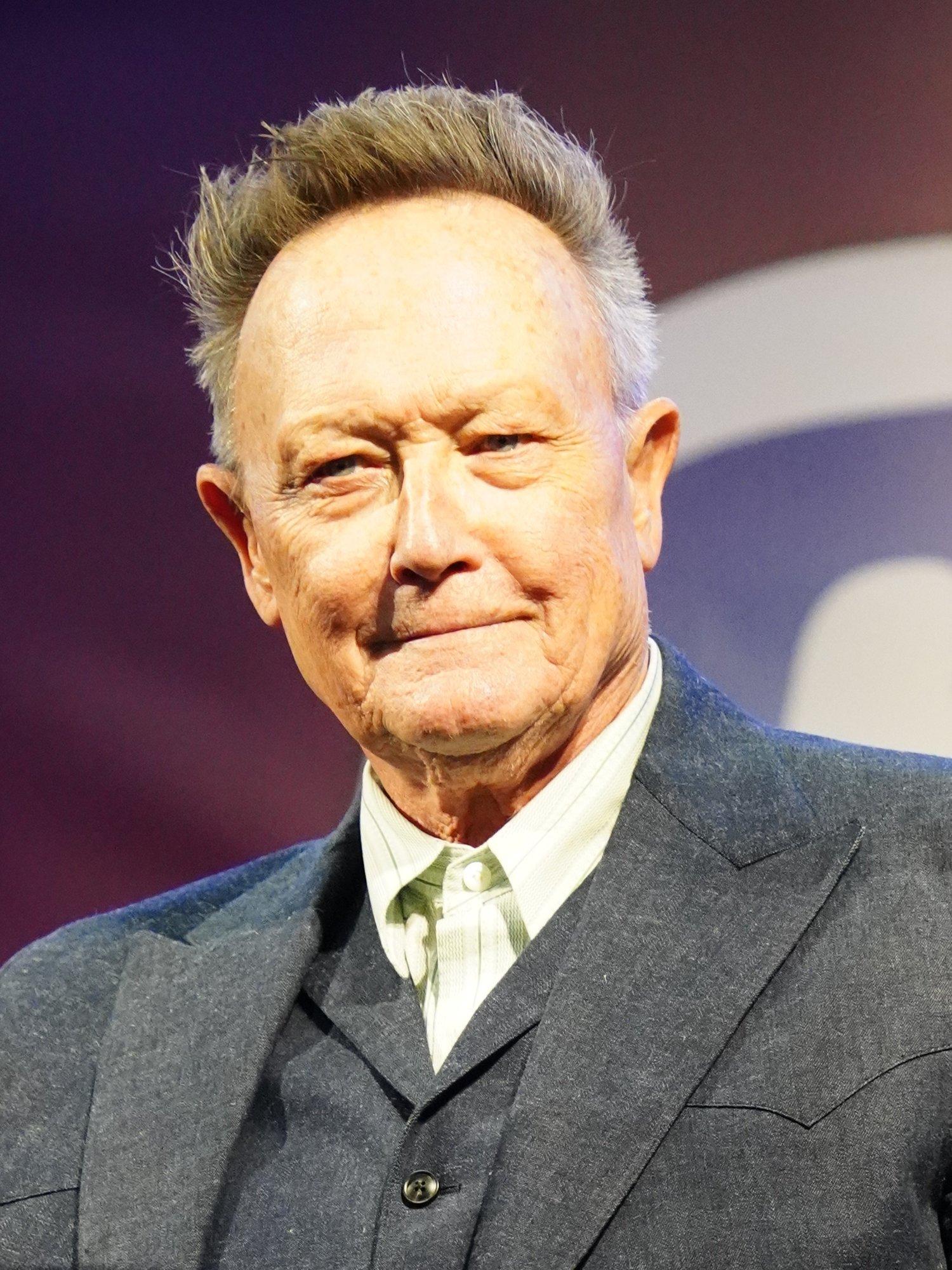
Robert Patrick.

Actor · Film and television mainstay

Robert Patrick made one of cinema’s iciest villains unforgettable, then refused to become a one-role museum piece. From the liquid-metal menace of Terminator 2 to John Doggett on The X-Files and a long run of cops, commanders, fathers and antagonists across film and television, he built a reputation on severity, stamina and a late-start work ethic sharpened by years of smaller jobs, a near-fatal boating accident and decades of reliable screen presence.

OBJECTIVE PERSONALITY CLASSIFICATIONMM-Fi/Ne-CP/B(S)What does this mean?
PERSONALITY SYSTEMObjective Personality
LEAD FUNCTIONFi · Introverted Feeling
SECOND SAVIOR FUNCTIONNe · Extroverted Intuition
MBTI EQUIVALENTINFP
01 / BEHIND THE CLASSIFICATION

The personality behind the fame.

How does a recorded OPS classification like MM-Fi/Ne-CP/B(S) break down? Walk through nine coins and watch the proposed type take shape. These are deductions from the archived code, not independent evidence of typing accuracy.

Scroll below to see Robert Patrick take shape.

STARTING POINT512 possible OPS typesEach type combines core functions, an animal order, and sexual modalities.
THE FINISH LINEMM-Fi/Ne-CP/B(S)One recorded classification, decoded from its components.
Robert Patrick’s HUMAN NEEDS 01—03
01
DECIDER OR OBSERVER?

Decider over Observer

Deciders have more balanced Observer poles in the middle: Control (Oi) and Chaos (Oe). Organizing what's known and handling what's new tend to feel more manageable. People are the harder territory. Self (Di) and Tribe (De) sit at the extremes, so judgment, rejection, approval, and conflict can trigger the strongest reactions.

When Patrick joined The X-Files as John Doggett after David Duchovny’s departure, he walked straight into comparison, fan skepticism and the thankless job of not being the guy viewers were already attached to. That is classic people-pressure: not whether the set existed or the script arrived, but how a role lands in a social field full of expectations. His strength is staying steady under judgment; critics, fans and co-stars still praised his work ethic and performances. The blind spot is letting other people’s narratives define the challenge before the work itself does.


D
02
SELF OR TRIBE?

Di · Self over De · Tribe

Self (Di) is the stronger deciding pole. They check decisions against their own values or reasons first: what makes sense to me, what feels right to me? The strength is independent conviction; the recurring friction is the Tribe (De)—other people's standards, feedback, and expectations. As the portrait unfolds, notice how Self takes the lead.

Patrick did not grow up chasing center stage. He disliked acting as a child, dropped out of Bowling Green before graduating, worked as a house painter, survived a boating accident in 1984, then moved to Los Angeles the same year. That sequence has a strong self-directed quality: the pivot came from his own internal call, not from a neat institutional path. The upside is conviction strong enough to restart a life in mid-twenties. The cost is that private certainty still has to survive public gatekeepers, casting decisions and everyone else’s idea of what you are supposed to be.

Di
03
GATHER OR ORGANIZE?

Oe · Gather over Oi · Organize

Gather (Oe) leads with new information, experiences, and possibilities. Its strength is curiosity and adaptability; the recurring friction is narrowing the options and settling into what is already known. Another layer of the personality portrait comes into focus.

Patrick’s career rarely sits still for long: Roger Corman-style action movies in the Philippines, the T-1000, Fire in the Sky, The Sopranos, Elvis, The Unit, Scorpion, Avatar: The Last Airbender, Peacemaker, Reacher and Tulsa King. Gather-first fits that restless range. Another role, genre or format is not a threat to identity; it is fresh material. The advantage is adaptability across decades of changing industry demand. The tradeoff is brand sprawl. A man known for one iconic role can keep opening new doors while making it harder for the public to reduce him to one tidy lane.

Oe
FIRST THREE COINSD + Di + Oe

These establish the preferred human needs in the OPS framework.

Robert Patrick’s FUNCTIONS 04—05
04
FEELING OR THINKING?

Feeling · F over Thinking · T

Feeling (F) evaluates decisions through values, meaning, and what matters—not simply through emotion. Its strength is a clear sense of significance; Thinking (T) provides balance through impersonal reasons, consistency, and evidence. Combined with Self (Di), this forms the recorded Savior Fi.

Feeling here looks less like sentimentality than like decisions tied to personal loyalties and chosen convictions. During Terminator 2, Patrick was still broke and living in a cheap apartment, yet he married Barbara Hooper during the shoot; later they appeared together in projects including The X-Files. He has also been public about being a devout Episcopalian. Fi’s strength is commitment with a personal center instead of pure optics. The blind spot is that an inner conviction can feel sufficient on its own, while the more impersonal case for a decision may be left to sort itself out later.

F → Fi
05
SENSING OR INTUITION?

Intuition · N over Sensing · S

Intuition (N) focuses on concepts, patterns, and what information might mean. Sensing (S) balances it through observable facts, physical detail, and direct experience. Combined with Gather (Oe), this gives the recorded Savior Ne.

Patrick’s own story keeps undercutting the obvious read of his face. The same tough exterior that helped get him early film work later became the T-1000, John Doggett, Elvis Presley, Johnny Cash’s father, a shaggy show-business manager in Mr. Sophistication and White Dragon in Peacemaker. That points to Intuition: seeing alternate versions inside a familiar package. The strength is refusing a fixed identity just because casting found one profitable use for it. The cost is that possibility keeps multiplying. Reinvention opens careers, but it does not automatically organize them into one simple public story.

N → Ne
THE TWO SAVIOR FUNCTIONSFi / Ne

Opposing functions: Te and Si.

Robert Patrick’s ANIMAL STACK 06—07
06
CONSUME OR BLAST?

Consume over Blast

Consume gathers information for internal processing; Blast organizes and communicates information. The recorded order is Consume → Play → Blast → Sleep. This comparison follows their positions in that stack.

Patrick called those low-budget films in the Philippines his “film school,” and that phrasing matters. Consume first often builds by absorbing experience, technique and context before trying to declare a grand thesis. Those B movies helped him get a SAG card, and Fire in the Sky later helped lead Chris Carter to cast him on The X-Files. The strength is depth earned the hard way: take in the material, learn the job, then cash it in later. The blind spot is that Consume can keep collecting usefulness while Blast waits, leaving the larger message of who you are slower to state plainly.

C > B
07
PLAY OR SLEEP?

Play over Sleep

Play emphasizes external real-time engagement; Sleep emphasizes internal processing. The recorded stack places Play earlier.

His résumé is full of long collaborative stretches: The X-Files, The Unit, Scorpion, From Dusk till Dawn: The Series, Peacemaker, 1923, Reacher, Tulsa King. Publicly, that outward engagement paid off; by 2002, critics, fans and co-stars were already praising his work ethic, personality and consistency, and Jason Bateman called him “one of the great heavies.” With Play ahead of Sleep, there is real strength in meeting the work in motion, with other people, in real time. The growth cost is quieter integration. A career can keep rewarding responsiveness long after the body and mind need a slower reset.

P > S
Robert Patrick’s ANIMAL ORIENTATION 08—09
08
INFO OR ENERGY DOMINANT?

Info over Energy

Info dominant means Consume and Blast are both in the top three: gathering and communicating information are more balanced. Sleep last leaves the energy side uneven—Play can keep engagement going without enough private recovery.

Patrick’s stack is Info-dominant: Consume and Blast both land in the top three, which suits an actor whose career depends on taking in material and then delivering it clearly enough to anchor a movie, a series or a scene. His long run of authority figures and villains works partly because the information gets translated into something unmistakable on screen. The void sits elsewhere. With Sleep missing from the top three, internal recovery can get treated like an afterthought. Reliability becomes a strength with a bill attached: the machine keeps working, and rest can look optional until it no longer is.

Info
09
INTROVERSION OR EXTROVERSION?

Extroversion over Introversion

The last animal, Sleep, determines this OPS coin: Play or Blast last means Introversion; Consume or Sleep last means Extroversion. This describes animal orientation, not sociability or shyness.

Sleep is last here, which makes this an OPS Extroversion result—not because Patrick seems socially flashy, but because outward engagement and visible output tend to get prioritized ahead of extended private processing. That fits a public life built on recurring series roles, guest spots, voice work and even co-owning Santa Clarita Harley-Davidson. The advantage is momentum; he remains usable in many arenas. The blind spot is assuming motion itself is balance. When Sleep comes last, the growth edge is protecting unspectacular recovery time before the next role, deal or obligation arrives.

E
Sexual Modalities

The four sexual modalities.

OPS uses masculine/feminine sensory and extroverted-deciding distinctions as framework-specific terms, not gender categories. The four modalities are already included in the original 512 types. The recorded modality is MM · Kinesthetic.

MM RECORDED MODALITYKinestheticMasculine Sensory · Masculine De
MF AudioMasculine Sensory · Feminine De
FF TesterFeminine Sensory · Feminine De
FM VisualFeminine Sensory · Masculine De
COMPLETE RECORDED OPS TYPE · MODALITY INCLUDEDMM-Fi/Ne-CP/B(S)

Fi leads, Ne supports, and the animal stack is Consume → Play → Blast → Sleep.

THE FINISHED PORTRAIT · ALL NINE COINS REVEALED

Robert Patrick's complete function and animal stack

ConsumePlayBlastSleepfFifNemSimTe
MM-Fi/Ne-CP/B(S)DOUBLE ACTIVATED · PLAYExplore the Interactive Coin Builder →
THE ROBERT PATRICK LENS

More than the liquid-metal glare

Patrick’s public image was forged in chrome: the T-1000 arriving with terrifying calm, then decades of sheriffs, agents and hard men who seem built for command. The fuller picture is less mythic and more workmanlike. He came to acting late, learned on rough jobs, and built longevity by being the kind of performer productions can keep trusting.

Fi with Ne gives him a useful tension. Fi supplies the inner standard that can hold through typecasting, while Ne keeps spotting another possible use for the same severe exterior. That pairing helps explain a career that never stayed trapped in one villain mold. Its limit is obvious too: private conviction and new options do not automatically produce a clean public thesis.

As a Decider and Double Observer, Patrick is built to revisit chaos, roles and changing circumstances more easily than the human problem of significance and judgment. The recurring imbalance is not a shortage of material; it is the weight of whose standard should rule. Neglected Te, opposite his lead Fi, asks for the impersonal, externally demonstrable case instead of relying on personal certainty alone.

Consume → Play → Blast → Sleep shows a life that keeps moving outward: take in the material, engage the people, deliver the role, and postpone the quieter reset. Sleep last can turn admirable reliability into chronic under-recovery. The balancing move is not becoming less driven; it is scheduling protected off-set decompression before signing onto the next cop, commander or beautifully cold monster.

Want to understand the Savior and Demon states behind these nine coins? Explore the complete explanation, visual examples, and typing principles on our Methodology page →

02 / KEEP EXPLORING

Different faces. Familiar patterns.

Explore other celebrities with related recorded OPS classifications. Related functions are not necessarily exact type matches.

Discover Type Twins
YOUR TURN

Curious about your own type?

Discover how your own personality might be classified through Objective Personality.

Get objectively typed
Robert Patrick's Personality Type & OPS Profile | The Personality Atlas