The Personality Atlas
THE CELEBRITY PERSONALITY ARCHIVE / ROYAL HUMANITARIAN

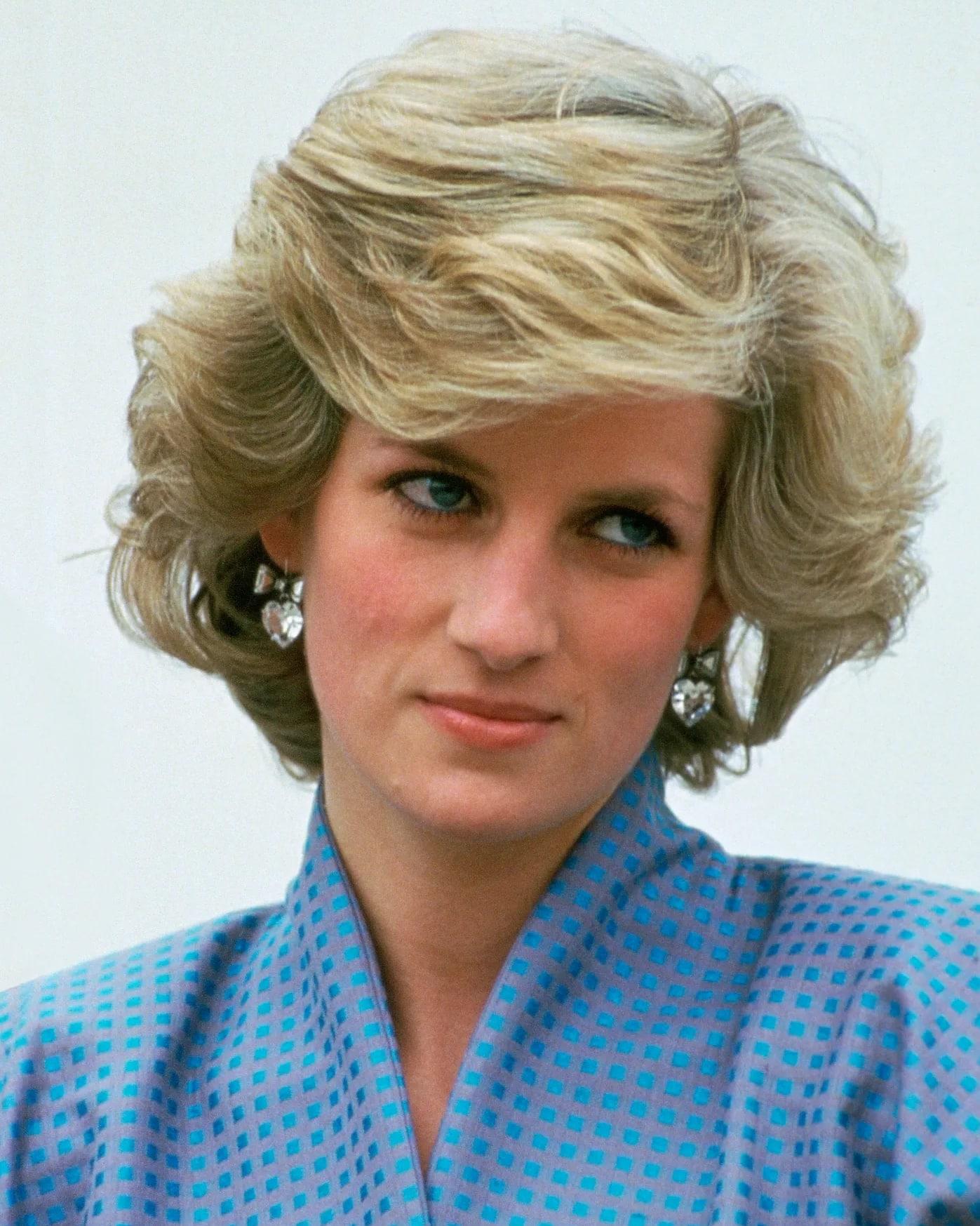
Princess Diana.

Princess of Wales · Humanitarian icon

Princess Diana remains one of the rare royal figures whose public image was not built on distance alone. From the globally watched 1981 wedding to hands-on campaigns around AIDS acceptance and landmine removal, she turned ceremonial visibility into a far more personal, improvisational kind of influence—glamorous, warm, and often disruptive to the institution around her.

OBJECTIVE PERSONALITY CLASSIFICATIONFF-Fi/Ne-CP/S(B) #4What does this mean?
PERSONALITY SYSTEMObjective Personality
LEAD FUNCTIONFi · Introverted Feeling
SECOND SAVIOR FUNCTIONNe · Extroverted Intuition
MBTI EQUIVALENTINFP
01 / BEHIND THE CLASSIFICATION

The personality behind the fame.

How does a recorded OPS classification like FF-Fi/Ne-CP/S(B) #4 break down? Walk through nine coins and watch the proposed type take shape. These are deductions from the archived code, not independent evidence of typing accuracy.

Scroll below to see Princess Diana take shape.

STARTING POINT512 possible OPS typesEach type combines core functions, an animal order, and sexual modalities.
THE FINISH LINEFF-Fi/Ne-CP/S(B) #4One recorded classification, decoded from its components.
Princess Diana’s HUMAN NEEDS 01—03
01
DECIDER OR OBSERVER?

Decider over Observer

Deciders have more balanced Observer poles in the middle: Control (Oi) and Chaos (Oe). Organizing what's known and handling what's new tend to feel more manageable. People are the harder territory. Self (Di) and Tribe (De) sit at the extremes, so judgment, rejection, approval, and conflict can trigger the strongest reactions.

Diana’s public life was saturated with significance battles: a marriage under global scrutiny, a royal role loaded with expectation, and relationships that became national arguments about loyalty, dignity, and who was failing whom. Even her 1989 confrontation with Camilla Parker Bowles shows the pressure landing in people territory first. That Decider focus gave her a strength for reading human pain and responding personally, not ceremonially. The blind spot is how easily relationship strain can eclipse calmer process. The growth cost is tolerating imperfect people without making every unresolved bond carry the weight of identity.


D
02
SELF OR TRIBE?

Di · Self over De · Tribe

Self (Di) is the stronger deciding pole. They check decisions against their own values or reasons first: what makes sense to me, what feels right to me? The strength is independent conviction; the recurring friction is the Tribe (De)—other people's standards, feedback, and expectations. As the portrait unfolds, notice how Self takes the lead.

Diana often pushed back against royal script when it touched something she felt was hers to decide. She selected her own engagement ring, omitted "obey" from the wedding vow, and later insisted on choosing her sons' names, schools and daily routines more directly than palace custom expected. Self over Tribe does not mean antisocial; it means the inner standard gets first vote. The strength is obvious: her public role never looked entirely prefab. The cost is harder to absorb outside structure, especially when an institution expects quiet compliance instead of a personally edited version of duty.

Di
03
GATHER OR ORGANIZE?

Oe · Gather over Oi · Organize

Gather (Oe) leads with new information, experiences, and possibilities. Its strength is curiosity and adaptability; the recurring friction is narrowing the options and settling into what is already known. Another layer of the personality portrait comes into focus.

The Princess of Wales was supposed to fit a settled mold, yet Diana kept reopening the role. Her patronages began around children and the elderly, then expanded into AIDS awareness, cancer, mental illness, and the campaign against landmines. Even hiring a voice coach in the early 1990s suggests someone still searching for another way to operate publicly, not just preserving the approved routine. Gather over Organize brings freshness and responsiveness; she could find a new lane before the institution fully recognized it. The tradeoff is instability. A life built on new openings can keep straining older systems that want predictable boundaries and repeatable procedure.

Oe
FIRST THREE COINSD + Di + Oe

These establish the preferred human needs in the OPS framework.

Princess Diana’s FUNCTIONS 04—05
04
FEELING OR THINKING?

Feeling · F over Thinking · T

Feeling (F) evaluates decisions through values, meaning, and what matters—not simply through emotion. Its strength is a clear sense of significance; Thinking (T) provides balance through impersonal reasons, consistency, and evidence. Combined with Self (Di), this forms the recorded Savior Fi.

Diana's Feeling judgment shows up in how often she made public duty personal. She became especially identified with changing social attitudes toward AIDS patients and with landmine removal, causes where simple human recognition mattered as much as policy language. Fi puts a private value line underneath the public act: she did not need a cold institutional script to know what felt worth standing beside. That can make compassion unusually vivid. The limit is that personal moral certainty is not the same as collective agreement; heartfelt conviction can still collide with diplomacy, protocol, or another person's reading of the situation.

F → Fi
05
SENSING OR INTUITION?

Intuition · N over Sensing · S

Intuition (N) focuses on concepts, patterns, and what information might mean. Sensing (S) balances it through observable facts, physical detail, and direct experience. Combined with Gather (Oe), this gives the recorded Savior Ne.

Diana's Intuition appears less in abstract speeches than in the way she reimagined what a princess could mean. The conventional picture was pageantry and distance; she kept finding alternate uses for the role, from radically more direct charity contact to a media presence that made monarchy feel less sealed off. Ne is good at spotting another version of the story before everyone else is ready for it. That imaginative leap is a strength. The cost is looseness: possibilities multiply faster than institutions can stabilize them, and symbolic gestures can outrun the slower mechanics required to turn a new vision into durable structure.

N → Ne
THE TWO SAVIOR FUNCTIONSFi / Ne

Opposing functions: Te and Si.

Princess Diana’s ANIMAL STACK 06—07
06
CONSUME OR BLAST?

Consume over Blast

Consume gathers information for internal processing; Blast organizes and communicates information. The recorded order is Consume → Play → Sleep → Blast. This comparison follows their positions in that stack.

Before Diana became a global symbol, her biography already showed a pattern of taking in experience rather than broadcasting a finished doctrine. She worked low-paying jobs, assisted in nurseries, did voluntary work at Darenth Park Hospital, and later used private interviews and voice coaching to gather perspective before major public statements. Consume over Blast fits that rhythm. The strength is depth built from actual contact and accumulated context, not just a polished line. The blind spot is delay. More input can keep feeling useful long after a cleaner message is needed, leaving others to interpret the silence or fill the gap with their own narrative.

C > B
07
PLAY OR SLEEP?

Play over Sleep

Play emphasizes external real-time engagement; Sleep emphasizes internal processing. The recorded stack places Play earlier.

Diana's public magnetism was not just image; it was interaction. Accounts of her role repeatedly return to charisma, friendliness, and an unconventional willingness to meet people directly, whether at royal duties, on Commonwealth tours, or in high-profile charity settings. With Play coming before Sleep, real-time exchange looks especially important: she energized the role by entering the room, not merely by retreating to refine a private stance. That is a strength because it creates instant human rapport. The cost is that live connection can move faster than slower internal sorting, making the public moment clearer than the long-term personal or institutional framework around it.

P > S
Princess Diana’s ANIMAL ORIENTATION 08—09
08
INFO OR ENERGY DOMINANT?

Energy over Info

Energy dominant means Play and Sleep are both in the top three: there is access to expending energy through engagement and conserving it through internal processing. Blast last leaves the information side uneven—Consume may gather far more than gets communicated.

Diana's stack lands on Energy, which fits the way her life oscillated between visible engagement and the need to consolidate before the next appearance. She could be shy early, then profoundly effective in person once the role demanded contact. With Play and Sleep both in the top three, there is fuel for both outward presence and private recalibration. The missing balance comes from Blast last. She could embody a cause faster than she could reduce it to a neat official line everyone had to follow. That gap helped make her fascinating, and it also left courtiers, tabloids, and intermediaries competing to explain her.

Energy
09
INTROVERSION OR EXTROVERSION?

Introversion over Extroversion

The last animal, Blast, determines this OPS coin: Play or Blast last means Introversion; Consume or Sleep last means Extroversion. This describes animal orientation, not sociability or shyness.

Diana reads as Introverted in the OPS sense because Blast is last, not because she lacked public visibility. Few people were more photographed or more capable of moving a crowd. The issue is different: formal top-down explanation tends to come later than personal engagement, private processing, or intake. That pattern shows in a life where presence often spoke faster than a stabilized institutional message, and where major clarifications could arrive through interviews, tapes, or set pieces instead of steady official framing. The strength is authenticity over canned messaging. The growth cost is learning to state the conclusion earlier, before other people package it for you.

I
Sexual Modalities

The four sexual modalities.

OPS uses masculine/feminine sensory and extroverted-deciding distinctions as framework-specific terms, not gender categories. The four modalities are already included in the original 512 types. The recorded modality is FF · Tester.

MM KinestheticMasculine Sensory · Masculine De
MF AudioMasculine Sensory · Feminine De
FF RECORDED MODALITYTesterFeminine Sensory · Feminine De
FM VisualFeminine Sensory · Masculine De
ADDITIONAL LAYER · SOCIAL TYPE

The four social types.

Social types are an additional layer on top of the original Objective Personality classification, introduced later in OPS research. They describe two proposed social preference coins: Flex vs. Friends and Generalize vs. Specialize. The combination and priority of these preferences produce four social types. Princess Diana's recorded social type is #4.

SOCIAL #1 #1Flex · Generalize
SOCIAL #2 #2Generalize · Friends
SOCIAL #3 #3Specialize · Flex
SOCIAL #4 RECORDED SOCIAL TYPE#4Friends · Specialize
COMPLETE RECORDED OPS TYPE · MODALITY INCLUDED + SOCIAL TYPEFF-Fi/Ne-CP/S(B) #4

Fi leads, Ne supports, and the animal stack is Consume → Play → Sleep → Blast.

THE FINISHED PORTRAIT · ALL NINE COINS REVEALED

Princess Diana's complete function and animal stack

ConsumePlaySleepBlastmFimNefSifTe
FF-Fi/Ne-CP/S(B) #4DOUBLE ACTIVATED · CONSUMEExplore the Interactive Coin Builder →
THE PRINCESS DIANA LENS

The princess who made proximity the point.

Her fame was engineered for spectacle, but some of Diana’s most memorable public images came from refusing pure spectacle. The woman in a tiara who also sat with AIDS patients and walked through a landmine campaign became more than a royal symbol. Behind the glamour was someone who kept using visibility as a way to make distant institutions feel physically, sometimes uncomfortably, close.

Fi and Ne gave her a rare combination: a private value compass and the instinct to see another possible version of the role. That pairing helped her humanize causes the monarchy could have handled more ceremonially. It also has a limit. Personal conviction and imaginative reframing can move faster than consensus, procedure, or a stable explanation that other people inside the system can consistently carry.

As a Decider and Double Observer, Diana’s core imbalance points less to chaos in the world than to the strain of people, significance and competing judgments. Double Observer means the information game is comparatively broader; the sharper pressure lands on who matters and which relationship gets honored. Neglected Te, opposite her lead Fi, can make impersonal structure, blunt evidence and standardized messaging feel like tools she used later and less naturally.

Consume → Play → Sleep → Blast helps explain why Diana could absorb, connect and privately recalibrate before landing on a single institutional message. Blast last does not erase charisma; it marks the part that lags—succinct, top-down clarification. Her balance move is not becoming colder or less personal. It is translating the cause earlier: one cleaner statement, one firmer boundary, one clearer ask before the story starts speaking for her.

Want to understand the Savior and Demon states behind these nine coins? Explore the complete explanation, visual examples, and typing principles on our Methodology page →

02 / KEEP EXPLORING

Different faces. Familiar patterns.

Explore other celebrities with related recorded OPS classifications. Related functions are not necessarily exact type matches.

Discover Type Twins
YOUR TURN

Curious about your own type?

Discover how your own personality might be classified through Objective Personality.

Get objectively typed
Princess Diana's Personality Type & OPS Profile | The Personality Atlas