The Personality Atlas
THE CELEBRITY PERSONALITY ARCHIVE / PSYCHOLOGY & SCIENCE

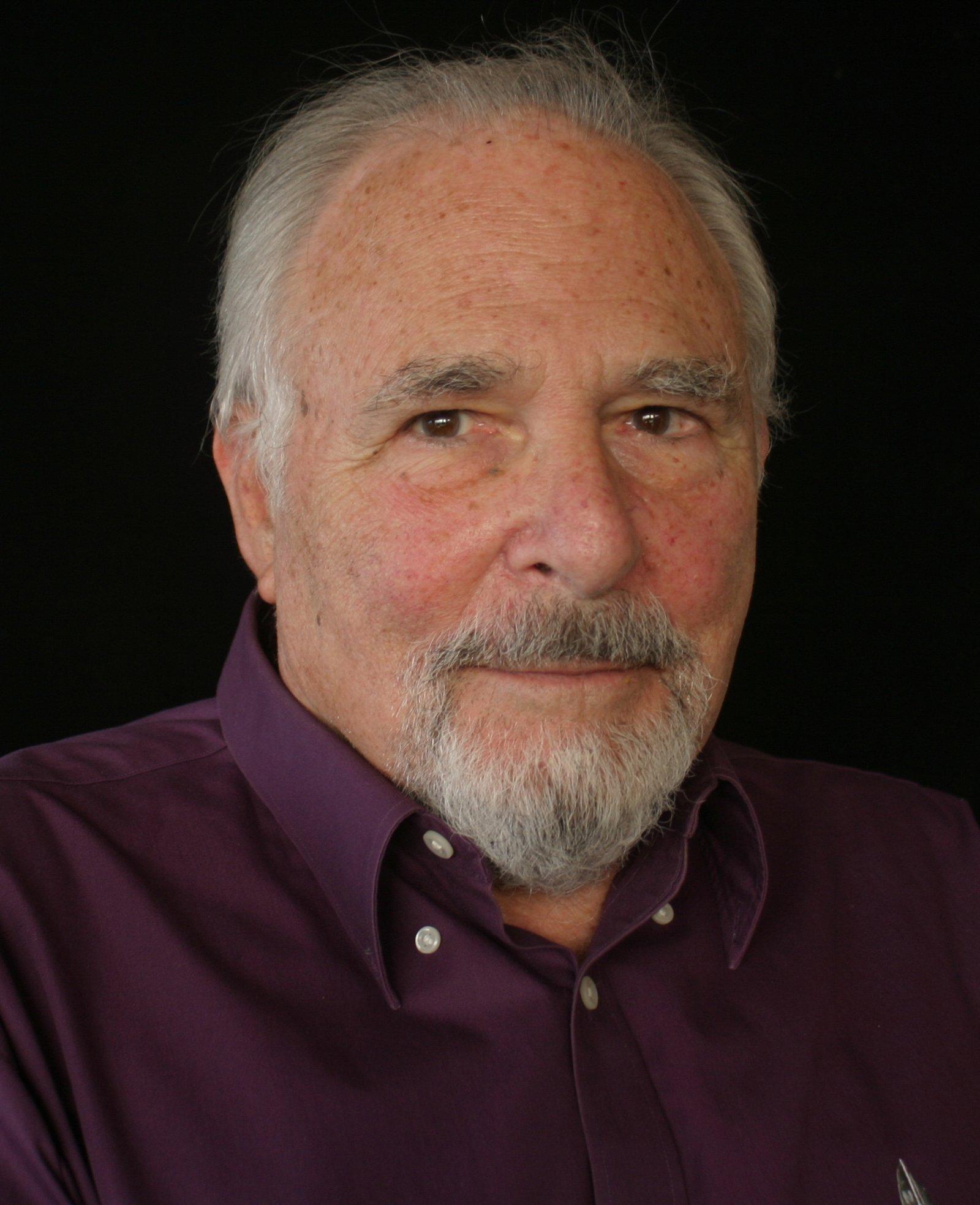
Paul Ekman.

Psychologist · Professor · Author

Paul Ekman spent a career turning fleeting facial movements into an argued scientific language. The UC San Francisco psychologist moved from Army research to landmark studies of emotion, then into books, documentaries, television consulting and Pixar, an unusually public second life for a professor whose reputation was built on careful coding of the face.

OBJECTIVE PERSONALITY CLASSIFICATIONMM-Te/Si-BS/P(C)What does this mean?
PERSONALITY SYSTEMObjective Personality
LEAD FUNCTIONTe · Extroverted Thinking
SECOND SAVIOR FUNCTIONSi · Introverted Sensing
MBTI EQUIVALENTESTJ
01 / BEHIND THE CLASSIFICATION

The personality behind the fame.

How does a recorded OPS classification like MM-Te/Si-BS/P(C) break down? Walk through nine coins and watch the proposed type take shape. These are deductions from the archived code, not independent evidence of typing accuracy.

Scroll below to see Paul Ekman take shape.

STARTING POINT512 possible OPS typesEach type combines core functions, an animal order, and sexual modalities.
THE FINISH LINEMM-Te/Si-BS/P(C)One recorded classification, decoded from its components.
Paul Ekman’s HUMAN NEEDS 01—03
01
DECIDER OR OBSERVER?

Decider over Observer

Deciders have more balanced Observer poles in the middle: Control (Oi) and Chaos (Oe). Organizing what's known and handling what's new tend to feel more manageable. People are the harder territory. Self (Di) and Tribe (De) sit at the extremes, so judgment, rejection, approval, and conflict can trigger the strongest reactions.

Ekman did not spend his career mainly wrestling with broken equipment or chaotic logistics. Again and again, the real friction centered on people, credibility and who would accept his claims. His universality research drew open hostility at professional meetings, where he later recalled being shouted down and accused of racism or even fascist ideas for challenging prevailing views. That is Decider pressure: the work becomes a referendum on status, belonging and moral legitimacy. His strength was staying in the argument. The cost was living where disagreement could turn intensely personal.
D
02
SELF OR TRIBE?

De · Tribe over Di · Self

Tribe (De) is the stronger deciding pole. They check decisions against people, shared standards, and what works for the group: what do we need, what will others think? The strength is coordination and responsiveness; the recurring friction is the Self (Di)—knowing and defending their own position. As the portrait unfolds, notice how Tribe takes the lead.

Ekman repeatedly pushed his research outward into tools other people could use: the Facial Action Coding System, standardized photo sets, training programs, popular books, even a parent’s guide tied to Inside Out. That Tribe-first orientation shows up as a drive to make knowledge legible, transferable and useful beyond his own lab. The strength is reach. He built shared methods for clinicians, researchers, teachers and audiences. The blind spot is that usefulness can start steering the project. Once a framework becomes communal property, there is pressure to protect it even when critics keep pressing on its limits.

De
03
GATHER OR ORGANIZE?

Oi · Organize over Oe · Gather

Organize (Oi) leads with refining, preserving, and structuring what is already known. Its strength is preparation and clear direction; the recurring friction is unexpected change that disrupts the plan. Another layer of the personality portrait comes into focus.

Ekman’s signature move was not endless exploration of every possible theory of emotion. It was organizing a messy subject into stable categories: action units, display rules, photo stimuli, cross-cultural comparisons and quantitative methods others could repeat. That Organize tilt gave psychology a structure it could actually build on. The strength is clarity. Researchers can test, teach and refine what has been firmly defined. The cost is rigidity. A strong map can make anomalies look secondary, and many of the sharpest criticisms of his work targeted exactly how tightly his categories framed emotional reality.

Oi
FIRST THREE COINSD + De + Oi

These establish the preferred human needs in the OPS framework.

Paul Ekman’s FUNCTIONS 04—05
04
FEELING OR THINKING?

Thinking · T over Feeling · F

Thinking (T) evaluates decisions through reasons, logic, and what works—not a lack of emotion. Its strength is analytical consistency; Feeling (F) provides balance through values, meaning, and the human consequences of a decision. Combined with Tribe (De), this forms the recorded Savior Te.

His work kept asking a blunt public question: can this be measured, taught and used? That Thinking lens is visible in FACS, where facial movement became a codable system instead of a vague impression, and in his Army experience, where research convinced him it could change routines in a more humane direction. The strength of Te is practical clarity. It turns ideas into procedures others can follow. The blind spot is that application can outrun consensus. A tool that works well in training or institutions still has to keep earning confidence in each new setting where it is applied.

T → Te
05
SENSING OR INTUITION?

Sensing · S over Intuition · N

Sensing (S) focuses on concrete details, observable reality, and lived experience. Intuition (N) balances it by looking for broader patterns, concepts, and implications. Combined with Organize (Oi), this gives the recorded Savior Si.

Ekman became famous for emotion theory, but the machinery of his career was intensely concrete. He cataloged visible muscle movements, compared filmed behavior, assembled photo sets and described thousands of expressions in painstaking detail. That Sensing preference makes the face less mystical and more observable. The strength is precision: subtle differences stop being mere impressions and become trackable data. The growth cost is that reality can always present details that resist the existing catalog. Critics of his photo methods and emotion taxonomy kept pressing on that exact limit: a map may be exact and still remain incomplete.

S → Si
THE TWO SAVIOR FUNCTIONSTe / Si

Opposing functions: Fi and Ne.

Paul Ekman’s ANIMAL STACK 06—07
06
CONSUME OR BLAST?

Blast over Consume

Consume gathers information for internal processing; Blast organizes and communicates information. The recorded order is Blast → Sleep → Play → Consume. This comparison follows their positions in that stack.

Ekman’s public reputation was built less on holding back interesting findings than on delivering them. Telling Lies, The Human Face with John Cleese, and his advisory role behind Lie to Me all show Blast arriving earlier than Consume in this comparison. The strength is obvious: he could take technical research and turn it into an explanation an audience could immediately use. The blind spot is subtler. When Blast comes sooner, another round of intake can feel less urgent than sharpening the message already formed. The growth cost is pausing to absorb fresh objections before teaching the model again.

B > C
07
PLAY OR SLEEP?

Sleep over Play

Play emphasizes external real-time engagement; Sleep emphasizes internal processing. The recorded stack places Sleep earlier.

The next comparison clarifies why Ekman could be so publicly explanatory without seeming randomly improvisational. Sleep appears earlier than Play: long stretches of internal consolidation around facial coding and emotion theory came before the more spontaneous exchange visible later in collaborations with Wallace Friesen, John Cleese or Pixar. The strength is depth. He did not bring every half-formed idea into public circulation. The blind spot is that once the model feels privately settled, real-time pushback can land as an interruption. Growth means letting live interaction revise the understanding, not merely help distribute it.

S > P
Paul Ekman’s ANIMAL ORIENTATION 08—09
08
INFO OR ENERGY DOMINANT?

Energy over Info

Energy dominant means Play and Sleep are both in the top three: there is access to expending energy through engagement and conserving it through internal processing. Consume last leaves the information side uneven—Blast may broadcast more than gets taken in.

His stack lands on Energy rather than Info because the top three animals keep the system moving through explanation, private processing and interaction, while Consume falls to the bottom. You can see that mix in the arc from UCSF professor to consultant, documentary collaborator and public explainer of emotion. The strength is sustained output: he could refine an idea internally and still keep it active in the world. The missing balance is fresh intake. The cost of last Consume is not ignorance; it is the temptation to work a trusted framework harder instead of reopening it to another wave of data.

Energy
09
INTROVERSION OR EXTROVERSION?

Extroversion over Introversion

The last animal, Consume, determines this OPS coin: Play or Blast last means Introversion; Consume or Sleep last means Extroversion. This describes animal orientation, not sociability or shyness.

Consume sitting last also makes this an OPS Extroversion result, which is not the same thing as being socially flashy. Ekman’s extroversion shows up in orientation: moving outward with conclusions, systems and teachable models sooner than endlessly studying for one more nuance. That fits a career spent building public tools, advising a television series, joining a BBC documentary and writing for broad audiences after academia. The strength is decisive transmission. The blind spot is assuming the next useful move is usually another explanation. The growth edge is deliberate re-entry into research mode before the message hardens into habit.

E
Sexual Modalities

The four sexual modalities.

OPS uses masculine/feminine sensory and extroverted-deciding distinctions as framework-specific terms, not gender categories. The four modalities are already included in the original 512 types. The recorded modality is MM · Kinesthetic.

MM RECORDED MODALITYKinestheticMasculine Sensory · Masculine De
MF AudioMasculine Sensory · Feminine De
FF TesterFeminine Sensory · Feminine De
FM VisualFeminine Sensory · Masculine De
COMPLETE RECORDED OPS TYPE · MODALITY INCLUDEDMM-Te/Si-BS/P(C)

Te leads, Si supports, and the animal stack is Blast → Sleep → Play → Consume.

THE FINISHED PORTRAIT · ALL NINE COINS REVEALED

Paul Ekman's complete function and animal stack

BlastSleepPlayConsumemTemSifNefFi
MM-Te/Si-BS/P(C)DOUBLE ACTIVATED · BLASTExplore the Interactive Coin Builder →
THE PAUL EKMAN LENS

The face reader who built a system

As the public face behind Lie to Me and a consultant on Inside Out, Ekman could seem like a man who solved emotion with a stare. The fuller picture is more stubborn: a UCSF psychologist who spent decades coding facial movements, chasing cross-cultural evidence and forcing emotion back into serious scientific debate.

His Te/Si pairing turned a disputed topic into shared procedure. FACS, photo sets and display rules made emotion research teachable, testable and usable outside his office. That is the strength. The limit is visible too: once a framework becomes practical and established, it can be defended as the system people need even when critics are pressing on what it leaves out.

Ekman is a Decider and therefore a Double Observer, because the hotter pressure point kept landing in people, status and credibility battles rather than in raw chaos. The human imbalance leans toward handling judgments and shared standards while under-valuing Fi, the neglected function opposite his lead savior Te: the quieter question of personal values that do not need to be operationalized.

Blast → Sleep → Play → Consume fits the career: explain the model, refine it internally, bring it into interaction, and only then circle back for more intake. Last Consume can make a respected system keep speaking before it re-questions itself. The balance is not less teaching; it is one more serious pass through contrary evidence before the next polished conclusion.

Want to understand the Savior and Demon states behind these nine coins? Explore the complete explanation, visual examples, and typing principles on our Methodology page →

02 / KEEP EXPLORING

Different faces. Familiar patterns.

Explore other celebrities with related recorded OPS classifications. Related functions are not necessarily exact type matches.

Discover Type Twins
YOUR TURN

Curious about your own type?

Discover how your own personality might be classified through Objective Personality.

Get objectively typed
Paul Ekman's Personality Type & OPS Profile | The Personality Atlas