The Personality Atlas
THE CELEBRITY PERSONALITY ARCHIVE / STAGE & SCREEN

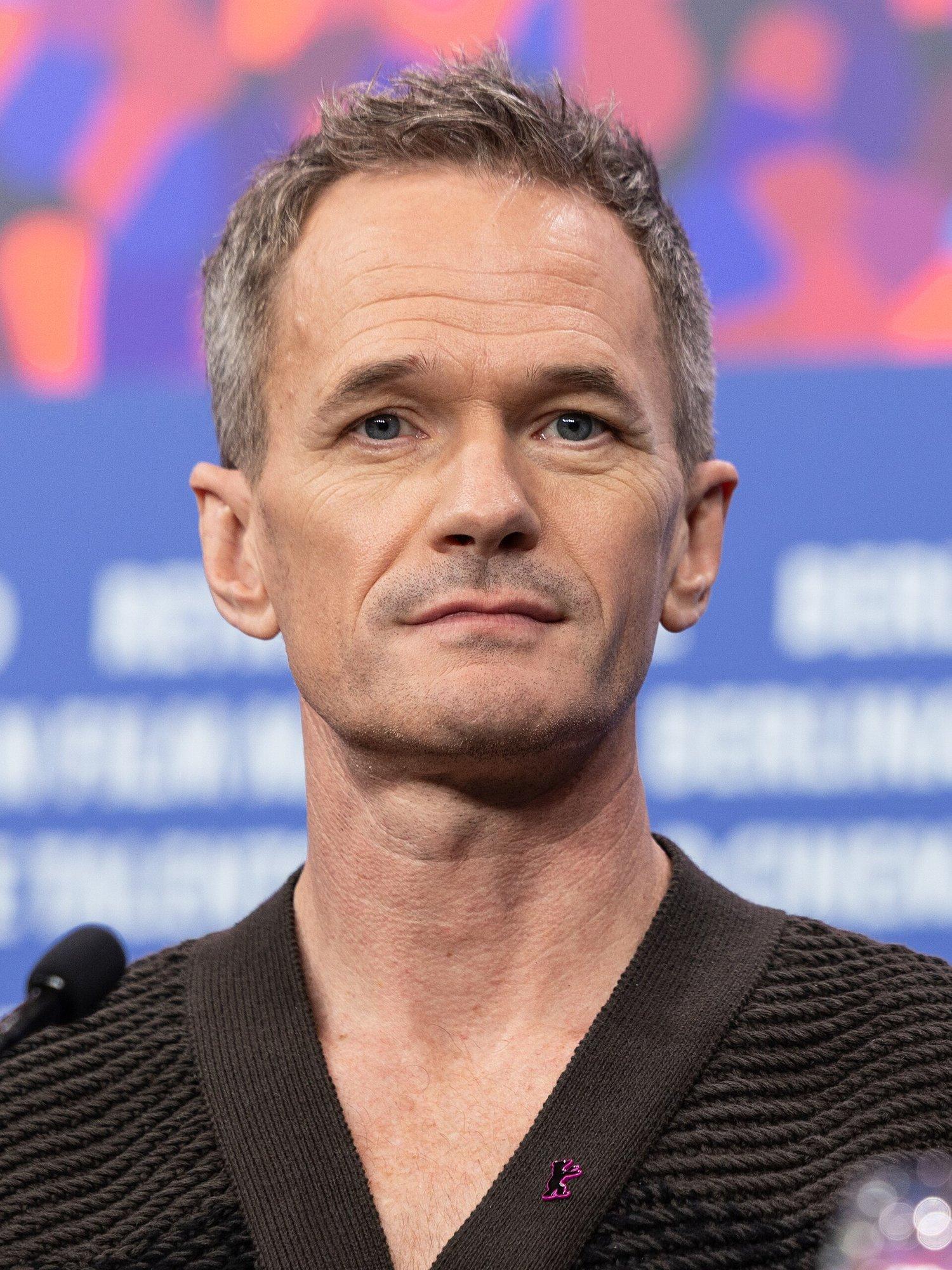
Neil Patrick Harris.

Actor · Host · Writer · Producer

Neil Patrick Harris has spent a career turning polish into misdirection. The same performer who arrived as TV’s boy-genius doctor later mocked his own image in Harold & Kumar, stole scenes as Barney Stinson, won a Tony for Hedwig, and kept returning to the controlled chaos of major award-show hosting. The through-line is not simple versatility; it is a highly composed entertainer who keeps choosing formats sharp enough to contain the spectacle.

OBJECTIVE PERSONALITY CLASSIFICATIONMF-Ni/Ti-SC/P(B) #3What does this mean?
PERSONALITY SYSTEMObjective Personality
LEAD FUNCTIONNi · Introverted Intuition
SECOND SAVIOR FUNCTIONTi · Introverted Thinking
MBTI EQUIVALENTINFJ
01 / BEHIND THE CLASSIFICATION

The personality behind the fame.

How does a recorded OPS classification like MF-Ni/Ti-SC/P(B) #3 break down? Walk through nine coins and watch the proposed type take shape. These are deductions from the archived code, not independent evidence of typing accuracy.

Scroll below to see Neil Patrick Harris take shape.

STARTING POINT512 possible OPS typesEach type combines core functions, an animal order, and sexual modalities.
THE FINISH LINEMF-Ni/Ti-SC/P(B) #3One recorded classification, decoded from its components.
Neil Patrick Harris’ HUMAN NEEDS 01—03
01
DECIDER OR OBSERVER?

Observer over Decider

Observers have more balanced Decider poles in the middle: Self (Di) and Tribe (De). Their own perspective and other people's perspectives tend to be easier to navigate. Things are the harder territory. Control (Oi) and Chaos (Oe) sit at the extremes, so disrupted plans, uncertainty, and a changing world can trigger the strongest reactions.

After Doogie Howser ended, Harris faced the classic former-child-star problem: not mainly whether people approved of him, but what kind of career terrain he could build inside an industry that might freeze him in one image. He answered with Broadway, a deliberately outrageous self-parody in Harold & Kumar, then Barney Stinson and Count Olaf. That is Observer pressure showing up as circumstances, timing and category traps. The strength is strategic reinvention when the environment shifts. The blind spot is assuming the next better setup will solve a problem that still requires a decisive personal move.
O
02
SELF OR TRIBE?

Di · Self over De · Tribe

Self (Di) is the stronger deciding pole. They check decisions against their own values or reasons first: what makes sense to me, what feels right to me? The strength is independent conviction; the recurring friction is the Tribe (De)—other people's standards, feedback, and expectations. As the portrait unfolds, notice how Self takes the lead.

In 2014 Harris reportedly turned down the idea of replacing David Letterman or Craig Ferguson because a nightly talk-show routine sounded boring to him. That is a useful Self-over-Tribe example: prestige, visibility and industry approval were sitting right there, but his internal standard still got the final vote. The strength is career authorship. He has repeatedly chosen projects—Hedwig, a game-structured memoir, children’s books, a board game—that fit his own logic instead of one expected lane. The cost is obvious: a private verdict can protect originality while also closing doors other people would call once-in-a-generation.

Di
03
GATHER OR ORGANIZE?

Oi · Organize over Oe · Gather

Organize (Oi) leads with refining, preserving, and structuring what is already known. Its strength is preparation and clear direction; the recurring friction is unexpected change that disrupts the plan. Another layer of the personality portrait comes into focus.

Harris’s public résumé looks varied, but it often runs through tightly defined formats he can master: four Tony Awards ceremonies, two Emmys, the Oscars, long television runs, Broadway roles with clear dramatic architecture, even a memoir built like a Choose Your Own Adventure book. Organize over Gather is not about being dull; it is about preferring a shape. The strength is coherence. He can step into a system and make it look polished. The tradeoff is that endless expansion—another lane, another platform, another possibility—can feel less attractive than refining the structure that already makes sense.

Oi
FIRST THREE COINSO + Di + Oi

These establish the preferred human needs in the OPS framework.

Neil Patrick Harris’ FUNCTIONS 04—05
04
FEELING OR THINKING?

Thinking · T over Feeling · F

Thinking (T) evaluates decisions through reasons, logic, and what works—not a lack of emotion. Its strength is analytical consistency; Feeling (F) provides balance through values, meaning, and the human consequences of a decision. Combined with Self (Di), this forms the recorded Savior Ti.

Harris’s side pursuits make Ti unusually visible. He is not only a performer but a serious magic enthusiast who won Tannen’s Magic Louis Award, hosted the World Magic Awards, served as president of the Magic Castle board, and later released the single-player game Box One. Those are system-heavy interests: mechanism, sequence, payoff. Ti’s strength is elegant design and internal precision. The blind spot is that a clever setup is not the same thing as a universally good call. What works as an ingenious bit or puzzle can still need another layer of human calibration before it goes public.

T → Ti
05
SENSING OR INTUITION?

Intuition · N over Sensing · S

Intuition (N) focuses on concepts, patterns, and what information might mean. Sensing (S) balances it through observable facts, physical detail, and direct experience. Combined with Organize (Oi), this gives the recorded Savior Ni.

Harris has spent decades choosing roles and formats with a strong governing concept: the filthy self-parody in Harold & Kumar, the hyper-stylized Barney Stinson, Dr. Horrible, Hedwig, Count Olaf, even an autobiography organized around branching paths. Ni favors the singular through-line over endless open tabs. The strength is memorable positioning. He does not just appear; he frames the part so the audience immediately gets the angle. The cost is selectivity. When a platform feels repetitive or conceptually flat—as he said about nightly talk-show hosting—he is more likely to walk away than keep sampling every possible next move.

N → Ni
THE TWO SAVIOR FUNCTIONSNi / Ti

Opposing functions: Se and Fe. This is a jumper classification.

Neil Patrick Harris’ ANIMAL STACK 06—07
06
PLAY OR SLEEP?

Sleep over Play

Play emphasizes external real-time engagement; Sleep emphasizes internal processing. The recorded stack places Sleep earlier.

Watch Harris host the Tonys or carry Hedwig and the Angry Inch and the contrast becomes interesting: the public image is lively, but the polish suggests Sleep ahead of Play. The apparent spontaneity arrives after structure, rehearsal and an already processed point of view. That ordering gives him a real strength. He can make a huge room feel effortless because the performance has been internally built first. The cost is subtler. When Play comes later, live exchange may start from a finished internal version, leaving less room for messier, less-scripted back-and-forth to reshape the moment.

S > P
07
CONSUME OR BLAST?

Consume over Blast

Consume gathers information for internal processing; Blast organizes and communicates information. The recorded order is Sleep → Consume → Play → Blast. This comparison follows their positions in that stack.

With Sleep already outranking Play, Harris also appears more comfortable with Consume than Blast. His résumé keeps branching through stage work, magic, hosting, memoir, children’s fiction and the puzzle design of Box One—less one fixed sermon than a steady intake of forms he can study and repurpose. That is a strength: he gathers enough material to avoid becoming a stale brand extension of one old success. The growth cost is clarity. When Consume comes earlier than Blast, it is easier to keep enriching the package than to reduce it to a plain, repeatable message other people can grab quickly.

C > B
Neil Patrick Harris’ ANIMAL ORIENTATION 08—09
08
INFO OR ENERGY DOMINANT?

Energy over Info

Energy dominant means Play and Sleep are both in the top three: there is access to expending energy through engagement and conserving it through internal processing. Blast last leaves the information side uneven—Consume may gather far more than gets communicated.

Harris lands on the Energy side because both private processing and live engagement sit in his top three. That balance helps explain a career that can move from Broadway to award-show hosting to television without looking depleted by every public demand. He can recharge through inward consolidation and still turn outward when the production calls for it. The missing piece is Blast last. Public success does not erase the likelihood of holding back the simplest declarative version of the message. Better balance means not just dazzling the room, but stating the takeaway before the next project arrives.

Energy
09
INTROVERSION OR EXTROVERSION?

Introversion over Extroversion

The last animal, Blast, determines this OPS coin: Play or Blast last means Introversion; Consume or Sleep last means Extroversion. This describes animal orientation, not sociability or shyness.

This Introversion coin is easy to miss because Harris can look explosively social on camera. He has hosted the Tonys, Emmys and Oscars, played one of network TV’s most extroverted comic roles, and thrived in ensemble work. OPS Introversion here says something narrower: Blast comes last, so outward explanation and fixed broadcasting are less automatic than private refinement and selective performance. The evidence fits his public choices, especially refusing the nightly talk-show grind as too repetitive. The growth edge is turning polished versatility into a clearer through-line, not becoming less charming or less public.

I
Sexual Modalities

The four sexual modalities.

OPS uses masculine/feminine sensory and extroverted-deciding distinctions as framework-specific terms, not gender categories. The four modalities are already included in the original 512 types. The recorded modality is MF · Audio.

MM KinestheticMasculine Sensory · Masculine De
MF RECORDED MODALITYAudioMasculine Sensory · Feminine De
FF TesterFeminine Sensory · Feminine De
FM VisualFeminine Sensory · Masculine De
ADDITIONAL LAYER · SOCIAL TYPE

The four social types.

Social types are an additional layer on top of the original Objective Personality classification, introduced later in OPS research. They describe two proposed social preference coins: Flex vs. Friends and Generalize vs. Specialize. The combination and priority of these preferences produce four social types. Neil Patrick Harris's recorded social type is #3.

SOCIAL #1 #1Flex · Generalize
SOCIAL #2 #2Generalize · Friends
SOCIAL #3 RECORDED SOCIAL TYPE#3Specialize · Flex
SOCIAL #4 #4Friends · Specialize
COMPLETE RECORDED OPS TYPE · MODALITY INCLUDED + SOCIAL TYPEMF-Ni/Ti-SC/P(B) #3

Ni leads, Ti supports, and the animal stack is Sleep → Consume → Play → Blast.

THE FINISHED PORTRAIT · ALL NINE COINS REVEALED

Neil Patrick Harris's complete function and animal stack

SleepConsumePlayBlastfNifFemTimSe
MF-Ni/Ti-SC/P(B) #3DOUBLE ACTIVATED · CONSUMEExplore the Interactive Coin Builder →
THE NEIL PATRICK HARRIS LENS

The polished trick still needs a plain point.

At the Tonys, Harris could make a roomful of theater royalty feel like one clean bit—music, timing, grin, release. That public impression is pure showman. The person behind it looks far more selective. His path from Doogie Howser to Harold & Kumar, Hedwig and Count Olaf suggests someone chasing the right frame, not just more exposure.

Ni/Ti gives him a real professional edge: he can spot the concept, then engineer the delivery. You can see it in Barney Stinson’s sharply defined persona, the branching gimmick of his memoir, and the puzzle logic behind Box One. The limit is built in too. A concept can become so internally satisfying that it needs extra effort to stay open to rougher outside realities.

As an Observer and Double Decider, Harris is more likely to overwork circumstances, timing and structure than get permanently wrecked by every relationship problem. That pairing steadies people drama while creating a control-and-certainty imbalance around the world itself. The neglected function opposite his lead savior is Se, the immediate facts that can interrupt an elegant internal map.

Sleep → Consume → Play → Blast explains why such a public performer can still read OPS-introverted. Blast last does not cancel charisma; it makes stripped-down broadcasting the least natural step. The balancing move is specific: tell collaborators the single point earlier, in blunt language, then keep the polish that makes him unmistakably Neil Patrick Harris.

Want to understand the Savior and Demon states behind these nine coins? Explore the complete explanation, visual examples, and typing principles on our Methodology page →

02 / KEEP EXPLORING

Different faces. Familiar patterns.

Explore other celebrities with related recorded OPS classifications. Related functions are not necessarily exact type matches.

Discover Type Twins
YOUR TURN

Curious about your own type?

Discover how your own personality might be classified through Objective Personality.

Get objectively typed
Neil Patrick Harris's Personality Type & OPS Profile | The Personality Atlas