The Personality Atlas
THE CELEBRITY PERSONALITY ARCHIVE / FILM

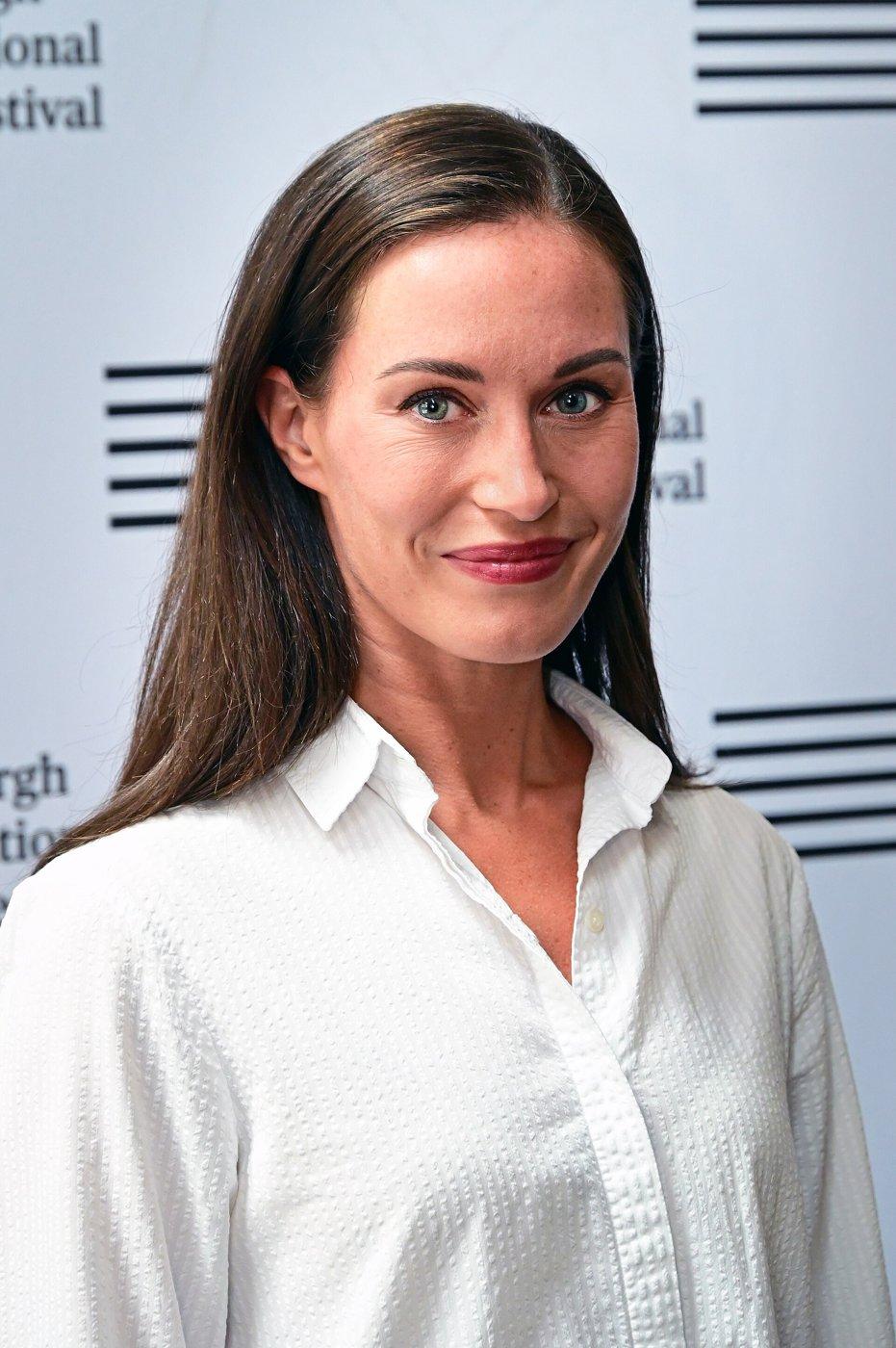
Natalie Portman.

Actor · Director · Oscar winner

From Léon and Star Wars to Black Swan and May December, Portman has combined intellectual rigor with demanding character work. Explore the personality framework behind her artistic choices.

OBJECTIVE PERSONALITY CLASSIFICATIONFF-Fi/Se-CP/S(B)What does this mean?
PERSONALITY SYSTEMObjective Personality
LEAD FUNCTIONFi · Introverted Feeling
SECOND SAVIOR FUNCTIONSe · Extroverted Sensing
MBTI EQUIVALENTISFP
01 / BEHIND THE CLASSIFICATION

The personality behind the fame.

How does a recorded OPS classification like FF-Fi/Se-CP/S(B) break down? Walk through nine coins and watch the proposed type take shape. These are deductions from the archived code, not independent evidence of typing accuracy.

Scroll below to see Natalie Portman take shape.

STARTING POINT512 possible OPS typesEach type combines core functions, an animal order, and sexual modalities.
THE FINISH LINEFF-Fi/Se-CP/S(B)One recorded classification, decoded from its components.
Natalie Portman’s HUMAN NEEDS 01—03
01
DECIDER OR OBSERVER?

Decider over Observer

Deciders have more balanced Observer poles in the middle: Control (Oi) and Chaos (Oe). Organizing what's known and handling what's new tend to feel more manageable. People are the harder territory. Self (Di) and Tribe (De) sit at the extremes, so judgment, rejection, approval, and conflict can trigger the strongest reactions.

She navigated fame from childhood, later speaking about sexualization and the struggle to be taken seriously in Hollywood. She also used her platform for women's rights and industry change. The Decider tension is between defining yourself and being defined by other people.

D
02
SELF OR TRIBE?

Di · Self over De · Tribe

Self (Di) is the stronger deciding pole. They check decisions against their own values or reasons first: what makes sense to me, what feels right to me? The strength is independent conviction; the recurring friction is the Tribe (De)—other people's standards, feedback, and expectations. As the portrait unfolds, notice how Self takes the lead.

She has spoken out about objectification and unequal treatment in Hollywood, setting boundaries around how she wants to be seen. Di's strength is defining your own standards; the friction is resisting an industry accustomed to defining them for you. Under pressure, this OPS pattern suggests Natalie Portman may neglect outside feedback and other people's needs. Greater balance comes from listening to the Tribe while retaining an independent viewpoint.

Di
03
GATHER OR ORGANIZE?

Oe · Gather over Oi · Organize

Gather (Oe) leads with new information, experiences, and possibilities. Its strength is curiosity and adaptability; the recurring friction is narrowing the options and settling into what is already known. Another layer of the personality portrait comes into focus.

She has explored acting, directing, producing, and advocacy across mainstream and independent projects. That breadth is the advantage of Gather: it creates room to explore a new direction rather than repeating an old formula. But the same openness can make deciding what not to pursue the harder part. Under pressure, this OPS pattern suggests Natalie Portman may neglect consistency, narrowing options, and following a settled plan. Greater balance comes from organizing what is already known and committing to a direction.

Oe
FIRST THREE COINSD + Di + Oe

These establish the preferred human needs in the OPS framework.

Natalie Portman’s FUNCTIONS 04—05
04
FEELING OR THINKING?

Feeling · F over Thinking · T

Feeling (F) evaluates decisions through values, meaning, and what matters—not simply through emotion. Its strength is a clear sense of significance; Thinking (T) provides balance through impersonal reasons, consistency, and evidence. Combined with Self (Di), this forms the recorded Savior Fi.

She has pursued education, advocacy, and creative projects that reflect her interests. Through a Feeling lens, the meaningful part of the decision carries weight beyond its practical payoff. Conviction can be a powerful creative engine, but it does not automatically settle the impersonal tradeoffs. Under pressure, this OPS pattern suggests Natalie Portman may neglect impersonal criteria, consistency, and evidence. Greater balance comes from evaluating the facts alongside personal or shared values.

F → Fi
05
SENSING OR INTUITION?

Sensing · S over Intuition · N

Sensing (S) focuses on concrete details, observable reality, and lived experience. Intuition (N) balances it by looking for broader patterns, concepts, and implications. Combined with Gather (Oe), this gives the recorded Savior Se.

Her performances often rely on exact physical detail, including demanding dance preparation for Black Swan. Sensing (S) attends to tangible execution. A Sensing preference makes the tangible details especially important: what can be seen, heard, tested, or experienced directly. The risk is becoming so absorbed in what is immediately available that the broader interpretation gets less attention. Under pressure, this OPS pattern suggests Natalie Portman may neglect the wider pattern, underlying meaning, and future possibilities. Greater balance comes from stepping beyond immediate facts to consider the bigger picture.

S → Se
THE TWO SAVIOR FUNCTIONSFi / Se

Opposing functions: Te and Ni.

Natalie Portman’s ANIMAL STACK 06—07
06
CONSUME OR BLAST?

Consume over Blast

Consume gathers information for internal processing; Blast organizes and communicates information. The recorded order is Consume → Play → Sleep → Blast. This comparison follows their positions in that stack.

Her career includes acting, directing, education, and advocacy. Consume leads the information exchange: taking in perspectives, studying material, and building an understanding before presenting it. The difficult move is deciding when there is enough information to communicate a conclusion. Under pressure, this OPS pattern suggests Natalie Portman may neglect communicating conclusions before gathering more information. Greater balance comes from organizing insights into a clear message and sharing it.

C > B
07
PLAY OR SLEEP?

Play over Sleep

Play emphasizes external real-time engagement; Sleep emphasizes internal processing. The recorded stack places Play earlier.

Portman helped found Angel City FC, joining an ownership group that had to turn the idea of a Los Angeles women’s soccer team into a working club. Natalie's public work offers a window into the difference between interacting in real time and stepping back to process. In this OPS stack, Play comes before Sleep: engagement, experimentation, and responding to other people have priority over private consolidation. The strength is momentum and feedback from the world; the neglected side can be rest, internal clarity, and time to digest experiences. Universal balance means allowing reflection to catch up with action.

P > S
Natalie Portman’s ANIMAL ORIENTATION 08—09
08
INFO OR ENERGY DOMINANT?

Energy over Info

Energy dominant means Play and Sleep are both in the top three: there is access to expending energy through engagement and conserving it through internal processing. Blast last leaves the information side uneven—Consume may gather far more than gets communicated.

Portman completed a psychology degree at Harvard during the years she was acting in the Star Wars prequels. This OPS stack is Energy dominant: Play and Sleep both sit in the top three, supporting both outward engagement and private recovery. With Blast last, the information side is less balanced. Consume can gather and process far more than gets organized and communicated to others. The growth edge is practicing Blast intentionally, rather than treating a public career as evidence of an animal preference.

Energy
09
INTROVERSION OR EXTROVERSION?

Introversion over Extroversion

The last animal, Blast, determines this OPS coin: Play or Blast last means Introversion; Consume or Sleep last means Extroversion. This describes animal orientation, not sociability or shyness.

Portman wrote and directed A Tale of Love and Darkness, making her feature directorial debut with a Hebrew-language adaptation. Natalie's OPS Introversion is defined by Blast coming last in the animal stack—not by being quiet, private, or uncomfortable on stage. This order suggests the more demanding edge lies in organizing and broadcasting conclusions to others. The strength is directing energy toward preferred modes of processing; under pressure, the last animal can be postponed. Universal balance means practicing that last animal without treating public charisma as proof of extroversion.

I
Sexual Modalities

The four sexual modalities.

OPS uses masculine/feminine sensory and extroverted-deciding distinctions as framework-specific terms, not gender categories. The four modalities are already included in the original 512 types. The recorded modality is FF · Tester.

MM KinestheticMasculine Sensory · Masculine De
MF AudioMasculine Sensory · Feminine De
FF RECORDED MODALITYTesterFeminine Sensory · Feminine De
FM VisualFeminine Sensory · Masculine De
COMPLETE RECORDED OPS TYPE · MODALITY INCLUDEDFF-Fi/Se-CP/S(B)

Fi leads, Se supports, and the animal stack is Consume → Play → Sleep → Blast.

THE FINISHED PORTRAIT · ALL NINE COINS REVEALED

Natalie Portman's complete function and animal stack

ConsumePlaySleepBlastmFifSemNifTe
FF-Fi/Se-CP/S(B)DOUBLE ACTIVATED · CONSUMEExplore the Interactive Coin Builder →
THE NATALIE PORTMAN LENS

Intellect at the edge of obsession

Black Swan and Jackie put Portman inside characters carrying extreme psychological and public pressure. Her precise performances can make discipline feel both empowering and dangerous.

Black Swan and Jackie showcase formidable precision, and her public advocacy extends beyond film. Her strength is disciplined intelligence; the shadow is the strain of sustaining exacting standards in both art and public life.

Natalie's Fi Savior points toward personal values and individual conviction. That strength can also become the reflex that gets overused when pressure rises. As a Single Decider, the sharper pressure point is navigating Self versus Tribe: how much to trust a personal position when other people disagree, criticize, or demand something different. The neglected Te side calls for using external evidence, explicit expectations, and measurable outcomes instead of relying only on personal certainty. Greater balance means practicing that less-preferred territory rather than pushing the dominant instinct harder.

Natalie's animal stack (Consume → Play → Sleep → Blast) offers another pressure test. Consume comes naturally first, while Blast sits last. In practical terms, balance would mean learning to put private conclusions into words and make them available for scrutiny. That is the uncomfortable growth edge worth looking for—not another flattering description of a strength.

Want to understand the Savior and Demon states behind these nine coins? Explore the complete explanation, visual examples, and typing principles on our Methodology page →

02 / KEEP EXPLORING

Different faces. Familiar patterns.

Explore other celebrities with related recorded OPS classifications. Related functions are not necessarily exact type matches.

Discover Type Twins
YOUR TURN

Curious about your own type?

Discover how your own personality might be classified through Objective Personality.

Get objectively typed
Natalie Portman's Personality Type & OPS Profile | The Personality Atlas