Observer over Decider
Observers have more balanced Decider poles in the middle: Self (Di) and Tribe (De). Their own perspective and other people's perspectives tend to be easier to navigate. Things are the harder territory. Control (Oi) and Chaos (Oe) sit at the extremes, so disrupted plans, uncertainty, and a changing world can trigger the strongest reactions.
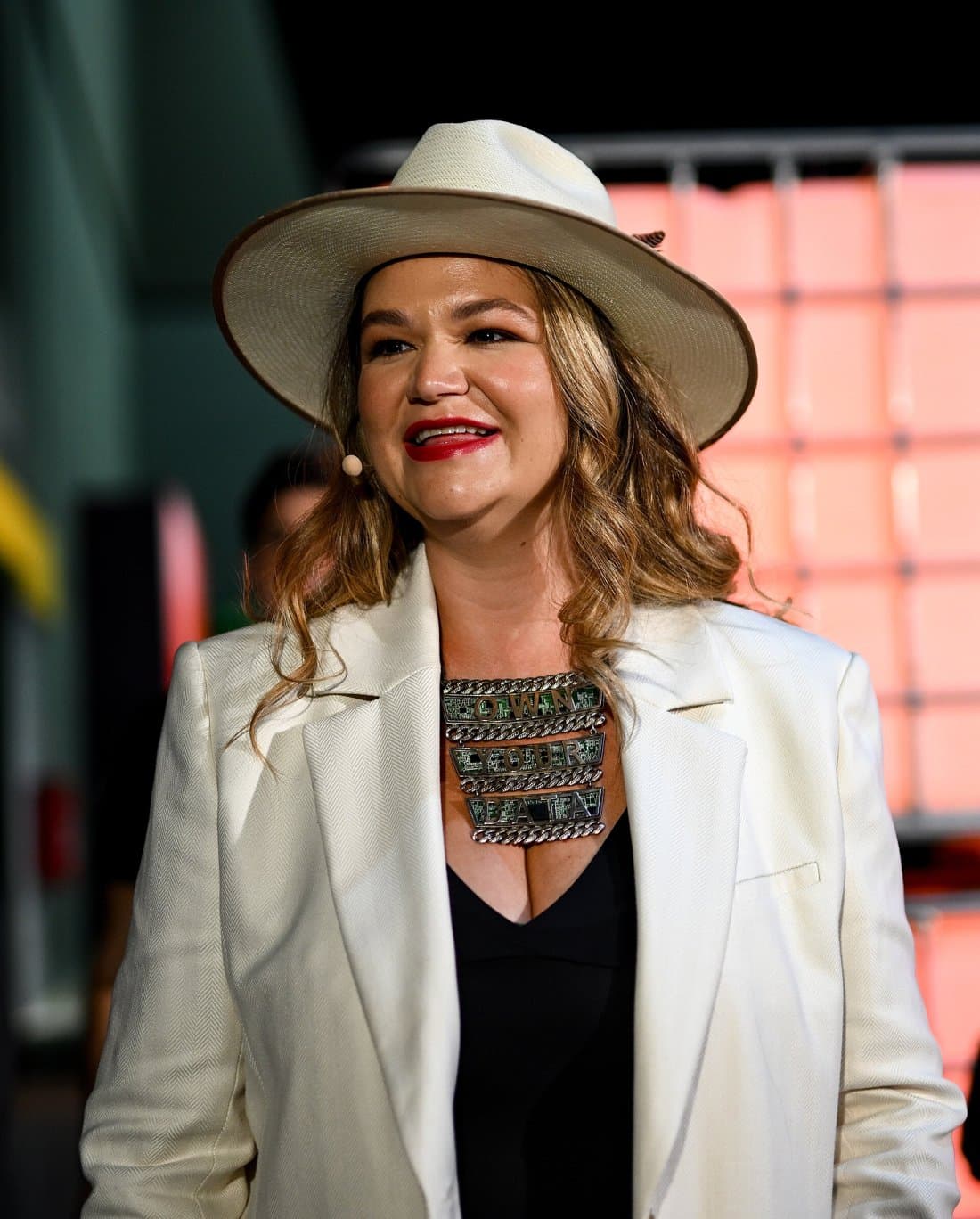
Peterson’s public story is full of stubborn physical variables: childhood arthritis, joint replacements at 17, celiac disease, relocation, then a later CIRS diagnosis that pushed her into mold research and biotoxin.com. That pattern reads more like a battle with conditions than with social belonging. An Observer lens keeps returning to the environment, the body, the concrete factor that might finally explain the problem. The strength is practical adaptability under harsh circumstances. The blind spot is believing the next controllable variable will remove uncertainty, when reality often stays messier than any single fix.