The Personality Atlas
THE CELEBRITY PERSONALITY ARCHIVE / MUSIC & DESIGN

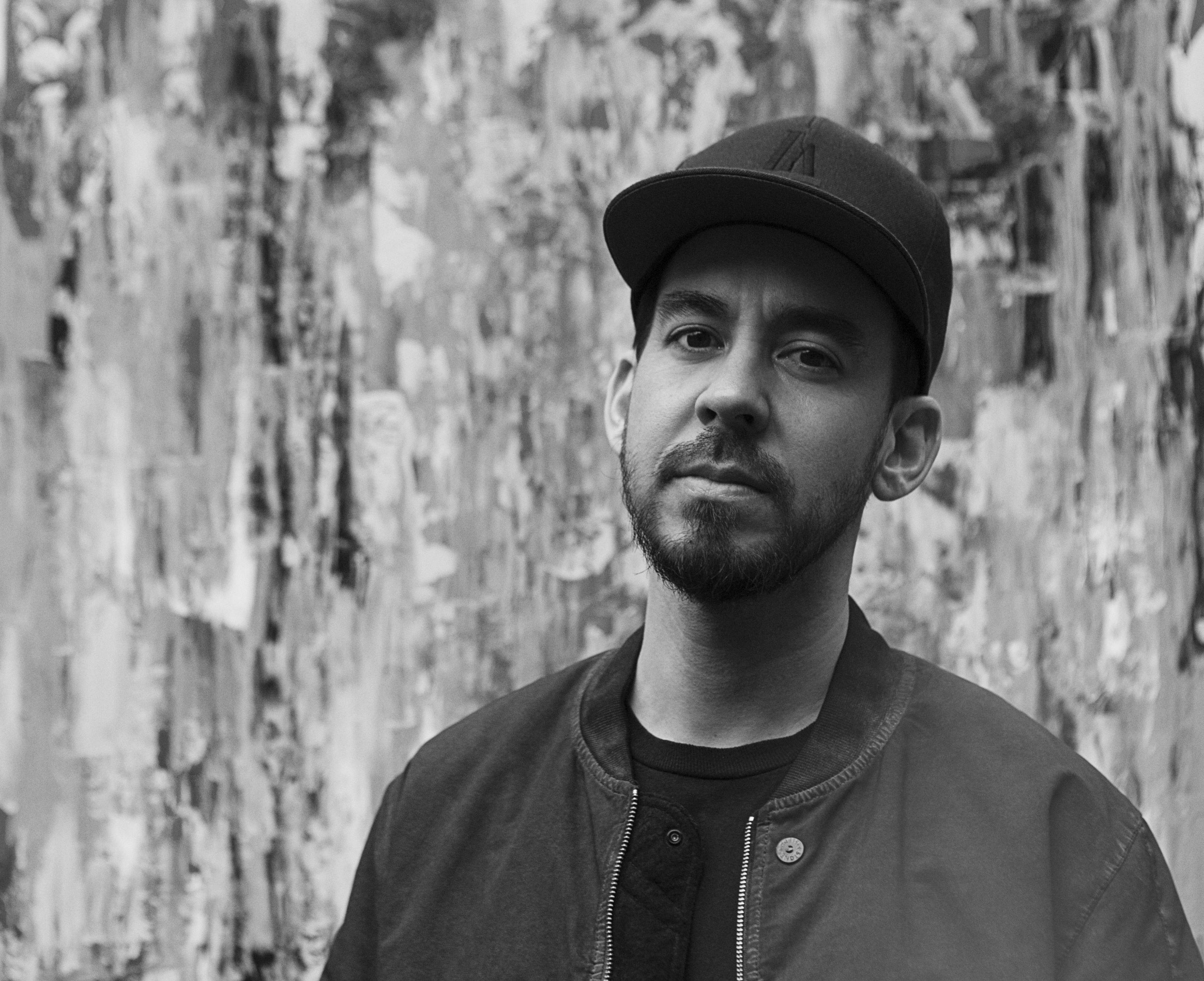
Mike Shinoda.

Musician · Producer · Graphic Designer

Mike Shinoda built Linkin Park from bedroom demos into one of the defining bands of the 2000s, then kept widening the frame as producer, designer, label co-founder and solo artist. The public image is polished and versatile; the throughline is a creator who keeps turning personal authorship and fresh possibility into complete systems.

OBJECTIVE PERSONALITY CLASSIFICATIONFF-Fi/Ne-CP/B(S)What does this mean?
PERSONALITY SYSTEMObjective Personality
LEAD FUNCTIONFi · Introverted Feeling
SECOND SAVIOR FUNCTIONNe · Extroverted Intuition
MBTI EQUIVALENTINFP
01 / BEHIND THE CLASSIFICATION

The personality behind the fame.

How does a recorded OPS classification like FF-Fi/Ne-CP/B(S) break down? Walk through nine coins and watch the proposed type take shape. These are deductions from the archived code, not independent evidence of typing accuracy.

Scroll below to see Mike Shinoda take shape.

STARTING POINT512 possible OPS typesEach type combines core functions, an animal order, and sexual modalities.
THE FINISH LINEFF-Fi/Ne-CP/B(S)One recorded classification, decoded from its components.
Mike Shinoda’s HUMAN NEEDS 01—03
01
DECIDER OR OBSERVER?

Decider over Observer

Deciders have more balanced Observer poles in the middle: Control (Oi) and Chaos (Oe). Organizing what's known and handling what's new tend to feel more manageable. People are the harder territory. Self (Di) and Tribe (De) sit at the extremes, so judgment, rejection, approval, and conflict can trigger the strongest reactions.

Shinoda’s career keeps circling high-stakes human significance. Linkin Park was never a one-man project: he co-founded the band, shared vocal space with Chester Bennington, and after Bennington’s death later returned under his own name with Post Traumatic. That pattern fits a Decider tension more than a pure circumstances problem. The pressure point is what people mean, what a partnership carries, and how to keep creating when a relationship changes the whole frame. The strength is staying productive inside emotionally loaded collaborations. The cost is that people issues can outweigh simpler practical decisions.
D
02
SELF OR TRIBE?

Di · Self over De · Tribe

Self (Di) is the stronger deciding pole. They check decisions against their own values or reasons first: what makes sense to me, what feels right to me? The strength is independent conviction; the recurring friction is the Tribe (De)—other people's standards, feedback, and expectations. As the portrait unfolds, notice how Self takes the lead.

When Shinoda launched Fort Minor, he explained that he wanted the album title rather than his own name on the cover so people would focus on the music, not him. That is a useful Self-first example: an internal standard deciding what the project should be, even when his own brand could have made marketing easier. The strength is authorship. He can unify rap, design, production and branding around a standard he believes in. The blind spot is that a privately clear standard can become so convincing that outside buy-in, confusion or alternate priorities get handled later.

Di
03
GATHER OR ORGANIZE?

Oe · Gather over Oi · Organize

Gather (Oe) leads with new information, experiences, and possibilities. Its strength is curiosity and adaptability; the recurring friction is narrowing the options and settling into what is already known. Another layer of the personality portrait comes into focus.

His resume rarely sits still. Shinoda moved from Linkin Park records to Fort Minor, remix albums, producing Lupe Fiasco and the X-Ecutioners, scoring projects, gallery shows, and home-studio CoronaJams that turned into three Dropped Frames releases. Gather-first shows up in that willingness to keep opening fresh lanes instead of protecting one settled formula. The advantage is obvious: another medium or collaboration becomes raw material, not a threat. The growth cost is selectivity. A creator with this many viable options still has to decide which possibility deserves the next season of his life.

Oe
FIRST THREE COINSD + Di + Oe

These establish the preferred human needs in the OPS framework.

Mike Shinoda’s FUNCTIONS 04—05
04
FEELING OR THINKING?

Feeling · F over Thinking · T

Feeling (F) evaluates decisions through values, meaning, and what matters—not simply through emotion. Its strength is a clear sense of significance; Thinking (T) provides balance through impersonal reasons, consistency, and evidence. Combined with Self (Di), this forms the recorded Savior Fi.

Fi gives Shinoda’s work its inner owner. You can hear it in Fort Minor’s "Kenji," where he centered a Japanese-American internment story, and you can see it in the way he has spoken about recognizing the difference between being Japanese and Japanese-American after college and touring in Japan. Feeling here is not softness; it is valuation. The strength is making work that carries a personal standard instead of generic sentiment. The blind spot is that what feels deeply true to him does not automatically answer the harder external questions of consensus, proof, or how others will weigh the same material.

F → Fi
05
SENSING OR INTUITION?

Intuition · N over Sensing · S

Intuition (N) focuses on concepts, patterns, and what information might mean. Sensing (S) balances it through observable facts, physical detail, and direct experience. Combined with Gather (Oe), this gives the recorded Savior Ne.

Ne helps explain why Shinoda so often hears a second version inside the first one. He did not stop at being Linkin Park’s rapper; he kept becoming a producer, remixer, side-project architect, score collaborator and visual designer. Reanimation, Collision Course and his later soundtrack work all show that intuition-driven habit of asking what else a piece could become. The strength is conceptual range. He can reframe material before other people even see the opening. The cost is that possibility multiplies faster than time, and the most interesting next version can compete with finishing the current one.

N → Ne
THE TWO SAVIOR FUNCTIONSFi / Ne

Opposing functions: Te and Si.

Mike Shinoda’s ANIMAL STACK 06—07
06
CONSUME OR BLAST?

Consume over Blast

Consume gathers information for internal processing; Blast organizes and communicates information. The recorded order is Consume → Play → Blast → Sleep. This comparison follows their positions in that stack.

Between Consume and Blast, Consume clearly arrives earlier. Shinoda’s public career started with building: bedroom demos for Xero, engineering and producing Linkin Park material, studying illustration at Art Center, and absorbing enough technique to handle music, visuals and packaging himself. That front-loaded intake is a serious strength. He usually has something real to draw from before he speaks. The weakness is familiar to skilled multipotential creators: more research, more references and more refinement can keep looking responsible even after the project is ready for a simpler, clearer conclusion that other people can immediately follow.

C > B
07
PLAY OR SLEEP?

Play over Sleep

Play emphasizes external real-time engagement; Sleep emphasizes internal processing. The recorded stack places Play earlier.

Play also lands earlier than Sleep. Shinoda’s work keeps pulling him into live exchange: co-leading a band, producing with collaborators, bringing in guest artists from Jay-Z to Lupe Fiasco, and even inviting fans to appear in a 2018 video shoot. That earlier Play gives him range in motion, not just in isolation. The strength is responsiveness; other people become catalysts, not interruptions. The cost is that constant engagement can outrun slow internal settling. A project may keep moving publicly while the quieter work of fully processing it gets pushed to later again.

P > S
Mike Shinoda’s ANIMAL ORIENTATION 08—09
08
INFO OR ENERGY DOMINANT?

Info over Energy

Info dominant means Consume and Blast are both in the top three: gathering and communicating information are more balanced. Sleep last leaves the energy side uneven—Play can keep engagement going without enough private recovery.

Info dominance fits how often Shinoda turns intake into shareable form. He gathers technique, references and collaborators, then converts that material into songs, remix albums, label projects, artwork, livestreams and production decisions other people can actually use. The 2020 CoronaJams-to-Dropped Frames pipeline is a vivid example: home-studio experimentation quickly became released output. The strength is informational throughput. He does not just learn; he packages and transmits. The missing balance is not another source of input. It is protected internal recovery, the offstage pause where experience stops being content long enough to consolidate into something less immediate and more durable.

Info
09
INTROVERSION OR EXTROVERSION?

Extroversion over Introversion

The last animal, Sleep, determines this OPS coin: Play or Blast last means Introversion; Consume or Sleep last means Extroversion. This describes animal orientation, not sociability or shyness.

Sleep comes last in Consume → Play → Blast → Sleep, which gives the final coin as OPS Extroversion. That does not mean "most sociable person in the room." It means outward information and engagement outrank prolonged private processing. Shinoda’s public life makes that readable: band leadership, guest-heavy side projects, label work, livestream creation and repeated reinventions all keep moving through contact with material and people. The strength is momentum after change. The blind spot is subtler. If Sleep stays last, the inner sorting can lag behind the output, and clarity may arrive after the release date instead of before it.

E
Sexual Modalities

The four sexual modalities.

OPS uses masculine/feminine sensory and extroverted-deciding distinctions as framework-specific terms, not gender categories. The four modalities are already included in the original 512 types. The recorded modality is FF · Tester.

MM KinestheticMasculine Sensory · Masculine De
MF AudioMasculine Sensory · Feminine De
FF RECORDED MODALITYTesterFeminine Sensory · Feminine De
FM VisualFeminine Sensory · Masculine De
COMPLETE RECORDED OPS TYPE · MODALITY INCLUDEDFF-Fi/Ne-CP/B(S)

Fi leads, Ne supports, and the animal stack is Consume → Play → Blast → Sleep.

THE FINISHED PORTRAIT · ALL NINE COINS REVEALED

Mike Shinoda's complete function and animal stack

ConsumePlayBlastSleepmFimNefSifTe
FF-Fi/Ne-CP/B(S)DOUBLE ACTIVATED · PLAYExplore the Interactive Coin Builder →
THE MIKE SHINODA LENS

The systems-builder behind the calm surface.

Linkin Park’s origin story starts in a bedroom, but Shinoda never stayed the guy in the bedroom. He became co-lead vocalist, producer, designer, label builder and, later, a solo artist who turned public grief into Post Traumatic. The polished competence is real; so is the restless creator underneath it, always redesigning the container as much as the song.

His Fi/Ne savior pairing is unusually good at giving work both authorship and reinvention. Fi protects the personal standard; Ne keeps spotting a new angle, format or collaboration. That is why his catalog can move from Kenji to Collision Course to gallery work without feeling anonymous. The limit is drift: a strong inner compass and endless options still need external narrowing.

Shinoda is a Decider and, by Atlas pairing, a Double Observer. The core imbalance is human significance: self, tribe, loyalty, interpretation, and the weight people carry in the story. That can make circumstances look manageable while people questions stay loaded. The neglected function opposite his lead savior is Te, the impersonal metric that asks for direct standards, measurable priorities and cleaner external execution.

Consume → Play → Blast → Sleep gives him fast intake, active collaboration and usable output before sustained private consolidation. With Sleep last, the risk is not laziness but postponing the quieter internal reset until after the work, the tour or the next reinvention is already underway. Keep the versatility and the authorship; add deliberate offstage blocks to process before committing the next release plan.

Want to understand the Savior and Demon states behind these nine coins? Explore the complete explanation, visual examples, and typing principles on our Methodology page →

02 / KEEP EXPLORING

Different faces. Familiar patterns.

Explore other celebrities with related recorded OPS classifications. Related functions are not necessarily exact type matches.

Discover Type Twins
YOUR TURN

Curious about your own type?

Discover how your own personality might be classified through Objective Personality.

Get objectively typed
Mike Shinoda's Personality Type & OPS Profile | The Personality Atlas