The Personality Atlas
THE CELEBRITY PERSONALITY ARCHIVE / FILM & TELEVISION

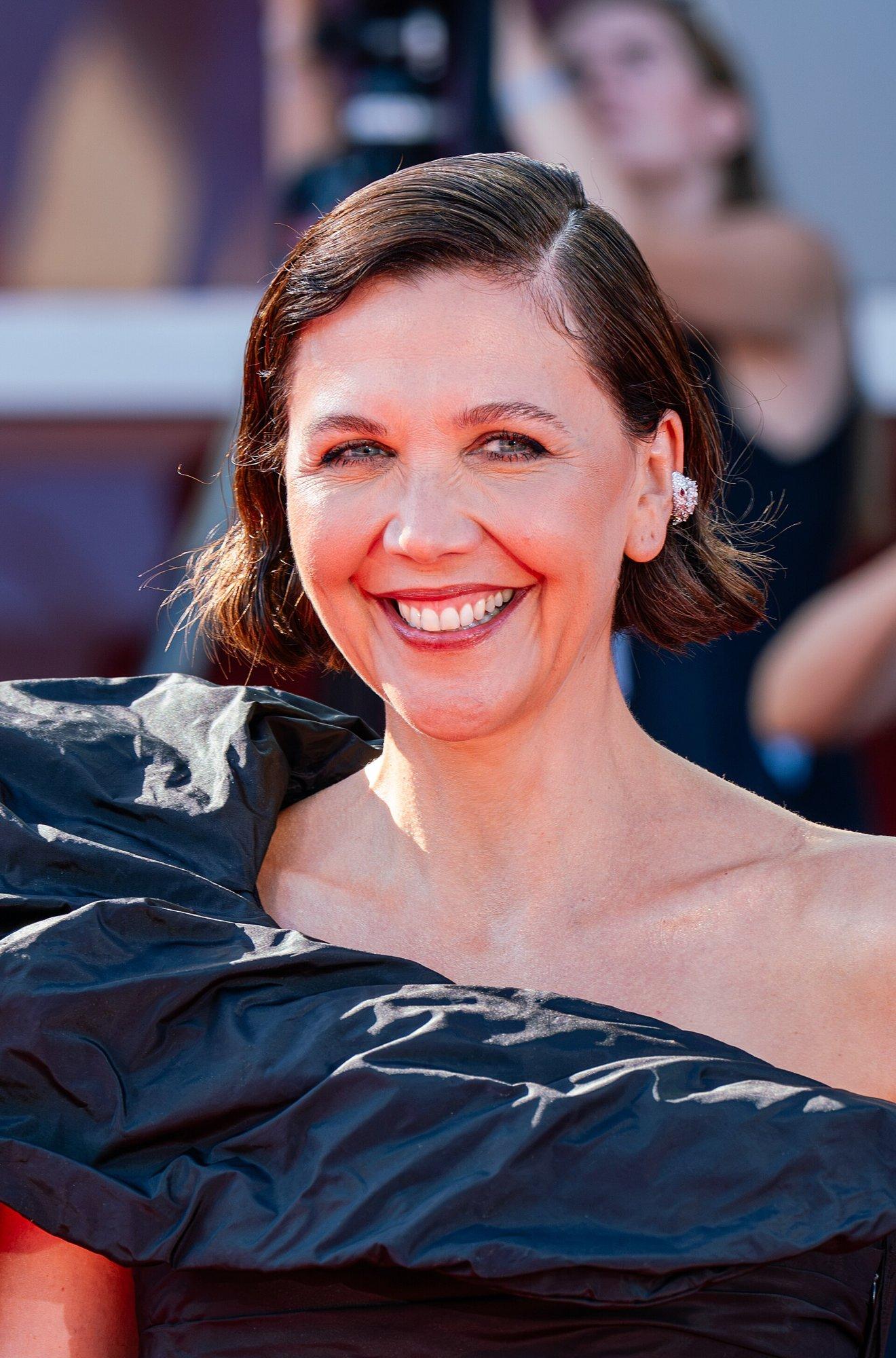
Maggie Gyllenhaal.

Actor · Writer-Director · Producer

Maggie Gyllenhaal has built a career from material that could easily go slack or sensational: the indie shock of Secretary, studio visibility in The Dark Knight, awards recognition for Crazy Heart and The Honourable Woman, and then the pivot into writing and directing with The Lost Daughter. Her public signature is not chaos. It is control—finding the exact moral frame, tone and texture that lets difficult work hold together without going mushy.

OBJECTIVE PERSONALITY CLASSIFICATIONFF-Si/Fe-BS/C(P)What does this mean?
PERSONALITY SYSTEMObjective Personality
LEAD FUNCTIONSi · Introverted Sensing
SECOND SAVIOR FUNCTIONFe · Extroverted Feeling
MBTI EQUIVALENTISFJ
01 / BEHIND THE CLASSIFICATION

The personality behind the fame.

How does a recorded OPS classification like FF-Si/Fe-BS/C(P) break down? Walk through nine coins and watch the proposed type take shape. These are deductions from the archived code, not independent evidence of typing accuracy.

Scroll below to see Maggie Gyllenhaal take shape.

STARTING POINT512 possible OPS typesEach type combines core functions, an animal order, and sexual modalities.
THE FINISH LINEFF-Si/Fe-BS/C(P)One recorded classification, decoded from its components.
Maggie Gyllenhaal’s HUMAN NEEDS 01—03
01
DECIDER OR OBSERVER?

Observer over Decider

Observers have more balanced Decider poles in the middle: Self (Di) and Tribe (De). Their own perspective and other people's perspectives tend to be easier to navigate. Things are the harder territory. Control (Oi) and Chaos (Oe) sit at the extremes, so disrupted plans, uncertainty, and a changing world can trigger the strongest reactions.

Gyllenhaal’s career keeps returning to situations where the strain is in the conditions themselves: whether Secretary could be framed intelligently, whether a literary adaptation like The Lost Daughter could survive translation to film, whether a risky follow-up like The Bride! would land at all. That reads more like pressure around context, uncertainty and setup than a life organized mainly around personal approval. The strength is composure inside complicated terrain. The blind spot is trying to master uncertainty by tightening the frame. Growth costs her the comfort of waiting until every variable feels properly contained.
O
02
SELF OR TRIBE?

De · Tribe over Di · Self

Tribe (De) is the stronger deciding pole. They check decisions against people, shared standards, and what works for the group: what do we need, what will others think? The strength is coordination and responsiveness; the recurring friction is the Self (Di)—knowing and defending their own position. As the portrait unfolds, notice how Tribe takes the lead.

When she took Secretary, she did not just ask whether she personally liked the part. She worried about what the film might communicate, then joined only after carefully discussing the script with Steven Shainberg. She spoke similarly about Rachel Dawes in The Dark Knight, emphasizing the character’s clarity about what mattered and her refusal to compromise her morals. That tribe-first orientation is a strength: it keeps the work socially legible and ethically framed. The blind spot is over-carrying responsibility for impact. Growth costs her by requiring choices before every reaction can be managed.

De
03
GATHER OR ORGANIZE?

Oi · Organize over Oe · Gather

Organize (Oi) leads with refining, preserving, and structuring what is already known. Its strength is preparation and clear direction; the recurring friction is unexpected change that disrupts the plan. Another layer of the personality portrait comes into focus.

Her filmography is varied, but the deeper pattern is not novelty-chasing so much as shaping known material into a stable form: Chekhov onstage, Ferrante adapted into The Lost Daughter, a 1930s reworking in The Bride!, and a carefully built period world in The Deuce. Organize-first prefers a container that can be refined, inhabited and made coherent. The strength is continuity and structure. The blind spot is becoming over-invested in the frame that already works. Growth costs her the security of the well-built plan by asking her to stay open when a messier alternative appears.

Oi
FIRST THREE COINSO + De + Oi

These establish the preferred human needs in the OPS framework.

Maggie Gyllenhaal’s FUNCTIONS 04—05
04
FEELING OR THINKING?

Feeling · F over Thinking · T

Feeling (F) evaluates decisions through values, meaning, and what matters—not simply through emotion. Its strength is a clear sense of significance; Thinking (T) provides balance through impersonal reasons, consistency, and evidence. Combined with Tribe (De), this forms the recorded Savior Fe.

Fe shows up in how Gyllenhaal publicly talks about art as a social and moral exchange, not just a technical acting problem. Her concern that Secretary could say “something really weird” in less intelligent hands is classic Fe: attention to shared meaning, relational tone and the message a project sends beyond the set. That makes her strong at giving difficult material human shape instead of mere shock value. The void is over-monitoring reception. Growth asks her to tolerate that even carefully framed work will still be read differently by different people.

F → Fe
05
SENSING OR INTUITION?

Sensing · S over Intuition · N

Sensing (S) focuses on concrete details, observable reality, and lived experience. Intuition (N) balances it by looking for broader patterns, concepts, and implications. Combined with Organize (Oi), this gives the recorded Savior Si.

Si fits the grounded specificity of her public work. She repeatedly returns to literary adaptation, stage revivals, period pieces, accent work and character worlds that demand fidelity to texture rather than vague atmosphere. The Lost Daughter was not just a clever concept; it became a written, produced and directed object with a very definite shape. That is the strength of Sensing: make the material tangible, concrete and repeatable. The blind spot is leaning too hard on what is already proven. Growth costs her precedent by asking what new pattern exists beyond the trusted one.

S → Si
THE TWO SAVIOR FUNCTIONSSi / Fe

Opposing functions: Ne and Ti.

Maggie Gyllenhaal’s ANIMAL STACK 06—07
06
CONSUME OR BLAST?

Blast over Consume

Consume gathers information for internal processing; Blast organizes and communicates information. The recorded order is Blast → Sleep → Consume → Play. This comparison follows their positions in that stack.

Blast is the sharper fit than Consume when you look at how often Gyllenhaal moves toward a defined takeaway. She did not merely admire Elena Ferrante’s novella; she adapted The Lost Daughter into a film with a firm point of view and won Venice’s screenplay prize for that shaped delivery. Even in interviews, she tends to frame a role through what it means and why it matters. The strength is conclusion, direction and usable clarity. The blind spot is impatience with open-ended intake. Growth costs her certainty by making room for more unshaped material first.

B > C
07
PLAY OR SLEEP?

Sleep over Play

Play emphasizes external real-time engagement; Sleep emphasizes internal processing. The recorded stack places Sleep earlier.

With Sleep coming earlier than Play, her public pattern looks less like constant improvisational exchange and more like meaning being digested inwardly before it is released. She has said she is guarded about discussing Secretary, and her move into writing and directing suggests a preference for privately consolidating experience before presenting it. The strength is an internal center sturdy enough to survive a noisy industry. The blind spot is that live back-and-forth can arrive late, after the interpretation already feels settled. Growth costs privacy by inviting unfinished work into the room sooner.

S > P
Maggie Gyllenhaal’s ANIMAL ORIENTATION 08—09
08
INFO OR ENERGY DOMINANT?

Info over Energy

Info dominant means Consume and Blast are both in the top three: gathering and communicating information are more balanced. Play last leaves the energy side uneven—Sleep can conserve energy without enough spontaneous outward engagement.

Gyllenhaal’s stack lands on the Info side: taking in material and then packaging it into something communicable both sit above the loose social improvisation of the last animal. You can see that arc in the move from actor to producer, adapter and director—absorbing a novella like The Lost Daughter, then turning it into a finished message other people can receive. The strength is thoughtful, articulate output. The missing balance is spontaneous interaction. Growth costs efficiency by forcing more unplanned exchange before the final form hardens into something too complete to question.

Info
09
INTROVERSION OR EXTROVERSION?

Introversion over Extroversion

The last animal, Play, determines this OPS coin: Play or Blast last means Introversion; Consume or Sleep last means Extroversion. This describes animal orientation, not sociability or shyness.

This profile also codes OPS Introversion, and that does not mean shy, antisocial or unable to lead. Gyllenhaal has headlined films, fronted prestige television, presented Independent Lens and served on major festival juries. The point is structural: Play comes last, so outward improvisational engagement is less preferred than the earlier work of framing, processing and informing. Her strength is not being blown around by every room she enters. The blind spot is waiting too long to pressure-test an idea socially. Growth costs control by letting other people interrupt the pattern while it is still forming.

I
Sexual Modalities

The four sexual modalities.

OPS uses masculine/feminine sensory and extroverted-deciding distinctions as framework-specific terms, not gender categories. The four modalities are already included in the original 512 types. The recorded modality is FF · Tester.

MM KinestheticMasculine Sensory · Masculine De
MF AudioMasculine Sensory · Feminine De
FF RECORDED MODALITYTesterFeminine Sensory · Feminine De
FM VisualFeminine Sensory · Masculine De
COMPLETE RECORDED OPS TYPE · MODALITY INCLUDEDFF-Si/Fe-BS/C(P)

Si leads, Fe supports, and the animal stack is Blast → Sleep → Consume → Play.

THE FINISHED PORTRAIT · ALL NINE COINS REVEALED

Maggie Gyllenhaal's complete function and animal stack

BlastSleepConsumePlayfSifFemTimNe
FF-Si/Fe-BS/C(P)DOUBLE ACTIVATED · SLEEPExplore the Interactive Coin Builder →
THE MAGGIE GYLLENHAAL LENS

The frame is the point.

The public image can read as fearless complication: Secretary, The Honourable Woman, The Deuce, then The Lost Daughter as a writing-directing debut that arrived already fully formed. But the striking part is not recklessness. Again and again, Gyllenhaal shows the person behind the image by choosing difficult material only after finding the frame that can hold it.

Si/Fe gives her a distinctive strength: she can take charged human material and anchor it in precise, socially legible form. That is why her performances and directing often feel considered rather than merely provocative. The limit is that careful framing can become a burden. If the message must be responsibly held at every step, experimentation starts to feel ethically expensive.

As an Observer and Double Decider, she is dealing first with circumstances and context, not living primarily at war with every person’s opinion; and by the same Atlas pairing, she is not a Decider and Double Observer. The imbalance is toward securing the world before relaxing into open possibility. The neglected function opposite her lead savior Si is Ne.

Blast → Sleep → Consume → Play explains the final pressure point. Information and articulation come before spontaneous interaction, so Play last can leave real-time exchange as the uncomfortable stretch even for someone visibly accomplished in public. The useful balance is not becoming less exact. It is bringing collaborators in earlier—through table reads, rough cuts and sharper first-draft conversations—so the frame gets pressure-tested before it fully hardens.

Want to understand the Savior and Demon states behind these nine coins? Explore the complete explanation, visual examples, and typing principles on our Methodology page →

02 / KEEP EXPLORING

Different faces. Familiar patterns.

Explore other celebrities with related recorded OPS classifications. Related functions are not necessarily exact type matches.

Discover Type Twins
YOUR TURN

Curious about your own type?

Discover how your own personality might be classified through Objective Personality.

Get objectively typed
Maggie Gyllenhaal's Personality Type & OPS Profile | The Personality Atlas