The Personality Atlas
THE CELEBRITY PERSONALITY ARCHIVE / MUSIC

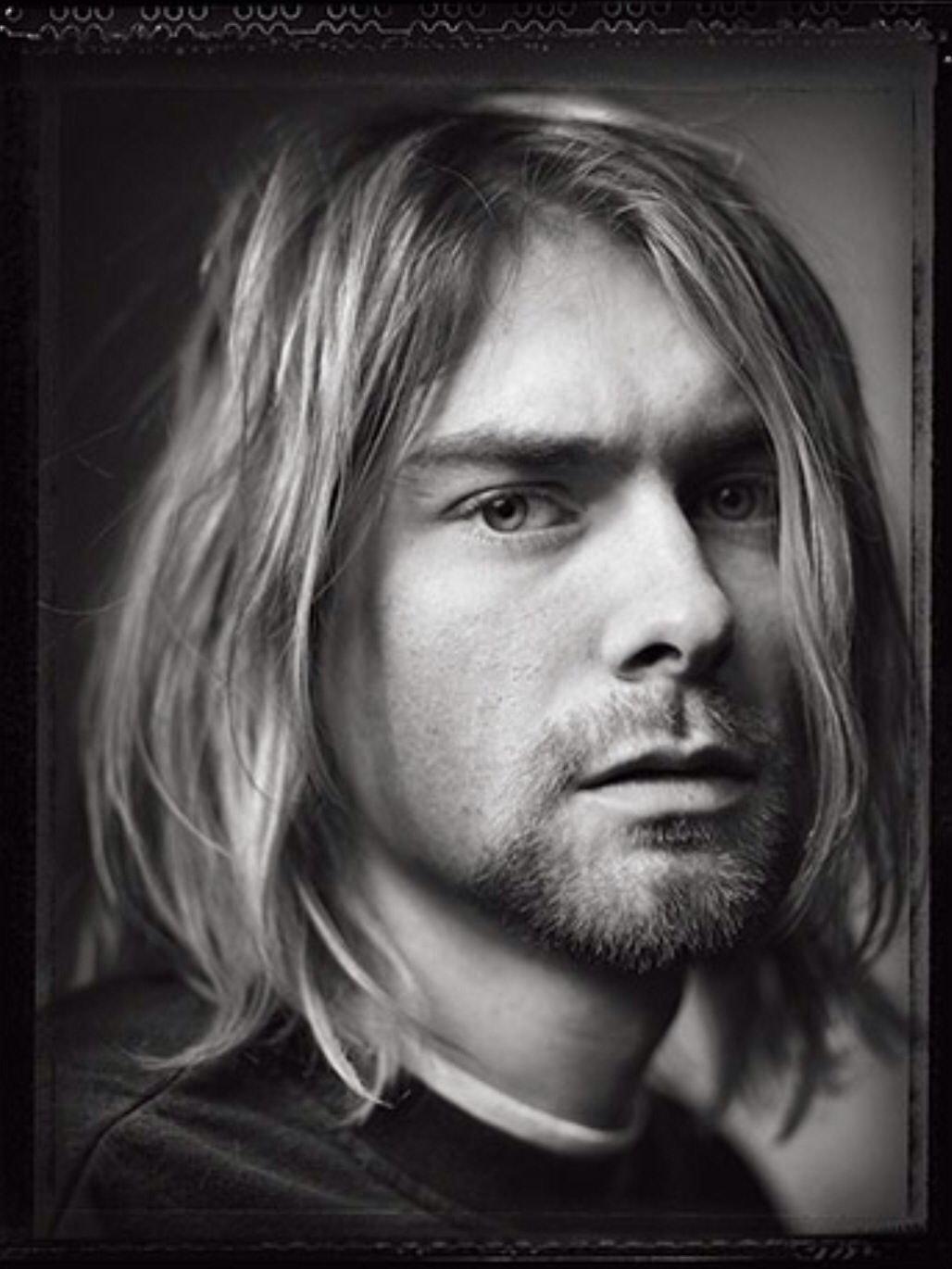
Kurt Cobain.

Musician · Songwriter · Nirvana frontman

Kurt Cobain dragged punk abrasion, wounded melody and anti-establishment suspicion into the center of popular culture. As Nirvana’s lead vocalist, guitarist and primary songwriter, he helped turn Nevermind into a commercial earthquake while remaining publicly uneasy with the spokesman status that success tried to pin on him.

OBJECTIVE PERSONALITY CLASSIFICATIONFM-Ni/Fe-BS/C(P) #3What does this mean?
PERSONALITY SYSTEMObjective Personality
LEAD FUNCTIONNi · Introverted Intuition
SECOND SAVIOR FUNCTIONFe · Extroverted Feeling
MBTI EQUIVALENTINFJ
01 / BEHIND THE CLASSIFICATION

The personality behind the fame.

How does a recorded OPS classification like FM-Ni/Fe-BS/C(P) #3 break down? Walk through nine coins and watch the proposed type take shape. These are deductions from the archived code, not independent evidence of typing accuracy.

Scroll below to see Kurt Cobain take shape.

STARTING POINT512 possible OPS typesEach type combines core functions, an animal order, and sexual modalities.
THE FINISH LINEFM-Ni/Fe-BS/C(P) #3One recorded classification, decoded from its components.
Kurt Cobain’s HUMAN NEEDS 01—03
01
DECIDER OR OBSERVER?

Observer over Decider

Observers have more balanced Decider poles in the middle: Self (Di) and Tribe (De). Their own perspective and other people's perspectives tend to be easier to navigate. Things are the harder territory. Control (Oi) and Chaos (Oe) sit at the extremes, so disrupted plans, uncertainty, and a changing world can trigger the strongest reactions.

When Nirvana exploded with “Smells Like Teen Spirit” and Nevermind, Cobain’s central problem was not simply whether people liked him. The bigger pressure was the scale and disorder of what suddenly happened around him: mainstream success, media fixation, and a cultural role he could not fully control. That is Observer friction with circumstances. The strength is obvious—he could turn a shifting world into songs that gave it shape. The blind spot is the cost of waiting for the outer situation to make sense before the inner pressure eases.

O
02
SELF OR TRIBE?

De · Tribe over Di · Self

Tribe (De) is the stronger deciding pole. They check decisions against people, shared standards, and what works for the group: what do we need, what will others think? The strength is coordination and responsiveness; the recurring friction is the Self (Di)—knowing and defending their own position. As the portrait unfolds, notice how Tribe takes the lead.

Cobain was publicly hailed as the voice of Generation X, yet he also pushed specific social positions into the open, backing gay rights and Rock for Choice and objecting to sexism, racism and homophobia. That points to Tribe over Self: a constant orientation toward the shared moral climate and how the larger group is treating people. The strength is social conscience with teeth. The blind spot is that outside misreadings can carry too much weight. Growth costs him the fantasy that everyone will receive the message in the spirit he intended.

De
03
GATHER OR ORGANIZE?

Oi · Organize over Oe · Gather

Organize (Oi) leads with refining, preserving, and structuring what is already known. Its strength is preparation and clear direction; the recurring friction is unexpected change that disrupts the plan. Another layer of the personality portrait comes into focus.

Even before fame, Cobain showed a narrowing instinct. He moved from scattered teenage influences into a more defined artistic lane, and once Nirvana clicked with Novoselic and later Grohl, the band’s identity became unusually unmistakable. Organize over Gather fits that compression. He was not trying every possible version forever; he kept distilling toward a singular sound and point of view. The advantage is coherence. The cost is that new options, alternate paths, or messier realities can feel like noise instead of useful material, especially once a vision has emotional force behind it.

Oi
FIRST THREE COINSO + De + Oi

These establish the preferred human needs in the OPS framework.

Kurt Cobain’s FUNCTIONS 04—05
04
FEELING OR THINKING?

Feeling · F over Thinking · T

Feeling (F) evaluates decisions through values, meaning, and what matters—not simply through emotion. Its strength is a clear sense of significance; Thinking (T) provides balance through impersonal reasons, consistency, and evidence. Combined with Tribe (De), this forms the recorded Savior Fe.

Cobain’s public advocacy is one of the clearest windows into Feeling, specifically Fe. He did not keep values sealed off as private taste; he pushed them into the shared space, from playing a gay rights benefit to openly opposing bigotry and supporting abortion rights. Fe’s strength is giving emotional and social stakes a public voice that other people can rally around. Its blind spot is that a morally charged message enters a crowd and stops belonging only to its author. Growth means tolerating that collective reactions will be mixed, distorted or unfinished.

F → Fe
05
SENSING OR INTUITION?

Intuition · N over Sensing · S

Intuition (N) focuses on concepts, patterns, and what information might mean. Sensing (S) balances it through observable facts, physical detail, and direct experience. Combined with Organize (Oi), this gives the recorded Savior Ni.

Intuition, specifically Ni, helps explain why Cobain’s songwriting hit with such concentrated force. Songs like “Smells Like Teen Spirit,” “Come as You Are,” “Lithium” and “All Apologies” did not just report events; they condensed mood, contradiction and cultural unease into memorable symbols and hooks. That is Ni’s strength: finding the through-line and making it feel inevitable. The blind spot is that broad meaning can start to outrank immediate reality. Growth costs him certainty that the larger interpretation is always more important than the concrete details in front of him.

N → Ni
THE TWO SAVIOR FUNCTIONSNi / Fe

Opposing functions: Se and Ti.

Kurt Cobain’s ANIMAL STACK 06—07
06
CONSUME OR BLAST?

Blast over Consume

Consume gathers information for internal processing; Blast organizes and communicates information. The recorded order is Blast → Sleep → Consume → Play. This comparison follows their positions in that stack.

Between Consume and Blast, Cobain’s edge shows up in Blast coming earlier. He was not mainly known for endless explanation or archival curiosity; he was known for taking influences, pressure and contradiction and turning them into direct, forceful output. Nirvana’s sudden breakthrough was carried by songs that landed like declarations, not footnotes. That is the strength of Blast: compression, delivery and impact. The blind spot is skipping the slower intake phase that might complicate the message. Growth means letting more raw material in before deciding the point has already been made.

B > C
07
PLAY OR SLEEP?

Sleep over Play

Play emphasizes external real-time engagement; Sleep emphasizes internal processing. The recorded stack places Sleep earlier.

After that outward push, Sleep comes earlier than Play. Cobain repeatedly turned experience inward and processed it into songs—his time with a devout Christian family fed “Lithium,” and the strain in his relationship with Tracy Marander informed “About a Girl.” The strength of Sleep over Play is that the work gets a strong internal center before it faces the crowd. The cost is that real-time exchange can arrive as friction rather than fuel. Growth means allowing more live collaboration before the privately refined version feels untouchable.

S > P
Kurt Cobain’s ANIMAL ORIENTATION 08—09
08
INFO OR ENERGY DOMINANT?

Info over Energy

Info dominant means Consume and Blast are both in the top three: gathering and communicating information are more balanced. Play last leaves the energy side uneven—Sleep can conserve energy without enough spontaneous outward engagement.

Cobain’s stack is Info-dominant, which fits a career built on taking in influences and then delivering a message with unusual force. The biography shows a kid absorbing the Beatles, punk, the Melvins, Lead Belly and more, then turning that intake into songs and public statements that changed mainstream rock. That Consume-plus-Blast balance is a real strength. The missing pressure sits in Play last: spontaneous back-and-forth is not the center of gravity. Growth costs him comfort, because information alone cannot replace the mess of live engagement with other minds in the room.

Info
09
INTROVERSION OR EXTROVERSION?

Introversion over Extroversion

The last animal, Play, determines this OPS coin: Play or Blast last means Introversion; Consume or Sleep last means Extroversion. This describes animal orientation, not sociability or shyness.

Cobain’s OPS Introversion does not disappear because he fronted one of the biggest bands in the world. In this system, the clue is Play landing last in Blast–Sleep–Consume–Play: public output and private processing come more naturally than sustained improvised engagement. That fits the contrast between a hugely visible performer and someone publicly uneasy with being cast as a generational spokesman. The strength is a concentrated inner signal. The blind spot is waiting until the message is already fixed before opening it to friction. Growth means inviting interaction earlier, not becoming less intense.

I
Sexual Modalities

The four sexual modalities.

OPS uses masculine/feminine sensory and extroverted-deciding distinctions as framework-specific terms, not gender categories. The four modalities are already included in the original 512 types. The recorded modality is FM · Visual.

MM KinestheticMasculine Sensory · Masculine De
MF AudioMasculine Sensory · Feminine De
FF TesterFeminine Sensory · Feminine De
FM RECORDED MODALITYVisualFeminine Sensory · Masculine De
ADDITIONAL LAYER · SOCIAL TYPE

The four social types.

Social types are an additional layer on top of the original Objective Personality classification, introduced later in OPS research. They describe two proposed social preference coins: Flex vs. Friends and Generalize vs. Specialize. The combination and priority of these preferences produce four social types. Kurt Cobain's recorded social type is #3.

SOCIAL #1 #1Flex · Generalize
SOCIAL #2 #2Generalize · Friends
SOCIAL #3 RECORDED SOCIAL TYPE#3Specialize · Flex
SOCIAL #4 #4Friends · Specialize
COMPLETE RECORDED OPS TYPE · MODALITY INCLUDED + SOCIAL TYPEFM-Ni/Fe-BS/C(P) #3

Ni leads, Fe supports, and the animal stack is Blast → Sleep → Consume → Play.

THE FINISHED PORTRAIT · ALL NINE COINS REVEALED

Kurt Cobain's complete function and animal stack

BlastSleepConsumePlaymNimFefTifSe
FM-Ni/Fe-BS/C(P) #3DOUBLE ACTIVATED · SLEEPExplore the Interactive Coin Builder →
THE KURT COBAIN LENS

The megaphone and the recoil

Nevermind and “Smells Like Teen Spirit” made Cobain look like a man born to detonate a culture. The public image was the generation’s spokesman; the supplied record shows something trickier: a songwriter who could pull underground punk instincts into mainstream rock while staying visibly uncomfortable with the mascot role success assigned him.

Ni with Fe is why the work landed so hard. Ni compressed a scattered early-1990s mood into sharp themes, while Fe gave him a read on what a crowd, a scene and a culture would react to. That pairing could make songs feel uncannily shared. Its limit is that public meaning can swell larger than the maker’s intended message.

As an Observer and Double Decider, Cobain’s recurring pressure sits less in people as such than in getting a stable handle on circumstances, chaos and the meaning of what is happening. The neglected function opposite his lead savior is Se: direct contact with immediate facts and present-tense reality. When that side is underused, the symbol or storyline can overtake the concrete situation.

Blast → Sleep → Consume → Play shows a man built to declare, retreat, study and only then improvise with the room. Play last does not erase his power onstage; it points to the cost of sustained unscripted engagement. A useful balance would keep the songwriting edge intact while widening the circle of real-time collaboration—letting trusted bandmates or producers pressure-test the message before it hardens.

Want to understand the Savior and Demon states behind these nine coins? Explore the complete explanation, visual examples, and typing principles on our Methodology page →

02 / KEEP EXPLORING

Different faces. Familiar patterns.

Explore other celebrities with related recorded OPS classifications. Related functions are not necessarily exact type matches.

Discover Type Twins
YOUR TURN

Curious about your own type?

Discover how your own personality might be classified through Objective Personality.

Get objectively typed
Kurt Cobain's Personality Type & OPS Profile | The Personality Atlas