The Personality Atlas
THE CELEBRITY PERSONALITY ARCHIVE / FILM, COMEDY & PODCASTING

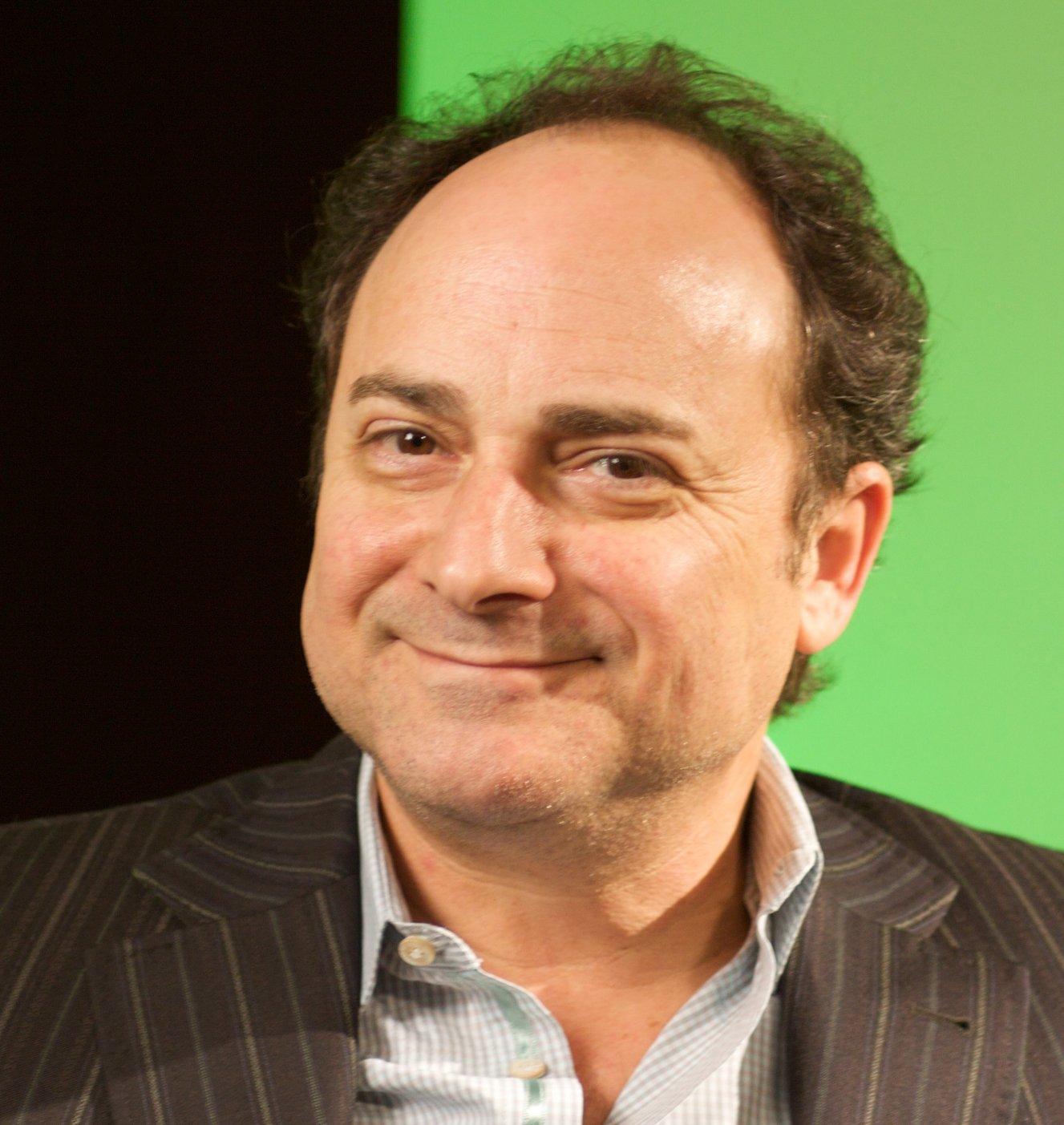
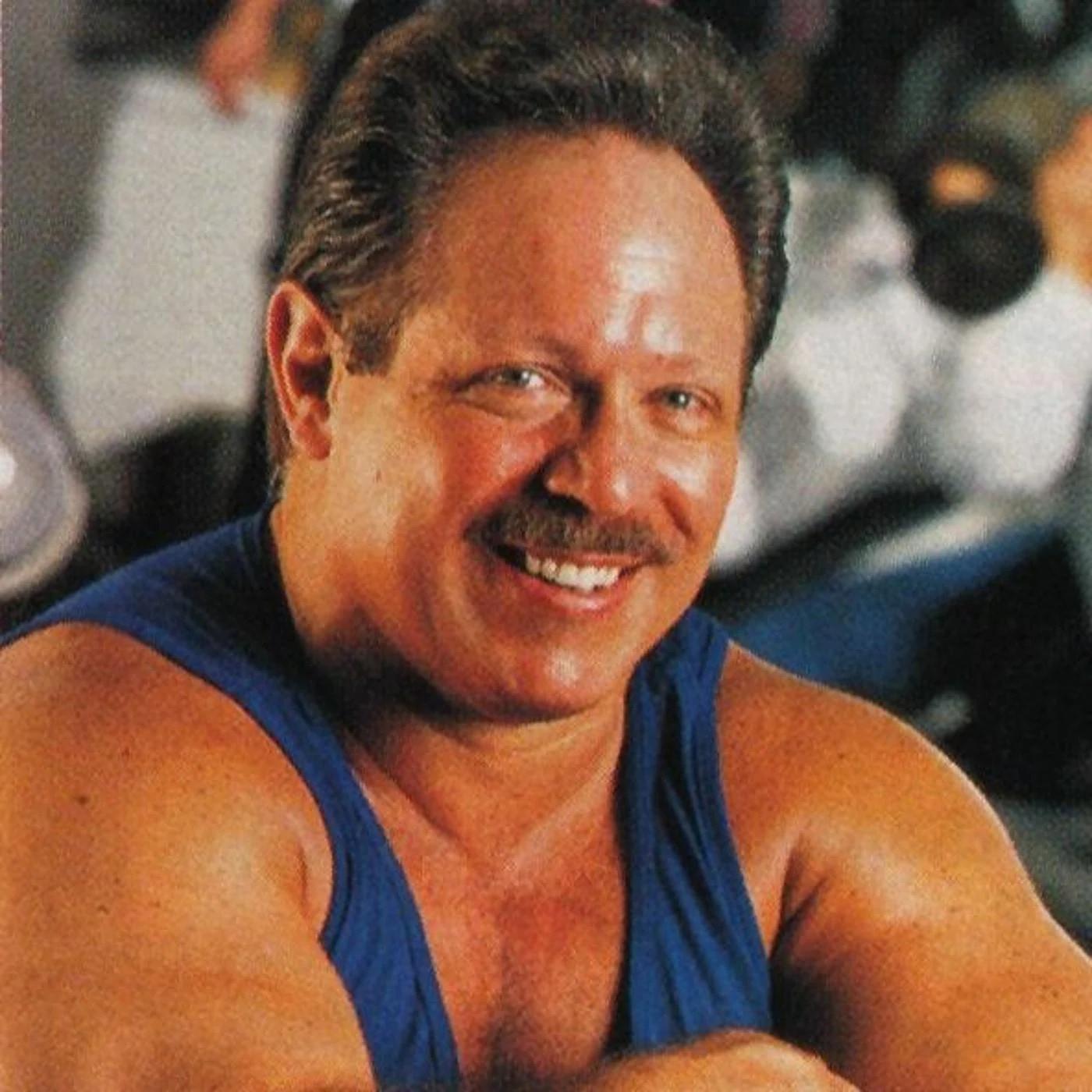
Kevin Pollak.

Actor · Comedian · Podcaster

Kevin Pollak built a long career out of being the apparently secondary guy you remember anyway: the sharp supporting presence in A Few Good Men, The Usual Suspects, Casino and The Marvelous Mrs. Maisel, then the host who can hold a two-hour conversation without sounding like he is reading off a prep card. His public style is dry, exact and deceptively relaxed, which is often what a fast mind looks like when it already knows where the pressure points are.

OBJECTIVE PERSONALITY CLASSIFICATIONMM-Ti/Se-CP/B(S)What does this mean?
PERSONALITY SYSTEMObjective Personality
LEAD FUNCTIONTi · Introverted Thinking
SECOND SAVIOR FUNCTIONSe · Extroverted Sensing
MBTI EQUIVALENTISTP
01 / BEHIND THE CLASSIFICATION

The personality behind the fame.

How does a recorded OPS classification like MM-Ti/Se-CP/B(S) break down? Walk through nine coins and watch the proposed type take shape. These are deductions from the archived code, not independent evidence of typing accuracy.

Scroll below to see Kevin Pollak take shape.

STARTING POINT512 possible OPS typesEach type combines core functions, an animal order, and sexual modalities.
THE FINISH LINEMM-Ti/Se-CP/B(S)One recorded classification, decoded from its components.
Kevin Pollak’s HUMAN NEEDS 01—03
01
DECIDER OR OBSERVER?

Decider over Observer

Deciders have more balanced Observer poles in the middle: Control (Oi) and Chaos (Oe). Organizing what's known and handling what's new tend to feel more manageable. People are the harder territory. Self (Di) and Tribe (De) sit at the extremes, so judgment, rejection, approval, and conflict can trigger the strongest reactions.

Kevin Pollak has spent decades in professions where status, timing and interpretation matter as much as talent. Think of the courtroom pressure of A Few Good Men, the criminal pecking order of The Usual Suspects, or the family friction of The Marvelous Mrs. Maisel. The recurring tension is not mainly chaos in the environment but people, roles and significance. His strength is staying socially nimble and professionally useful inside crowded ensembles. The blind spot is assuming a sharp read on the room automatically settles what each person wants from him.
D
02
SELF OR TRIBE?

Di · Self over De · Tribe

Self (Di) is the stronger deciding pole. They check decisions against their own values or reasons first: what makes sense to me, what feels right to me? The strength is independent conviction; the recurring friction is the Tribe (De)—other people's standards, feedback, and expectations. As the portrait unfolds, notice how Self takes the lead.

Pollak’s public work often carries the stamp of his own internal standard. Kevin Pollak’s Chat Show ran on his pace: long interviews, odd recurring bits, patient follow-up questions, and little interest in pretending every guest needed the same shiny late-night treatment. Self over Tribe can create a distinctive voice instead of another interchangeable moderator. The cost is that trusting your own calibration can make other people’s format, comfort level or preferred speed look secondary. Growth asks for bending when the situation genuinely needs a different standard, not just a stronger one.

Di
03
GATHER OR ORGANIZE?

Oe · Gather over Oi · Organize

Gather (Oe) leads with new information, experiences, and possibilities. Its strength is curiosity and adaptability; the recurring friction is narrowing the options and settling into what is already known. Another layer of the personality portrait comes into focus.

More than 90 films, recurring television roles, stand-up specials, game-show hosting, directing, podcasting and serious poker make Pollak’s career look less like one lane than a rolling collection of openings. Gather over Organize fits that willingness to keep moving toward the next live possibility instead of defending one settled identity. The advantage is range; he can slide from impressionist to character actor to interviewer without a dramatic reinvention speech. The blind spot is diffusion. Growth costs him the freedom of endless options by demanding that some doors stay closed long enough for one direction to deepen.

Oe
FIRST THREE COINSD + Di + Oe

These establish the preferred human needs in the OPS framework.

Kevin Pollak’s FUNCTIONS 04—05
04
FEELING OR THINKING?

Thinking · T over Feeling · F

Thinking (T) evaluates decisions through reasons, logic, and what works—not a lack of emotion. Its strength is analytical consistency; Feeling (F) provides balance through values, meaning, and the human consequences of a decision. Combined with Self (Di), this forms the recorded Savior Ti.

Pollak’s impression work is a clean window into Ti. A convincing Larry King bit is not just a funny voice; it depends on isolating the precise internal structure of how the person talks, pauses and pivots. The same analytical pressure shows up in the mechanics of his podcast games and interview rhythm. Thinking is the strength: he can strip something down to how it works. The void is interpersonal abrasion. A conclusion that feels exact in his system can arrive with less cushioning than another person needed to hear it well.

T → Ti
05
SENSING OR INTUITION?

Sensing · S over Intuition · N

Sensing (S) focuses on concrete details, observable reality, and lived experience. Intuition (N) balances it by looking for broader patterns, concepts, and implications. Combined with Gather (Oe), this gives the recorded Savior Se.

Se keeps Pollak close to what is physically and socially happening right now. You can see it in a screen career built on memorable concrete turns, in live interview timing, and even in poker, where he finished 134th out of 6,598 entrants at the 2012 World Series of Poker. Sensing gives him an immediate read on cues, rhythm and leverage in the room. The cost is that present evidence can become so compelling that the slower abstract question of where all this is leading gets less airtime than it probably deserves.

S → Se
THE TWO SAVIOR FUNCTIONSTi / Se

Opposing functions: Fe and Ni.

Kevin Pollak’s ANIMAL STACK 06—07
06
CONSUME OR BLAST?

Consume over Blast

Consume gathers information for internal processing; Blast organizes and communicates information. The recorded order is Consume → Play → Blast → Sleep. This comparison follows their positions in that stack.

Consume over Blast is unusually visible in Pollak’s public work. His chat show interviews often ran longer than an hour and sometimes past two, lingering on childhood, craft and side stories other hosts would cut for tempo. That depth is the strength: he gathers enough texture to make a guest sound human instead of promotional. The blind spot is familiar to every heavy researcher and listener—one more question, one more anecdote, one more useful detail. Growth costs him something: stopping the intake and stating the point clearly enough to stand on its own.

C > B
07
PLAY OR SLEEP?

Play over Sleep

Play emphasizes external real-time engagement; Sleep emphasizes internal processing. The recorded stack places Play earlier.

After taking material in, Pollak tends to work it with people. Live chat-room questions on Kevin Pollak’s Chat Show, improvisational bits, and later Alchemy This all show Play beating Sleep: interaction becomes part of the engine, not a distraction from it. That pairs naturally with the earlier Consume strength; he does not just collect material, he tests it in real time. The blind spot is pace. Constant exchange can feel productive while quieter private consolidation gets postponed. The growth cost is choosing when not to riff, respond or extend the bit.

P > S
Kevin Pollak’s ANIMAL ORIENTATION 08—09
08
INFO OR ENERGY DOMINANT?

Info over Energy

Info dominant means Consume and Blast are both in the top three: gathering and communicating information are more balanced. Sleep last leaves the energy side uneven—Play can keep engagement going without enough private recovery.

Pollak’s stack lands on Info over Energy, which fits a career spent both gathering material and delivering it publicly. He can absorb a guest’s history, turn an impression into a clean bit, or move from actor to host without losing the thread of what the audience needs to understand. The missing balance sits elsewhere: with Sleep outside the top three, outward engagement and output can outrun genuine internal reset. The strength is communicative usefulness; the cost is that private synthesis can look optional until fatigue or repetition proves it was not.

Info
09
INTROVERSION OR EXTROVERSION?

Extroversion over Introversion

The last animal, Sleep, determines this OPS coin: Play or Blast last means Introversion; Consume or Sleep last means Extroversion. This describes animal orientation, not sociability or shyness.

This coin is OPS Extroversion, and it has nothing to do with whether Pollak seems socially bold at a party. Sleep is fourth in his recorded order, so outward information exchange comes more readily than extended inward consolidation. That helps explain why he can keep an interview moving, jump between projects and stay active across acting, hosting and podcasting. The blind spot is subtler: the inner narrowing process can lag behind the public momentum. Growth means protecting deliberate off-camera processing before the next role, episode or bit starts consuming the calendar.

E
Sexual Modalities

The four sexual modalities.

OPS uses masculine/feminine sensory and extroverted-deciding distinctions as framework-specific terms, not gender categories. The four modalities are already included in the original 512 types. The recorded modality is MM · Kinesthetic.

MM RECORDED MODALITYKinestheticMasculine Sensory · Masculine De
MF AudioMasculine Sensory · Feminine De
FF TesterFeminine Sensory · Feminine De
FM VisualFeminine Sensory · Masculine De
COMPLETE RECORDED OPS TYPE · MODALITY INCLUDEDMM-Ti/Se-CP/B(S)

Ti leads, Se supports, and the animal stack is Consume → Play → Blast → Sleep.

THE FINISHED PORTRAIT · ALL NINE COINS REVEALED

Kevin Pollak's complete function and animal stack

ConsumePlayBlastSleepfTimSefNimFe
MM-Ti/Se-CP/B(S)DOUBLE ACTIVATED · PLAYExplore the Interactive Coin Builder →
THE KEVIN POLLAK LENS

The quick study behind the easy delivery

Pollak’s public image is the quick, dry utility player: memorable in A Few Good Men, The Usual Suspects and The Marvelous Mrs. Maisel, then unexpectedly patient as a long-form host. Behind that ease is somebody tracking tiny social details other performers might bulldoze past.

Ti with Se gives him a potent working combination. Ti wants the structure clean; Se wants the live read accurate. That helps an impression land and an interview stay interesting instead of generic. The limit is that what feels precise to him in the moment may still need more translation or softness for somebody else.

As a Decider and Double Observer, Pollak is working first on people, roles and judgment while the wider chaos of circumstances is relatively covered. The neglected function opposite his lead savior is Fe, so the growth edge is more explicit attention to shared tone, group buy-in and what the room needs from him.

Consume → Play → Blast → Sleep gives him a visible gift for taking in material, working it with people and then delivering it. Sleep last makes OPS Extroversion the pressure point: outward motion can outrun private consolidation. Keep the sharp interviews and improvisation, but protect off-camera time to sort what is actually worth keeping.

Want to understand the Savior and Demon states behind these nine coins? Explore the complete explanation, visual examples, and typing principles on our Methodology page →

02 / KEEP EXPLORING

Different faces. Familiar patterns.

Explore other celebrities with related recorded OPS classifications. Related functions are not necessarily exact type matches.

Discover Type Twins
YOUR TURN

Curious about your own type?

Discover how your own personality might be classified through Objective Personality.

Get objectively typed
Kevin Pollak's Personality Type & OPS Profile | The Personality Atlas