Observer over Decider
Observers have more balanced Decider poles in the middle: Self (Di) and Tribe (De). Their own perspective and other people's perspectives tend to be easier to navigate. Things are the harder territory. Control (Oi) and Chaos (Oe) sit at the extremes, so disrupted plans, uncertainty, and a changing world can trigger the strongest reactions.
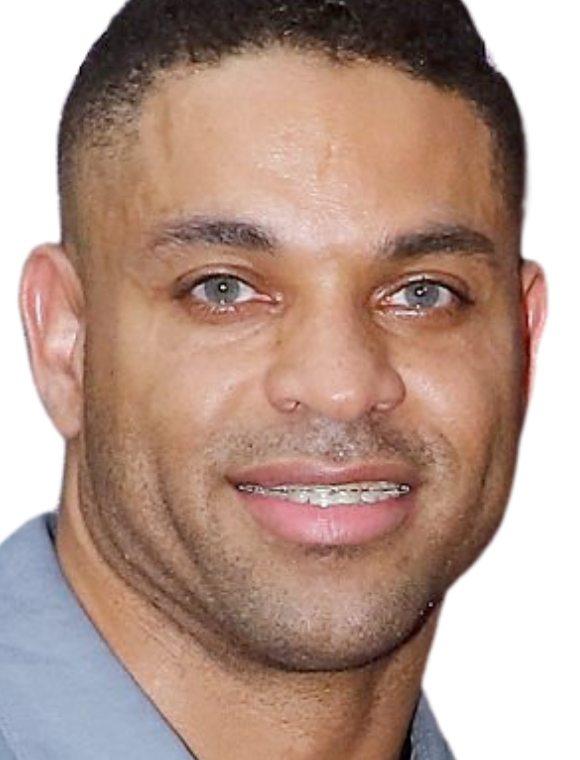
Kevin Hodge’s career has been built on volatile arenas: office jobs that ended when YouTube took over, platforms that reward speed, and audiences that can turn a clip into a tour. That pattern fits an Observer problem more than a Decider one. The friction keeps landing in circumstances, timing, reach and what the current environment will allow. Being fired from AAA after recording channel videos in the conference room is a blunt example. The strength is adaptability under changing conditions. The blind spot is assuming the next environmental shift will solve questions that still require a clearer long-term direction.