
The Personality Atlas
THE CELEBRITY PERSONALITY ARCHIVE / FILM & TELEVISION

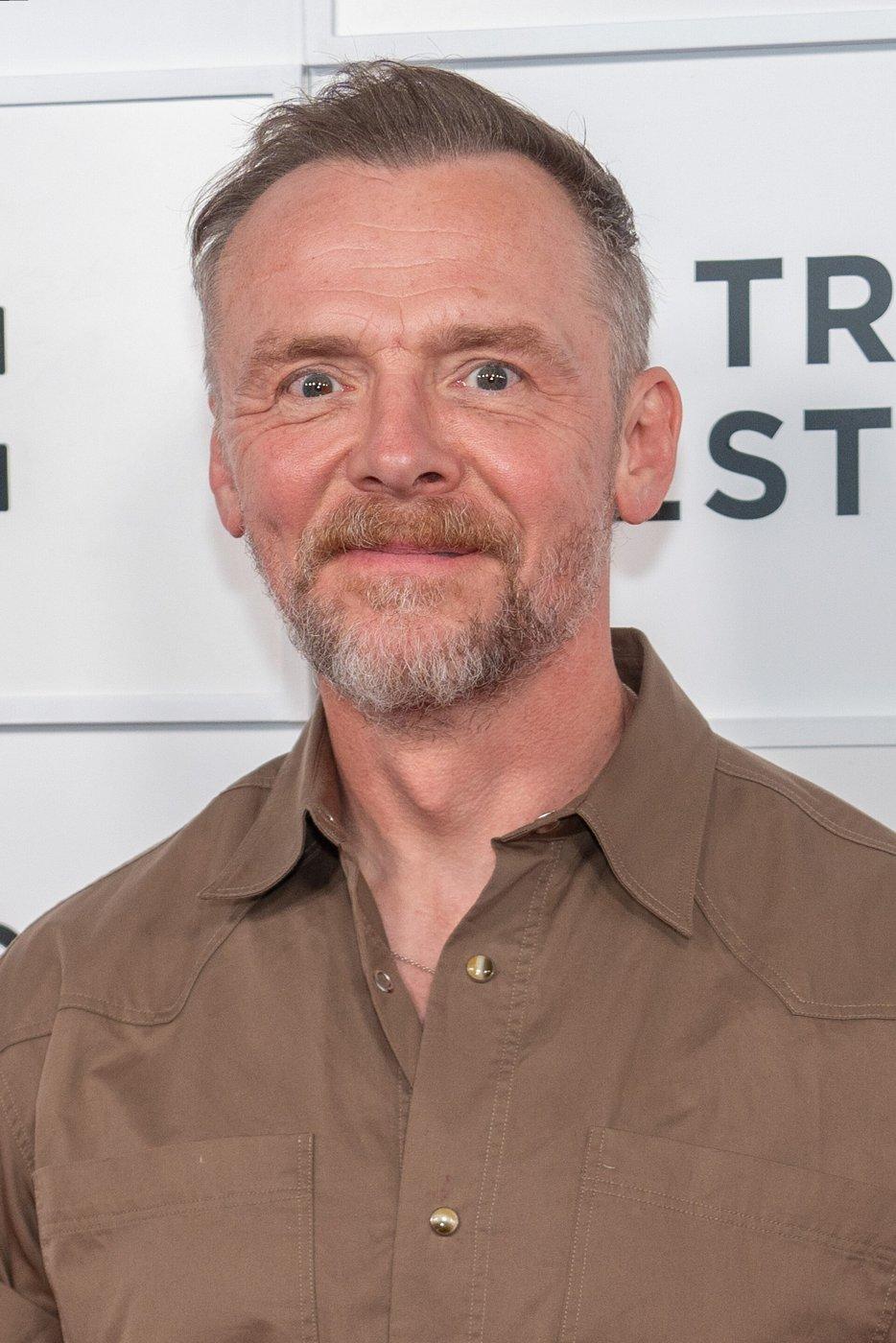
Joss Whedon.

Filmmaker · Screenwriter · Showrunner

From Buffy the Vampire Slayer and Firefly to The Avengers, Joss Whedon built a career on sharp dialogue, ensemble chemistry and aggressive genre remixing. He kept reworking premises until they matched the version in his head, then saw that formidable authorial reputation complicated by later public allegations from multiple collaborators about toxic workplace environments, which he denied while acknowledging he can be confrontational.

OBJECTIVE PERSONALITY CLASSIFICATIONFM-Fi/Se-CS/B(P)What does this mean?
PERSONALITY SYSTEMObjective Personality
LEAD FUNCTIONFi · Introverted Feeling
SECOND SAVIOR FUNCTIONSe · Extroverted Sensing
MBTI EQUIVALENTISFP
01 / BEHIND THE CLASSIFICATION

The personality behind the fame.

How does a recorded OPS classification like FM-Fi/Se-CS/B(P) break down? Walk through nine coins and watch the proposed type take shape. These are deductions from the archived code, not independent evidence of typing accuracy.

Scroll below to see Joss Whedon take shape.

STARTING POINT512 possible OPS typesEach type combines core functions, an animal order, and sexual modalities.
THE FINISH LINEFM-Fi/Se-CS/B(P)One recorded classification, decoded from its components.
Joss Whedon’s HUMAN NEEDS 01—03
01
DECIDER OR OBSERVER?

Decider over Observer

Deciders have more balanced Observer poles in the middle: Control (Oi) and Chaos (Oe). Organizing what's known and handling what's new tend to feel more manageable. People are the harder territory. Self (Di) and Tribe (De) sit at the extremes, so judgment, rejection, approval, and conflict can trigger the strongest reactions.

Joss Whedon’s public story keeps returning to people problems: the loyalty knots inside Buffy, Angel and Firefly, then the later public criticism from actors, producers and writers who said his sets became toxic workplaces. That points to Decider pressure more than a life mainly trapped by logistics or changing circumstances. The strength is a sharp instinct for status, betrayal and what one person means to another. The blind spot is interpersonal certainty. When you trust your read on people that much, confrontation can feel justified long after everyone else is experiencing it as pressure or disrespect.

D
02
SELF OR TRIBE?

Di · Self over De · Tribe

Self (Di) is the stronger deciding pole. They check decisions against their own values or reasons first: what makes sense to me, what feels right to me? The strength is independent conviction; the recurring friction is the Tribe (De)—other people's standards, feedback, and expectations. As the portrait unfolds, notice how Self takes the lead.

The clearest Self-over-Tribe example is Buffy itself. Whedon did not treat the poorly received 1992 film as the final word; he kept returning to his own standard for the premise until the 1997 series could deliver the reversal he wanted. That kind of inner bar gives the work a recognizable owner instead of a studio-smoothed compromise. The growth cost is predictable. If your internal version feels obviously better, outside edits, objections or limits can start to register as dilution rather than feedback that deserves equal weight.

Di
03
GATHER OR ORGANIZE?

Oe · Gather over Oi · Organize

Gather (Oe) leads with new information, experiences, and possibilities. Its strength is curiosity and adaptability; the recurring friction is narrowing the options and settling into what is already known. Another layer of the personality portrait comes into focus.

His career is almost aggressively Gather-first: sitcom staff writer, script doctor, vampire drama, noir spinoff, space western, Internet musical, identity sci-fi, Shakespeare adaptation, comic-book runs, Marvel and DC blockbuster work. Firefly alone came from mixing frontier myth, anti-totalitarian politics and The Killer Angels into one world. The strength is creative range. Fresh inputs keep opening new doors. The blind spot is that possibility multiplies faster than commitment. A creator can keep spotting the next promising combination while delaying the narrower discipline of tone, boundaries and sustained follow-through.

Oe
FIRST THREE COINSD + Di + Oe

These establish the preferred human needs in the OPS framework.

Joss Whedon’s FUNCTIONS 04—05
04
FEELING OR THINKING?

Feeling · F over Thinking · T

Feeling (F) evaluates decisions through values, meaning, and what matters—not simply through emotion. Its strength is a clear sense of significance; Thinking (T) provides balance through impersonal reasons, consistency, and evidence. Combined with Self (Di), this forms the recorded Savior Fi.

Buffy began as a values argument before it was a franchise. Whedon explicitly said he wanted to overturn the old image of “the little blonde girl who goes into a dark alley and gets killed” and replace it with a hero, a mission tied to “the joy of female power.” That is Feeling in the recorded sense: personal judgments about what matters shaping the work at its core. The strength is moral voltage and unmistakable point of view. The blind spot is that conviction alone does not establish fair process, shared criteria or how collaborators experience the person delivering it.

F → Fi
05
SENSING OR INTUITION?

Sensing · S over Intuition · N

Sensing (S) focuses on concrete details, observable reality, and lived experience. Intuition (N) balances it by looking for broader patterns, concepts, and implications. Combined with Gather (Oe), this gives the recorded Savior Se.

Whedon’s signature scenes are often remembered through immediate sensory control: the near-silent dread of Buffy’s “Hush,” the musical architecture of “Once More, with Feeling,” the long steadicam opening in Serenity, or the clean spatial collision-management of The Avengers. Sensing gives leverage with what is concretely on screen—timing, bodies, rhythm, framing, impact. The strength is making an idea land in the room instead of merely discussing it. The cost is that a scene can work brilliantly in the moment while longer-range structure, maintenance or relational aftereffects receive less of the spotlight.

S → Se
THE TWO SAVIOR FUNCTIONSFi / Se

Opposing functions: Te and Ni.

Joss Whedon’s ANIMAL STACK 06—07
06
CONSUME OR BLAST?

Consume over Blast

Consume gathers information for internal processing; Blast organizes and communicates information. The recorded order is Consume → Sleep → Blast → Play. This comparison follows their positions in that stack.

Consume versus Blast lands on Consume. Before he became the public face of Buffy or The Avengers, Whedon had already banked years in sitcom rooms, uncredited script-doctor work, comic-book obsession, family Shakespeare recitations and the historical reading that helped spark Firefly after The Killer Angels. The strength is depth built from intake; he has a large reservoir to draw from when recombining genres or fixing story problems. The growth cost is that more references, more research and one more pass can keep feeling productive after the larger point is already ready to be said plainly.

C > B
07
PLAY OR SLEEP?

Sleep over Play

Play emphasizes external real-time engagement; Sleep emphasizes internal processing. The recorded stack places Sleep earlier.

Play versus Sleep lands on Sleep. Whedon often directed the Buffy episodes he wrote when they carried the biggest cathartic turn—“The Body,” “Hush,” “Once More, with Feeling”—which fits a creator who wants to internally settle the meaning before opening it to wider exchange. The strength is a strong center; those episodes do not feel tossed off in the room. The blind spot is delayed reciprocity. With Consume also earlier than Blast, the internal version can become richly prepared and emotionally coherent before other people’s real-time pushback gets equal space to reshape it.

S > P
Joss Whedon’s ANIMAL ORIENTATION 08—09
08
INFO OR ENERGY DOMINANT?

Info over Energy

Info dominant means Consume and Blast are both in the top three: gathering and communicating information are more balanced. Play last leaves the energy side uneven—Sleep can conserve energy without enough spontaneous outward engagement.

This profile lands on the Info side for a cleaner reason than simple busyness: both information animals are already in the top three. Whedon keeps cycling between taking in material and packaging it for an audience—absorbing years of genre history, comics and rewrites, then turning that stockpile into Buffy mythology, an Astonishing X-Men run, or the ensemble clarity of The Avengers. That is a real strength. The void sits with the missing Play. When spontaneous back-and-forth is last, authored information can outrun live reciprocity, and collaboration risks feeling more delivered than mutually discovered.

Info
09
INTROVERSION OR EXTROVERSION?

Introversion over Extroversion

The last animal, Play, determines this OPS coin: Play or Blast last means Introversion; Consume or Sleep last means Extroversion. This describes animal orientation, not sociability or shyness.

The official result is Introversion, and that should not be mistaken for shyness or a lack of public authority. Whedon has run writers’ rooms, directed actors and steered giant franchise productions; the OPS point is narrower than sociability. With Play last, the easier path is to learn first, process privately, and then present a formed direction. The strength is authored coherence across very different projects. The blind spot is that collaboration can become one-directional. People are involved, but the exchange may arrive after the key meaning already feels settled, making genuine revision more expensive than it needed to be.

I
Sexual Modalities

The four sexual modalities.

OPS uses masculine/feminine sensory and extroverted-deciding distinctions as framework-specific terms, not gender categories. The four modalities are already included in the original 512 types. The recorded modality is FM · Visual.

MM KinestheticMasculine Sensory · Masculine De
MF AudioMasculine Sensory · Feminine De
FF TesterFeminine Sensory · Feminine De
FM RECORDED MODALITYVisualFeminine Sensory · Masculine De
COMPLETE RECORDED OPS TYPE · MODALITY INCLUDEDFM-Fi/Se-CS/B(P)

Fi leads, Se supports, and the animal stack is Consume → Sleep → Blast → Play.

THE FINISHED PORTRAIT · ALL NINE COINS REVEALED

Joss Whedon's complete function and animal stack

ConsumeSleepBlastPlayfFifSemNimTe
FM-Fi/Se-CS/B(P)DOUBLE ACTIVATED · SLEEPExplore the Interactive Coin Builder →
THE JOSS WHEDON LENS

The authored world comes first

Take “Once More, with Feeling,” the Buffy musical Whedon wrote, directed and co-composed: a network-TV stunt that lands as confession, comedy and plot engine at once. That feat can make him look like pure quip-and-concept bravado. Behind it sits the less glamorous worker from sitcom rooms and script-doctor jobs who kept rebuilding premises until they matched the version in his head.

Fi with Se explains why the work feels so authored. Fi supplies the private value line, from Buffy’s reversal of the doomed-blonde cliché to his habit of protecting a premise’s core meaning. Se turns that conviction into tangible rhythm, blocking and impact. The strength is memorable scenes. The limit is that a vision this forceful can hit collaborators as a conclusion to execute, not a conversation still open.

As a Decider and Double Observer, his recurring pressure sits more with people than with uncertainty. He can move across genres, scales and formats without needing one orderly lane. The imbalance is around respect, significance and whose perspective sets the tone. Neglected Te is the missing counterweight—shared metrics, external structure and practical accountability that challenge the inner verdict before it hardens.

Consume → Sleep → Blast → Play gives the full order. Taking in material and consolidating it privately before broadcasting a direction can produce coherent worlds, but Play last leaves live reciprocity as the expensive step. The balancing move is not softer vision; it is earlier friction—table reads with real authority, delegated dissent, and collaborators empowered to challenge the draft while its strengths are still intact.

Want to understand the Savior and Demon states behind these nine coins? Explore the complete explanation, visual examples, and typing principles on our Methodology page →

02 / KEEP EXPLORING

Different faces. Familiar patterns.

Explore other celebrities with related recorded OPS classifications. Related functions are not necessarily exact type matches.

Discover Type Twins
YOUR TURN

Curious about your own type?

Discover how your own personality might be classified through Objective Personality.

Get objectively typed
Joss Whedon's Personality Type & OPS Profile | The Personality Atlas