Observer over Decider
Observers have more balanced Decider poles in the middle: Self (Di) and Tribe (De). Their own perspective and other people's perspectives tend to be easier to navigate. Things are the harder territory. Control (Oi) and Chaos (Oe) sit at the extremes, so disrupted plans, uncertainty, and a changing world can trigger the strongest reactions.
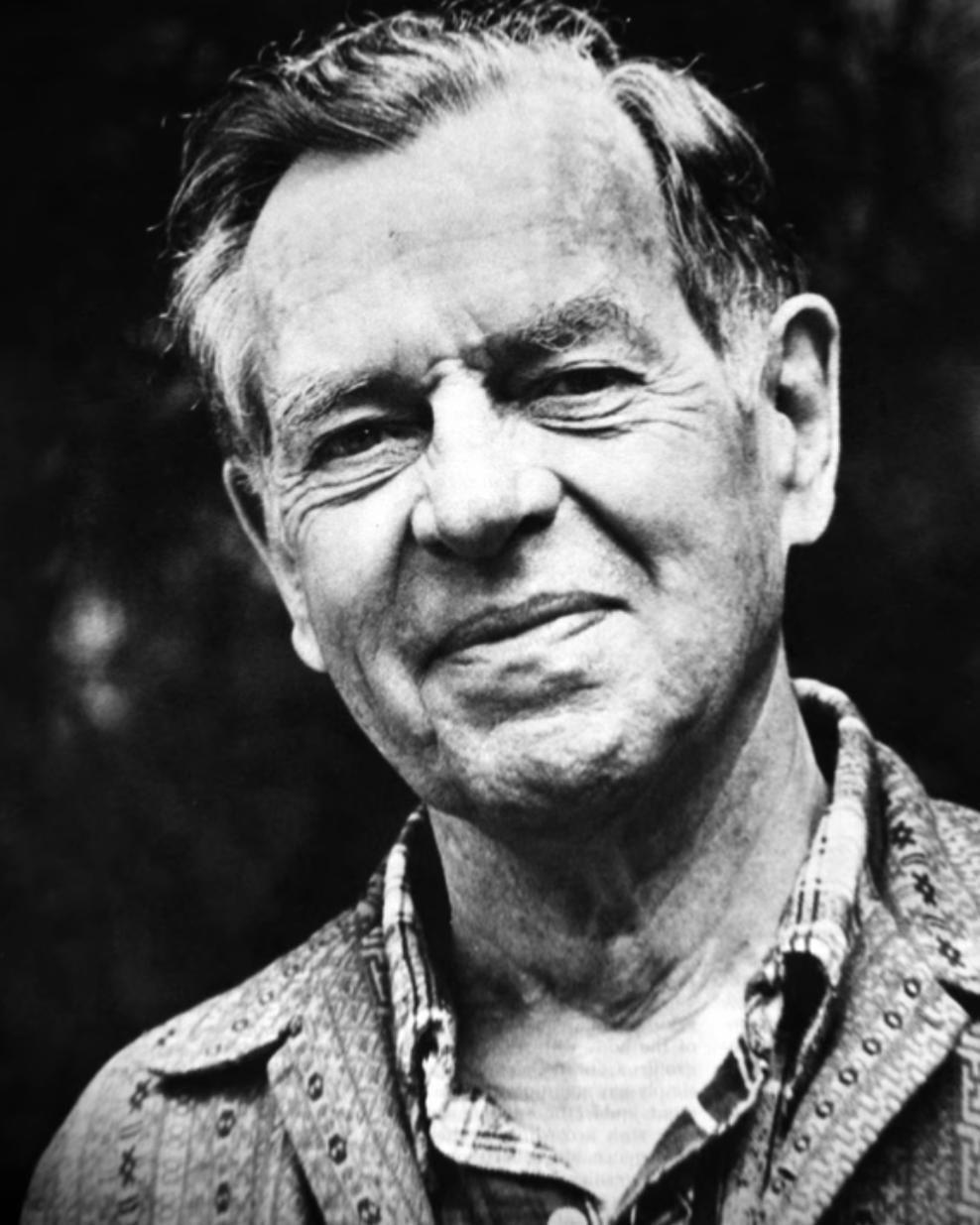
Campbell’s career was built on problems of scale and circumstance. He spent the early Depression years in a rented Woodstock shack reading nine hours a day, not because the world was orderly, but because it wasn’t. Academic approval had stalled; the next path was unclear; the archive of human myth looked almost impossibly large. That is classic Observer pressure: too much to map, too much chaos to organize, too many variables outside personal control. The gift is range and adaptability. The cost is treating another layer of complexity as the answer, when eventually someone has to draw a line and say what matters.