The Personality Atlas
THE CELEBRITY PERSONALITY ARCHIVE / Personal Growth Media

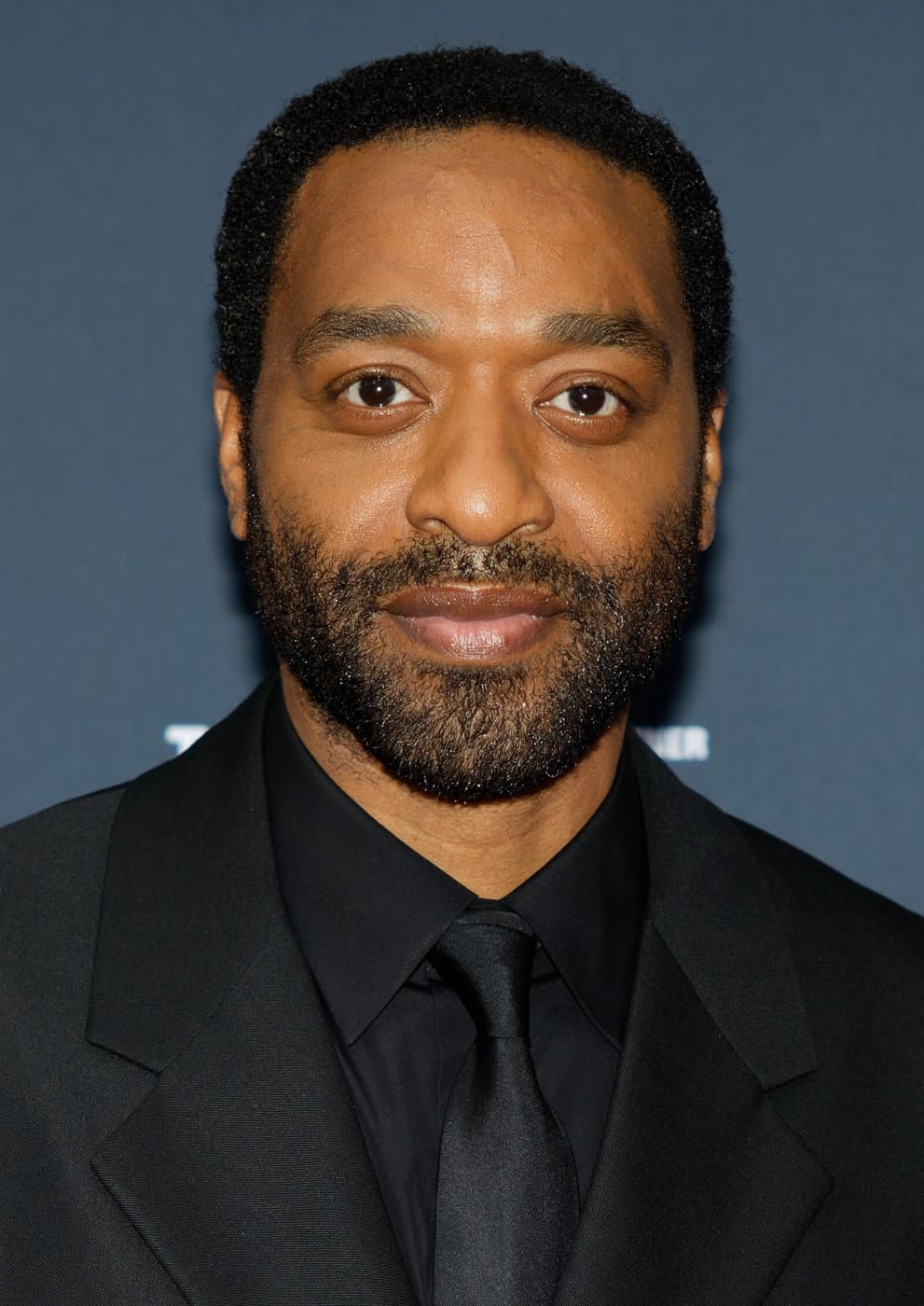
Jonathan Fields.

Author · Podcast Host · Good Life Project Founder

Jonathan Fields built a career out of interrogating success after the shiny version stops working. Through The Good Life Project, long-form interviews and books on work and growth, he keeps returning to one charged public question: how do you build a life that feels meaningful when prestige, hustle and borrowed definitions are no longer enough?

OBJECTIVE PERSONALITY CLASSIFICATIONMF-Ni/Fe-BS/P(C)What does this mean?
PERSONALITY SYSTEMObjective Personality
LEAD FUNCTIONNi · Introverted Intuition
SECOND SAVIOR FUNCTIONFe · Extroverted Feeling
MBTI EQUIVALENTINFJ
01 / BEHIND THE CLASSIFICATION

The personality behind the fame.

How does a recorded OPS classification like MF-Ni/Fe-BS/P(C) break down? Walk through nine coins and watch the proposed type take shape. These are deductions from the archived code, not independent evidence of typing accuracy.

Scroll below to see Jonathan Fields take shape.

STARTING POINT512 possible OPS typesEach type combines core functions, an animal order, and sexual modalities.
THE FINISH LINEMF-Ni/Fe-BS/P(C)One recorded classification, decoded from its components.
Jonathan Fields’ HUMAN NEEDS 01—03
01
DECIDER OR OBSERVER?

Observer over Decider

Observers have more balanced Decider poles in the middle: Self (Di) and Tribe (De). Their own perspective and other people's perspectives tend to be easier to navigate. Things are the harder territory. Control (Oi) and Chaos (Oe) sit at the extremes, so disrupted plans, uncertainty, and a changing world can trigger the strongest reactions.

On Rich Roll, Fields is described as spending years in deep thought and research before shaping an evidence-based method for meaningful careers. That points to Observer friction. The fight is not mainly, “Do people approve of me?” but, “How do you navigate a world where work, timing and purpose refuse to line up neatly?” His strength is staying with external uncertainty long enough to make it useful. The blind spot is assuming a sharper model will finally make the messy conditions of real life settle down.


O
02
SELF OR TRIBE?

De · Tribe over Di · Self

Tribe (De) is the stronger deciding pole. They check decisions against people, shared standards, and what works for the group: what do we need, what will others think? The strength is coordination and responsiveness; the recurring friction is the Self (Di)—knowing and defending their own position. As the portrait unfolds, notice how Tribe takes the lead.

Fields did not build The Good Life Project as a private journal. He built it as a conversation—books, interviews and tools meant to help other people name what matters to them. That leans Tribe over Self. The strength is social legibility: he can package a hard inner question in language a wide audience can enter. The cost is over-calibration. When usefulness to others becomes the standard, it gets harder to leave an idea personal, rough or unfashionable enough to disappoint the room and still believe it deserves airtime.

De
03
GATHER OR ORGANIZE?

Oi · Organize over Oe · Gather

Organize (Oi) leads with refining, preserving, and structuring what is already known. Its strength is preparation and clear direction; the recurring friction is unexpected change that disrupts the plan. Another layer of the personality portrait comes into focus.

In the WOUB piece, Fields says each person has a “special imprint,” a distinct pattern of work and contribution that makes them come alive. That is a very Organize move: instead of handing people endless options, he narrows the chaos toward a stable inner fit. The strength is coherence. A listener gets a lens for choosing, not just another pile of inspiration. The blind spot is compression. When the organizing principle feels right, newer opportunities, contradictory evidence or lives that do not fit the model can be dismissed too quickly.

Oi
FIRST THREE COINSO + De + Oi

These establish the preferred human needs in the OPS framework.

Jonathan Fields’ FUNCTIONS 04—05
04
FEELING OR THINKING?

Feeling · F over Thinking · T

Feeling (F) evaluates decisions through values, meaning, and what matters—not simply through emotion. Its strength is a clear sense of significance; Thinking (T) provides balance through impersonal reasons, consistency, and evidence. Combined with Tribe (De), this forms the recorded Savior Fe.

Fields’ recorded judging function is Fe, and his public vocabulary makes that visible. In the WOUB interview, he talks about meaning, joy and what makes you come alive—language built to be felt and shared, not merely analyzed. Fe’s strength is emotional translation. He can take a complex idea about work and frame it in terms people immediately understand as human stakes. The limit is that resonance can outrun precision. A message may feel deeply true to an audience before every colder practical distinction has been fully sorted out.

F → Fe
05
SENSING OR INTUITION?

Intuition · N over Sensing · S

Intuition (N) focuses on concepts, patterns, and what information might mean. Sensing (S) balances it through observable facts, physical detail, and direct experience. Combined with Organize (Oi), this gives the recorded Savior Ni.

Fields’ recorded observer function is Ni, and his “special imprint” idea is the clearest public example. He is not fascinated by career life as a buffet of equal options; he keeps searching for the deeper pattern that ties a person’s choices together. That is Intuition in its narrowing form: seeing the underlying arc before every concrete detail is settled. The strength is synthesis that sticks. The cost is selective vision. Once the throughline feels compelling, immediate facts, mundane logistics and awkward exceptions can look smaller than they really are.

N → Ni
THE TWO SAVIOR FUNCTIONSNi / Fe

Opposing functions: Se and Ti.

Jonathan Fields’ ANIMAL STACK 06—07
06
CONSUME OR BLAST?

Blast over Consume

Consume gathers information for internal processing; Blast organizes and communicates information. The recorded order is Blast → Sleep → Play → Consume. This comparison follows their positions in that stack.

Blast comes earlier than Consume in Fields’ stack, and his career shows it. Instead of leaving years of research as private notes, he turned them into books, interviews and a public method people could actually use. The strength of Blast is decisive usefulness: distill the material, make the point, give the audience something to do next. The blind spot is premature closure. Once the explanation is strong and serviceable, taking in more raw information can feel optional, even when the next refinement should really begin with listening rather than teaching.

B > C
07
PLAY OR SLEEP?

Sleep over Play

Play emphasizes external real-time engagement; Sleep emphasizes internal processing. The recorded stack places Sleep earlier.

Sleep comes earlier than Play here, which fits Rich Roll’s description of Fields spending years in deep thought and research. He does not mainly give the impression of improvising his worldview in public; he tends to process first, then re-enter with a cleaner synthesis. The strength is steadiness. His ideas arrive with internal consistency because they have been worked through before they are shared. The cost is over-protection. A live conversation can become a place to present a refined conclusion rather than a place where another person’s perspective genuinely scrambles and changes it.

S > P
Jonathan Fields’ ANIMAL ORIENTATION 08—09
08
INFO OR ENERGY DOMINANT?

Energy over Info

Energy dominant means Play and Sleep are both in the top three: there is access to expending energy through engagement and conserving it through internal processing. Consume last leaves the information side uneven—Blast may broadcast more than gets taken in.

Fields’ profile is Energy-dominant, with Sleep and Play both in the top three and Consume last. Publicly, you can see that rhythm in the combination of solitary book-writing and the relational engine of The Good Life Project, which One You Feed credited as an inspiration for its own show. The strength is range: he can retreat, consolidate and then show up for a sustained exchange. The missing balance sits in Consume. When processing and engaging stay active, fresh intake can lag, and the message starts arriving more often than genuinely new material does.

Energy
09
INTROVERSION OR EXTROVERSION?

Extroversion over Introversion

The last animal, Consume, determines this OPS coin: Play or Blast last means Introversion; Consume or Sleep last means Extroversion. This describes animal orientation, not sociability or shyness.

Fields’ full animal order is Blast → Sleep → Play → Consume, which makes this OPS Extroversion because Consume is last. The clearest public example is structural: he did not stop at private reflection or even a single book. He built The Good Life Project into an ongoing outward platform and kept carrying the conversation onto other shows. The strength is circulation. Insight gets shared, tested and made useful. The cost is subtler. The next articulation can go public before the next round of surprise, contradiction or ground-level detail has been fully absorbed.

E
Sexual Modalities

The four sexual modalities.

OPS uses masculine/feminine sensory and extroverted-deciding distinctions as framework-specific terms, not gender categories. The four modalities are already included in the original 512 types. The recorded modality is MF · Audio.

MM KinestheticMasculine Sensory · Masculine De
MF RECORDED MODALITYAudioMasculine Sensory · Feminine De
FF TesterFeminine Sensory · Feminine De
FM VisualFeminine Sensory · Masculine De
COMPLETE RECORDED OPS TYPE · MODALITY INCLUDEDMF-Ni/Fe-BS/P(C)

Ni leads, Fe supports, and the animal stack is Blast → Sleep → Play → Consume.

THE FINISHED PORTRAIT · ALL NINE COINS REVEALED

Jonathan Fields's complete function and animal stack

BlastSleepPlayConsumefNifFemTimSe
MF-Ni/Fe-BS/P(C)DOUBLE ACTIVATED · BLASTExplore the Interactive Coin Builder →
THE JONATHAN FIELDS LENS

The calm voice with a strong agenda.

On Rich Roll, Fields is introduced as someone who spent years in deep thought and research before building an evidence-based method for helping people find meaningful careers. That opening lands because it matches the public impression: calm, useful, clarifying. Behind it is somebody less interested in motivational fog than in wrestling unruly career uncertainty into a form people can actually use.

Ni/Fe is a potent combination for his kind of work. Ni keeps compressing scattered ambitions, jobs and doubts into a single throughline; Fe then translates that throughline into language other people can recognize and share. The strength is practical clarity with a human face. The limit is that a message can feel deeply resonant while still smoothing over details that do not fit its social usefulness.

As an Observer and Double Decider, Fields is likelier to get hung up on uncertainty, direction and whether reality lines up than on permanent people-drama. That pairing can navigate human reactions reasonably well while still overworking the question of what path actually makes sense. The neglected function opposite his lead savior is Se: immediate data, present-tense friction and inconvenient specifics that refuse to behave like the larger pattern.

Blast → Sleep → Play → Consume puts Consume last, which Atlas reads as OPS Extroversion: explanation, internal processing and engagement get moving before fresh intake does. That bias helps him publish, host and guide rather than hoard insight. The balancing move is concrete: keep the synthesis, but let one unscripted interview, new case study or stubborn contradictory example materially rewrite the next lesson before he teaches it.

Want to understand the Savior and Demon states behind these nine coins? Explore the complete explanation, visual examples, and typing principles on our Methodology page →

02 / KEEP EXPLORING

Different faces. Familiar patterns.

Explore other celebrities with related recorded OPS classifications. Related functions are not necessarily exact type matches.

Discover Type Twins
YOUR TURN

Curious about your own type?

Discover how your own personality might be classified through Objective Personality.

Get objectively typed
Jonathan Fields's Personality Type & OPS Profile | The Personality Atlas