Observer over Decider
Observers have more balanced Decider poles in the middle: Self (Di) and Tribe (De). Their own perspective and other people's perspectives tend to be easier to navigate. Things are the harder territory. Control (Oi) and Chaos (Oe) sit at the extremes, so disrupted plans, uncertainty, and a changing world can trigger the strongest reactions.
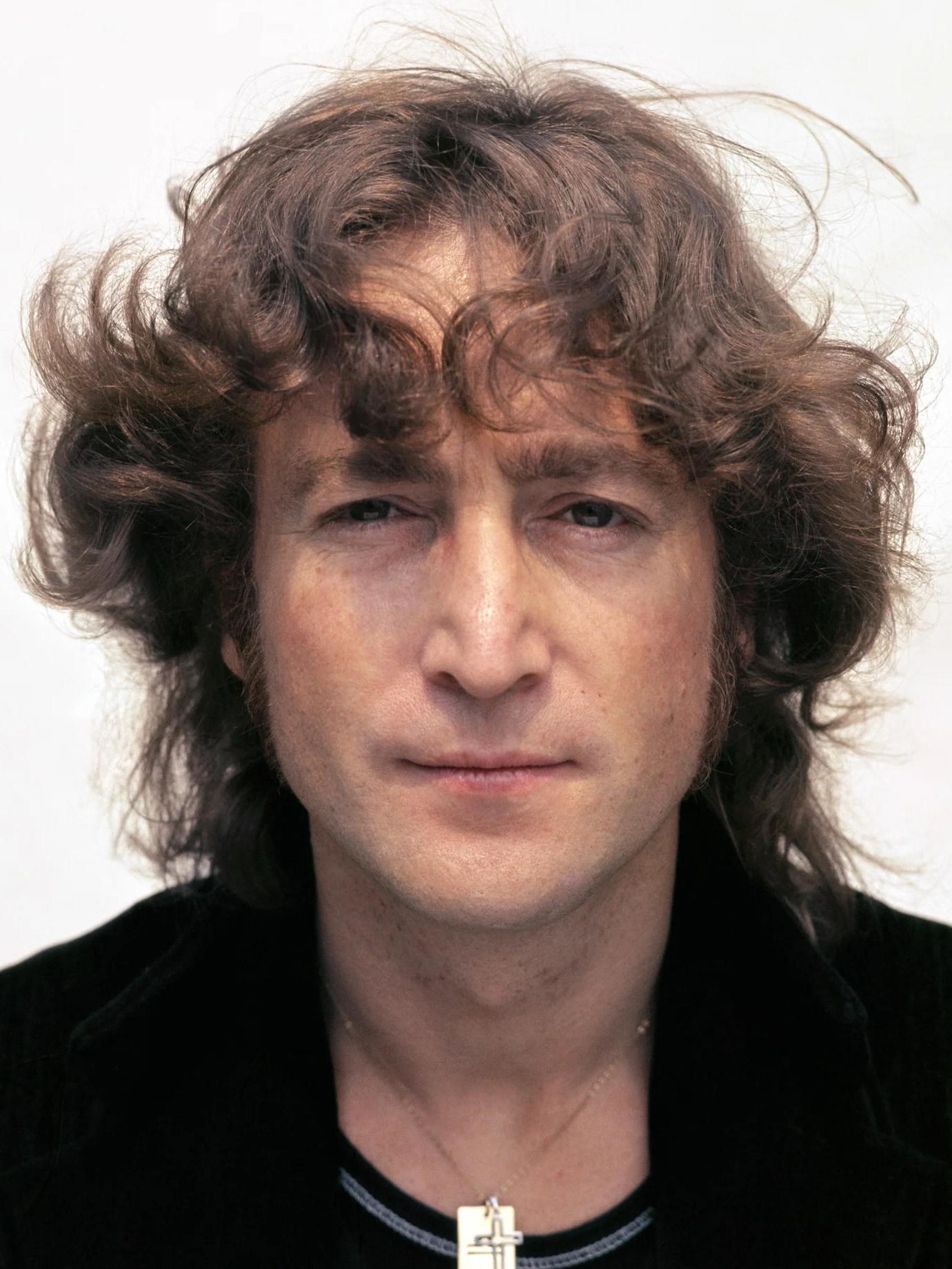
Beatlemania gave Lennon a world he could not control: screaming crowds drowned out concerts, touring distorted the music, and the Beatles eventually quit the road in 1966. That tension is classic Observer friction—circumstances, pace and the shape of reality refusing to cooperate. His strength was adapting when the environment changed, moving from live chaos into some of the era’s most ambitious studio work. The blind spot is treating the next external shift as the thing that will finally settle everything, when a changed setting can simply create a new kind of uncertainty.