The Personality Atlas
THE CELEBRITY PERSONALITY ARCHIVE / FILM & THEATRE

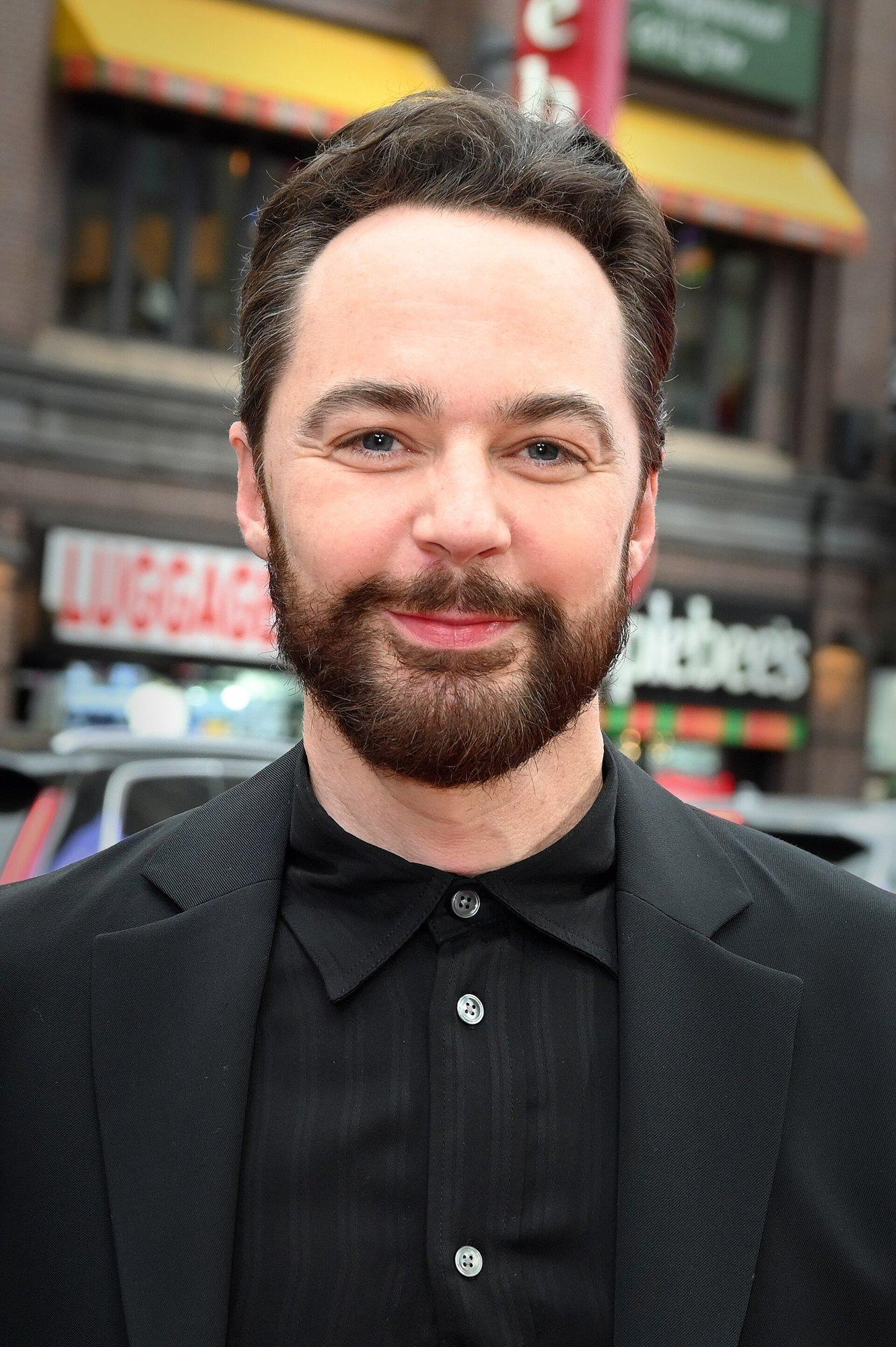
Jim Parsons.

Actor · Producer · Broadway performer

After cycling through 15 to 30 television pilots and years of stage work, Jim Parsons found the one script whose rhythm he could "dance through" and turned it into four Emmys, a Golden Globe and a place among television's highest-paid actors. The public image is meticulous, cerebral and faintly otherworldly; the career underneath is even more specific: a classically trained actor whose originality kept reopening doors, even to the point of walking away from another $50 million.

OBJECTIVE PERSONALITY CLASSIFICATIONFF-Ti/Ne-CS/P(B)What does this mean?
PERSONALITY SYSTEMObjective Personality
LEAD FUNCTIONTi · Introverted Thinking
SECOND SAVIOR FUNCTIONNe · Extroverted Intuition
MBTI EQUIVALENTINTP
01 / BEHIND THE CLASSIFICATION

The personality behind the fame.

How does a recorded OPS classification like FF-Ti/Ne-CS/P(B) break down? Walk through nine coins and watch the proposed type take shape. These are deductions from the archived code, not independent evidence of typing accuracy.

Scroll below to see Jim Parsons take shape.

STARTING POINT512 possible OPS typesEach type combines core functions, an animal order, and sexual modalities.
THE FINISH LINEFF-Ti/Ne-CS/P(B)One recorded classification, decoded from its components.
Jim Parsons’ HUMAN NEEDS 01—03
01
DECIDER OR OBSERVER?

Decider over Observer

Deciders have more balanced Observer poles in the middle: Control (Oi) and Chaos (Oe). Organizing what's known and handling what's new tend to feel more manageable. People are the harder territory. Self (Di) and Tribe (De) sit at the extremes, so judgment, rejection, approval, and conflict can trigger the strongest reactions.

Parsons' early career is full of auditions, admissions committees and gatekeepers deciding whether his very specific style belonged. He estimated 15 to 30 television pilots, many attached to shows that never even found a buyer, and program director Rick Seer remembered wondering whether Parsons' originality would adapt to classical training. That is classic Decider pressure: not just "Can the project happen?" but "Do these people see what I am?" The strength is resilience under judgment. The blind spot is letting human approval feel like the main obstacle, even when the work itself is ready.

D
02
SELF OR TRIBE?

Di · Self over De · Tribe

Self (Di) is the stronger deciding pole. They check decisions against their own values or reasons first: what makes sense to me, what feels right to me? The strength is independent conviction; the recurring friction is the Tribe (De)—other people's standards, feedback, and expectations. As the portrait unfolds, notice how Self takes the lead.

When Parsons turned down a reported $50 million to continue The Big Bang Theory for two more seasons, he showed how Self over Tribe can look in public: an internal line mattered more than money, momentum or what the machine around him preferred. The same streak appears earlier in how intensely he loved school and training for their own sake. The strength is an inner standard that cannot be cheaply bought. The cost is that one privately clear decision can still hit a very public set of colleagues, schedules and expectations.

Di
03
GATHER OR ORGANIZE?

Oe · Gather over Oi · Organize

Gather (Oe) leads with new information, experiences, and possibilities. Its strength is curiosity and adaptability; the recurring friction is narrowing the options and settling into what is already known. Another layer of the personality portrait comes into focus.

Seventeen plays in three years at the University of Houston, Off-Broadway work, sitcom stardom, Broadway revivals, voice acting in Home, supporting film roles, producing Special and Young Sheldon—Parsons' career keeps widening rather than locking into one lane. Gather first likes another angle, another format, another door that might open. That flexibility kept him from becoming only Sheldon Cooper forever. The blind spot is selection fatigue. A person can be so good at spotting the next interesting possibility that choosing one long-term container becomes the harder part.

Oe
FIRST THREE COINSD + Di + Oe

These establish the preferred human needs in the OPS framework.

Jim Parsons’ FUNCTIONS 04—05
04
FEELING OR THINKING?

Thinking · T over Feeling · F

Thinking (T) evaluates decisions through reasons, logic, and what works—not a lack of emotion. Its strength is analytical consistency; Feeling (F) provides balance through values, meaning, and the human consequences of a decision. Combined with Self (Di), this forms the recorded Savior Ti.

Parsons said he was enchanted by The Big Bang Theory's dialogue structure and the chance to "dance through" its rhythm, and he credited his graduate training with giving him the tools to break Sheldon's lines down. That is Ti in a very visible form: precision, analysis and an internal sense of what makes the mechanism work. Chuck Lorre praised the control he had over every movement. The strength is exactness. The limit is that a beautifully coherent read can arrive before the more interpersonal question of how everyone else needs it framed.

T → Ti
05
SENSING OR INTUITION?

Intuition · N over Sensing · S

Intuition (N) focuses on concepts, patterns, and what information might mean. Sensing (S) balances it through observable facts, physical detail, and direct experience. Combined with Gather (Oe), this gives the recorded Savior Ne.

He did not need to personally identify with Sheldon Cooper to see the possibility in the role; Parsons was hooked by the pattern of the writing, the rhythm hidden inside specialized language. Later he and Todd Spiewak founded That's Wonderful Productions to back distinct voices with a sense of purpose and social consciousness. Ne helps explain that appetite for the concept behind the performance, not just the performance itself. The strength is seeing what a script or project could become. The cost is that possibility expands faster than reality, so the next compelling idea can multiply before the current one is fully settled.

N → Ne
THE TWO SAVIOR FUNCTIONSTi / Ne

Opposing functions: Fe and Si.

Jim Parsons’ ANIMAL STACK 06—07
06
CONSUME OR BLAST?

Consume over Blast

Consume gathers information for internal processing; Blast organizes and communicates information. The recorded order is Consume → Sleep → Play → Blast. This comparison follows their positions in that stack.

Parsons has never hidden how much he loves studying the craft. He appeared in 17 plays in three years, completed an MFA in acting, and even said he would have pursued a doctorate if possible because school felt "so safe." Consume ahead of Blast fits that hunger to keep taking in material, technique and nuance before turning it into a final packaged message. The strength is depth. The blind spot is familiar to any gifted student: one more class, one more note, one more layer of understanding can delay the plain statement.

C > B
07
PLAY OR SLEEP?

Sleep over Play

Play emphasizes external real-time engagement; Sleep emphasizes internal processing. The recorded stack places Sleep earlier.

After all that intake, Parsons' second gear looks more Sleep than Play. His performances are famous for polish—those tightly composed Sheldon speeches, the precise physical beats Chuck Lorre praised—not for looking improvised into existence. Consume gathers; Sleep distills. Together they make an actor who can internalize a script until it feels exact. The tradeoff is that real-time exchange may not be the preferred way to find the answer. Outside input can be useful, but only after he has had room to process what the material means in his own system.

S > P
Jim Parsons’ ANIMAL ORIENTATION 08—09
08
INFO OR ENERGY DOMINANT?

Energy over Info

Energy dominant means Play and Sleep are both in the top three: there is access to expending energy through engagement and conserving it through internal processing. Blast last leaves the information side uneven—Consume may gather far more than gets communicated.

Parsons' stack lands on Energy over Info, which makes sense for a career that balances private preparation with public performance. The same actor who called school "safe" also spent years carrying a hit network sitcom, returning to Broadway, and executive producing projects with Todd Spiewak. Sleep and Play both show up before the last animal, so there is fuel for both internal reset and outward engagement. The missing pressure point is Blast. He can do the work, master the part and collaborate widely, while still leaving the final simplified explanation less eager than the preparation.

Energy
09
INTROVERSION OR EXTROVERSION?

Introversion over Extroversion

The last animal, Blast, determines this OPS coin: Play or Blast last means Introversion; Consume or Sleep last means Extroversion. This describes animal orientation, not sociability or shyness.

Parsons is OPS Introverted because Blast sits last, not because he lacks visibility or stage presence. This is the man who headlined television's biggest sitcom, hosted a SiriusXM show, and keeps returning to Broadway. Public exposure is obviously not the issue. The pattern is that Consume, Sleep and Play all arrive before the demand to broadcast a settled conclusion for everyone else. The strength is substance before certainty. The growth edge is making the takeaway explicit—saying the point plainly, not just performing it so well that other people infer the point for themselves.

I
Sexual Modalities

The four sexual modalities.

OPS uses masculine/feminine sensory and extroverted-deciding distinctions as framework-specific terms, not gender categories. The four modalities are already included in the original 512 types. The recorded modality is FF · Tester.

MM KinestheticMasculine Sensory · Masculine De
MF AudioMasculine Sensory · Feminine De
FF RECORDED MODALITYTesterFeminine Sensory · Feminine De
FM VisualFeminine Sensory · Masculine De
COMPLETE RECORDED OPS TYPE · MODALITY INCLUDEDFF-Ti/Ne-CS/P(B)

Ti leads, Ne supports, and the animal stack is Consume → Sleep → Play → Blast.

THE FINISHED PORTRAIT · ALL NINE COINS REVEALED

Jim Parsons's complete function and animal stack

ConsumeSleepPlayBlastmTimNefSifFe
FF-Ti/Ne-CS/P(B)DOUBLE ACTIVATED · CONSUMEExplore the Interactive Coin Builder →
THE JIM PARSONS LENS

The precision started before the fame.

Parsons became famous for making Sheldon Cooper feel almost mechanically exact—the clipped rhythm, the careful pauses, the body control Chuck Lorre praised. But the person behind that public precision was built earlier: a kid who decided to act at six, then threw himself into training, repertory theater, and 17 plays in three years because school felt, in his words, “so safe.”

Ti paired with Ne helps explain why The Big Bang Theory clicked. Parsons said he was enchanted not by being Sheldon, but by the script’s structure and rhythm, then used classical training to break the lines apart and rebuild them into something unforgettable. The strength is exact conceptual craft; the limit is assuming the elegant internal model will automatically translate for everyone else.

As a Decider and Double Observer, Parsons is working the people side of life harder than the chaos side, even while still carrying broad observational range. The recurring pressure is fit, significance, and how a highly specific self lands with others. That creates a self-versus-tribe imbalance, with the neglected opposite of his lead Ti showing up in Fe: the less automatic work of adjusting for shared emotional calibration.

Consume → Sleep → Play → Blast puts the final strain on delivery, not visibility. He can study deeply, process privately, and engage when needed, yet still leave the simplest collective takeaway for last. Blast last is the Introversion coin here. The balance move is not dulling his rigor; it is adding one plain-language pass for collaborators before the performance has to carry the whole point alone.

Want to understand the Savior and Demon states behind these nine coins? Explore the complete explanation, visual examples, and typing principles on our Methodology page →

02 / KEEP EXPLORING

Different faces. Familiar patterns.

Explore other celebrities with related recorded OPS classifications. Related functions are not necessarily exact type matches.

Discover Type Twins
YOUR TURN

Curious about your own type?

Discover how your own personality might be classified through Objective Personality.

Get objectively typed
Jim Parsons's Personality Type & OPS Profile | The Personality Atlas