Decider over Observer
Deciders have more balanced Observer poles in the middle: Control (Oi) and Chaos (Oe). Organizing what's known and handling what's new tend to feel more manageable. People are the harder territory. Self (Di) and Tribe (De) sit at the extremes, so judgment, rejection, approval, and conflict can trigger the strongest reactions.
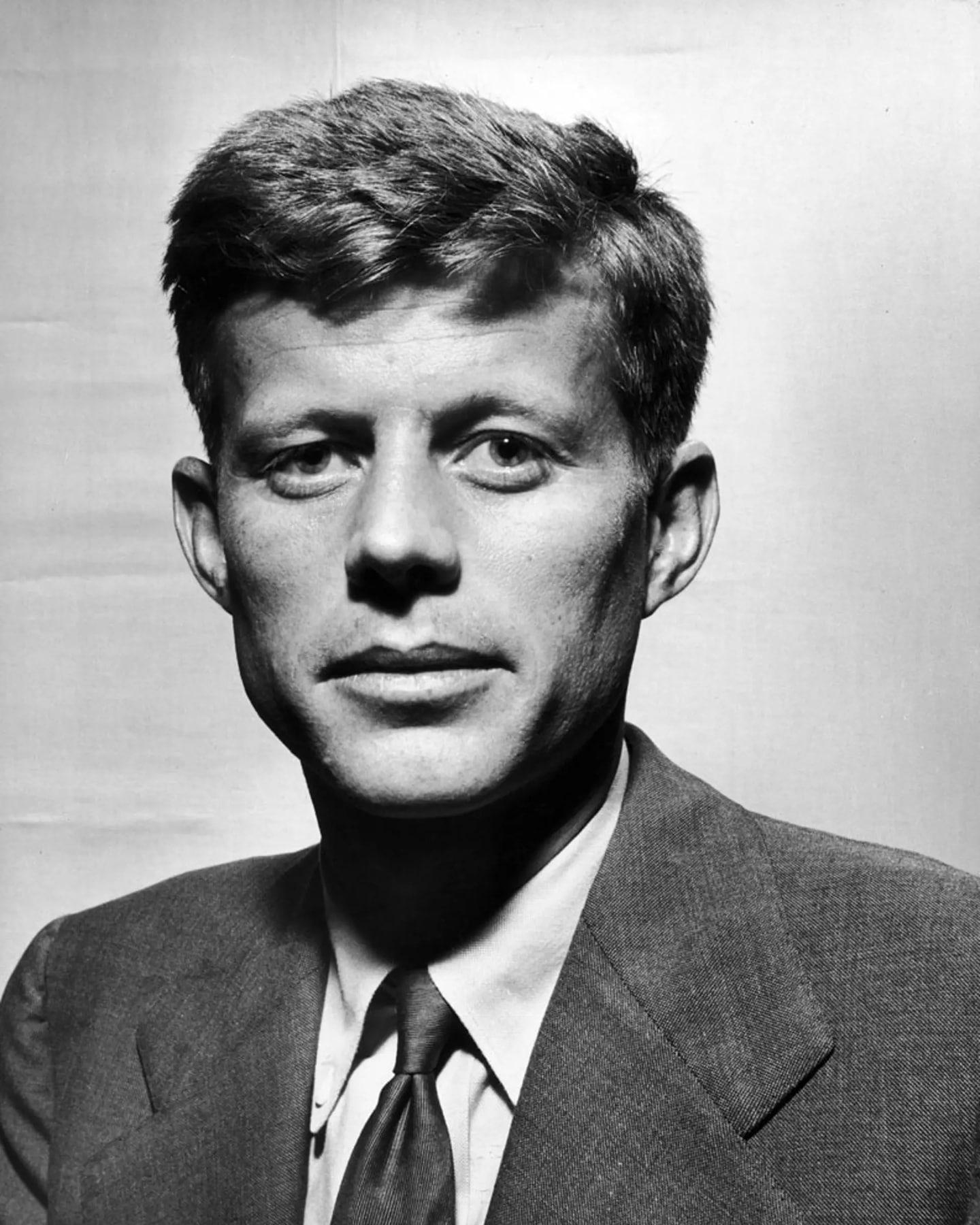
Kennedy’s rise kept running through rooms where approval, suspicion and allegiance mattered as much as policy: a Catholic candidate selling himself to a Protestant-majority electorate, a young senator beating Henry Cabot Lodge, a president using the first televised debates to look steadier than Nixon. The central friction here is people—who trusts him, who follows him, who feels represented—not merely chaotic events. That Decider emphasis is a real strength in public leadership because it tracks morale and legitimacy. The blind spot is assuming the right coalition or presentation can settle problems that still resist persuasion.