The Personality Atlas
THE CELEBRITY PERSONALITY ARCHIVE / FILM & TELEVISION

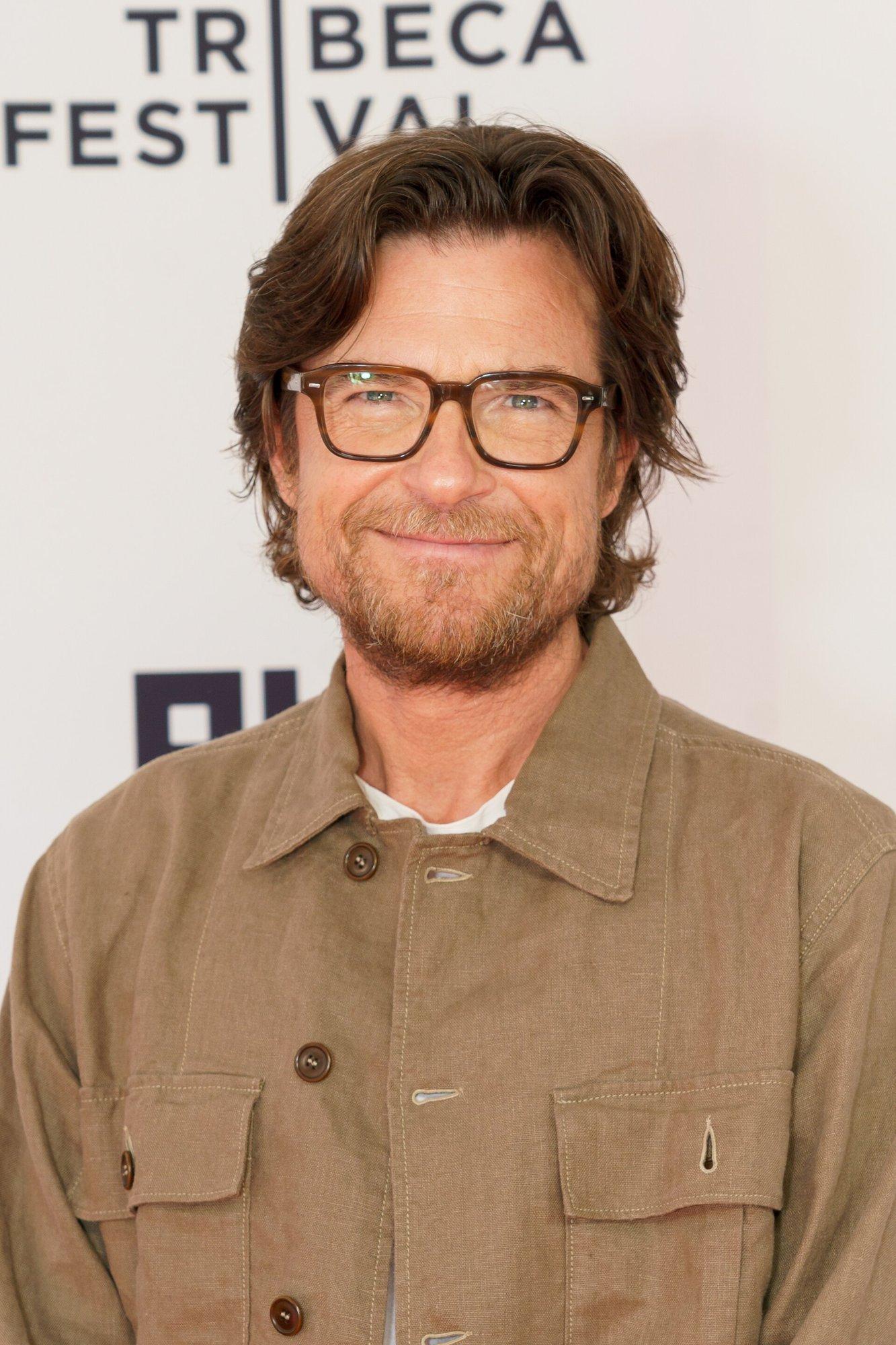
Jason Bateman.

Actor · Director · Podcast Host

Jason Bateman built one of Hollywood’s steadiest second acts by turning child-actor mileage, dry comic timing and a taste for sharper material into a career that spans Arrested Development, Ozark, directing Emmys and the hugely successful SmartLess podcast.

OBJECTIVE PERSONALITY CLASSIFICATIONFF-Fi/Ne-CS/P(B)What does this mean?
PERSONALITY SYSTEMObjective Personality
LEAD FUNCTIONFi · Introverted Feeling
SECOND SAVIOR FUNCTIONNe · Extroverted Intuition
MBTI EQUIVALENTINFP
01 / BEHIND THE CLASSIFICATION

The personality behind the fame.

How does a recorded OPS classification like FF-Fi/Ne-CS/P(B) break down? Walk through nine coins and watch the proposed type take shape. These are deductions from the archived code, not independent evidence of typing accuracy.

Scroll below to see Jason Bateman take shape.

STARTING POINT512 possible OPS typesEach type combines core functions, an animal order, and sexual modalities.
THE FINISH LINEFF-Fi/Ne-CS/P(B)One recorded classification, decoded from its components.
Jason Bateman’s HUMAN NEEDS 01—03
01
DECIDER OR OBSERVER?

Decider over Observer

Deciders have more balanced Observer poles in the middle: Control (Oi) and Chaos (Oe). Organizing what's known and handling what's new tend to feel more manageable. People are the harder territory. Self (Di) and Tribe (De) sit at the extremes, so judgment, rejection, approval, and conflict can trigger the strongest reactions.

Bateman’s most publicly awkward moments have tended to be about people, not logistics. The 2018 Arrested Development cast interview became a relationship problem: he tried to smooth over Jeffrey Tambor’s behavior toward Jessica Walter, then publicly apologized and later said he had overreached. That is classic Decider terrain—judgment, allegiance, tone, whose perspective gets protected. The strength is social responsiveness: he can read a room and try to de-escalate it. The blind spot is assuming a tidy interpersonal explanation can resolve a conflict that still requires clearer accountability.


D
02
SELF OR TRIBE?

Di · Self over De · Tribe

Self (Di) is the stronger deciding pole. They check decisions against their own values or reasons first: what makes sense to me, what feels right to me? The strength is independent conviction; the recurring friction is the Tribe (De)—other people's standards, feedback, and expectations. As the portrait unfolds, notice how Self takes the lead.

Self over Tribe shows up less in Bateman’s dry confidence than in where he places the final standard. He dissolved the business relationship with his father at 20 after years of being managed inside a family whose finances depended heavily on his work. Later, he kept steering toward roles and directing projects that fit his own bar, from Bad Words to Ozark. The strength is independence under pressure. The cost is that a personally reasonable read can stay too centered on his judgment before fully accounting for how others received it.

Di
03
GATHER OR ORGANIZE?

Oe · Gather over Oi · Organize

Gather (Oe) leads with new information, experiences, and possibilities. Its strength is curiosity and adaptability; the recurring friction is narrowing the options and settling into what is already known. Another layer of the personality portrait comes into focus.

Bateman’s career is unusually hard to lock into one lane: child sitcom actor, teen idol, comedy lead, dramatic lead, voice actor, director, producer, podcast host. That spread fits Gather over Organize. New openings are not treated as contamination of the brand; they are material. It helps explain jumps from Arrested Development to Ozark to SmartLess without needing one tidy reinvention story. The advantage is range and adaptability. The blind spot is that a life rich in options still has to choose which possibility deserves the next several years of concentrated commitment.

Oe
FIRST THREE COINSD + Di + Oe

These establish the preferred human needs in the OPS framework.

Jason Bateman’s FUNCTIONS 04—05
04
FEELING OR THINKING?

Feeling · F over Thinking · T

Feeling (F) evaluates decisions through values, meaning, and what matters—not simply through emotion. Its strength is a clear sense of significance; Thinking (T) provides balance through impersonal reasons, consistency, and evidence. Combined with Self (Di), this forms the recorded Savior Fi.

Feeling here points specifically to Fi: a private values meter that wants to decide what sits right before the explanation gets socialized. You can see it in Bateman’s public correction after the Jessica Walter controversy. He did not hide behind cast chemistry forever; he later said he had overreached in trying to analyze Tambor’s behavior. Fi’s strength is ownership: the standard has to feel personally defensible, not merely PR-safe. Its limit is scale. A personal read of fairness can still miss what another person experienced in the same room.

F → Fi
05
SENSING OR INTUITION?

Intuition · N over Sensing · S

Intuition (N) focuses on concepts, patterns, and what information might mean. Sensing (S) balances it through observable facts, physical detail, and direct experience. Combined with Gather (Oe), this gives the recorded Savior Ne.

Intuition, and specifically Ne, helps make sense of how Bateman keeps finding the next version of the career without discarding the old one. The actor from The Hogan Family becomes Michael Bluth, then Marty Byrde, then a podcast co-creator, then an Emmy-winning drama director. Each move treats a role as a doorway to several others. The strength is spotting adjacent possibilities early. The cost is that possibility does not rank itself. A promising slate of acting, directing and producing opportunities still needs one direction to win enough time and attention to become excellent.

N → Ne
THE TWO SAVIOR FUNCTIONSFi / Ne

Opposing functions: Te and Si.

Jason Bateman’s ANIMAL STACK 06—07
06
CONSUME OR BLAST?

Consume over Blast

Consume gathers information for internal processing; Blast organizes and communicates information. The recorded order is Consume → Sleep → Play → Blast. This comparison follows their positions in that stack.

Between Consume and Blast, Bateman’s public path leans first on taking in material. He spent decades accumulating comic timing, ensemble experience, dramatic range, and on-set craft before turning more fully toward directing episodes of Ozark and films like Bad Words and The Family Fang. Consume’s strength is depth: there is usually more in the toolkit than the surface performance suggests. The tradeoff is postponement. When someone keeps learning from the next role, the next set, the next project, a clean, forceful conclusion can arrive later than the preparation that earned it.

C > B
07
PLAY OR SLEEP?

Sleep over Play

Play emphasizes external real-time engagement; Sleep emphasizes internal processing. The recorded stack places Sleep earlier.

Sleep comes earlier than Play, which helps explain why Bateman can look effortless in company without seeming driven by constant external ping-pong. SmartLess, ensemble comedies, and decades on sets show he can absolutely engage, riff and collaborate. But the sharper pattern is private consolidation first: absorb the material, settle on an internal read, then step into the exchange. That makes for steadiness and dry control under pressure. The growth cost is spontaneity. If the inward version hardens too quickly, fresh input from other people can arrive as something to manage instead of something to use.

S > P
Jason Bateman’s ANIMAL ORIENTATION 08—09
08
INFO OR ENERGY DOMINANT?

Energy over Info

Energy dominant means Play and Sleep are both in the top three: there is access to expending energy through engagement and conserving it through internal processing. Blast last leaves the information side uneven—Consume may gather far more than gets communicated.

His recorded animal pattern lands on Energy over Info: private processing and outward engagement both make the top three, while the missing pressure point sits at the end. That tracks with a career balancing acting, directing and podcasting without looking like a nonstop speech machine. Bateman can gather experience, sit with it, and then activate when the project needs real interaction. The blind spot is Blast last. More roles, more takes and more refinement can feel productive while the larger takeaway stays implied. The growth edge is clearer delivery, not just richer preparation.

Energy
09
INTROVERSION OR EXTROVERSION?

Introversion over Extroversion

The last animal, Blast, determines this OPS coin: Play or Blast last means Introversion; Consume or Sleep last means Extroversion. This describes animal orientation, not sociability or shyness.

Blast is fourth, which is why this coin lands on OPS Introversion even though Bateman has spent his life on camera and behind a microphone. The question is not whether he can charm a set or co-host a successful podcast. He obviously can. The question is how naturally private understanding becomes a direct, shared conclusion. With Consume and Sleep arriving first, there is more runway for absorbing and internally shaping than for broadcasting the settled point. His growth edge is simple and difficult: say the takeaway sooner, before wit or competence lets everyone else fill in the missing message.

I
Sexual Modalities

The four sexual modalities.

OPS uses masculine/feminine sensory and extroverted-deciding distinctions as framework-specific terms, not gender categories. The four modalities are already included in the original 512 types. The recorded modality is FF · Tester.

MM KinestheticMasculine Sensory · Masculine De
MF AudioMasculine Sensory · Feminine De
FF RECORDED MODALITYTesterFeminine Sensory · Feminine De
FM VisualFeminine Sensory · Masculine De
COMPLETE RECORDED OPS TYPE · MODALITY INCLUDEDFF-Fi/Ne-CS/P(B)

Fi leads, Ne supports, and the animal stack is Consume → Sleep → Play → Blast.

THE FINISHED PORTRAIT · ALL NINE COINS REVEALED

Jason Bateman's complete function and animal stack

ConsumeSleepPlayBlastmFimNefSifTe
FF-Fi/Ne-CS/P(B)DOUBLE ACTIVATED · CONSUMEExplore the Interactive Coin Builder →
THE JASON BATEMAN LENS

The calm operator behind the calm.

Jason Bateman is often cast as the calm operator: Michael Bluth managing chaos, Marty Byrde sounding measured while danger escalates, the SmartLess co-host who can puncture a story with one dry line. That impression of effortless control hides a career under pressure from childhood, when his acting income materially supported the family and the next job was never entirely abstract.

Fi paired with Ne gives him a sharp engine: a private standard about what he can stand behind, paired with an eye for the next adjacent opening. It helps explain the jump from sitcoms to Ozark, directing, voice work and podcasting. The limit is that a convincing personal read plus several good options can postpone the blunt external call.

As a Decider and Double Observer, Bateman is managing people-judgment first while still carrying enough information flexibility to avoid one rigid script. The imbalance is human needs: whose perspective counts, who gets protected, what responsibility sounds fair. Neglected Te sits opposite lead Fi, so the missing piece is not conviction but a clearer, more impersonal statement of the logic.

Consume → Sleep → Play → Blast leaves Blast last: plenty of intake, private calibration and real interaction before the final public conclusion. That supports the cool, controlled persona, but it can also leave others filling in his meaning. The balancing move is specific: keep the wit, then add one plain summary or directive before the room has to guess.

Want to understand the Savior and Demon states behind these nine coins? Explore the complete explanation, visual examples, and typing principles on our Methodology page →

02 / KEEP EXPLORING

Different faces. Familiar patterns.

Explore other celebrities with related recorded OPS classifications. Related functions are not necessarily exact type matches.

Discover Type Twins
YOUR TURN

Curious about your own type?

Discover how your own personality might be classified through Objective Personality.

Get objectively typed
Jason Bateman's Personality Type & OPS Profile | The Personality Atlas