
The Personality Atlas
THE CELEBRITY PERSONALITY ARCHIVE / FILMMAKING

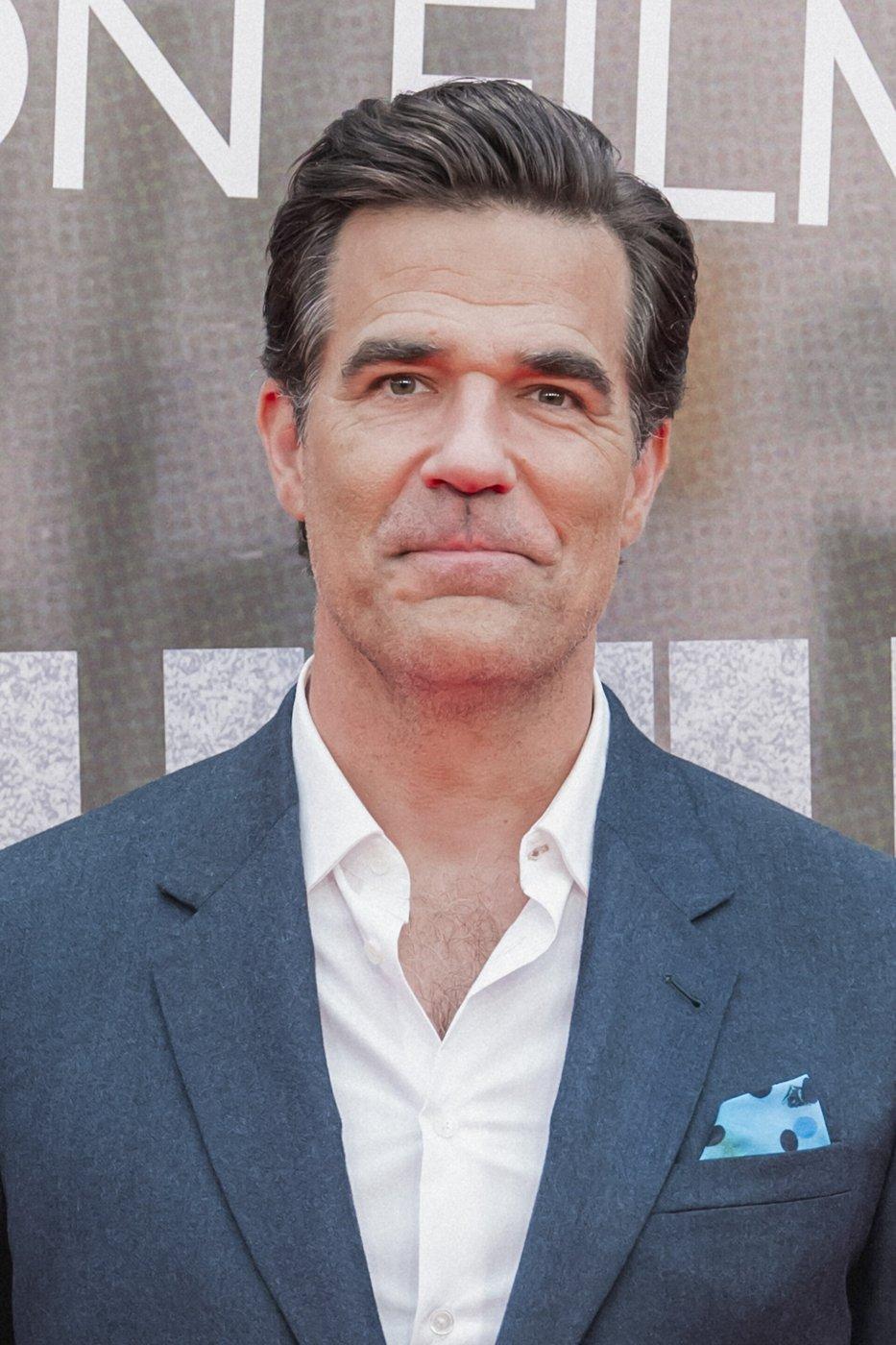
Guillermo Del Toro.

Filmmaker · Writer · Producer

Guillermo del Toro turned monsters, fairy tales, war imagery, Catholic symbolism, and handmade craft into one of modern cinema’s most recognizable signatures. Across Cronos, Pan’s Labyrinth, Hellboy, The Shape of Water, Pinocchio, and Cabinet of Curiosities, he keeps making the grotesque feel tender, political, and strangely sacred.

OBJECTIVE PERSONALITY CLASSIFICATIONMF-Ne/Ti-CP/S(B) #4What does this mean?
PERSONALITY SYSTEMObjective Personality
LEAD FUNCTIONNe · Extroverted Intuition
SECOND SAVIOR FUNCTIONTi · Introverted Thinking
MBTI EQUIVALENTENTP
01 / BEHIND THE CLASSIFICATION

The personality behind the fame.

How does a recorded OPS classification like MF-Ne/Ti-CP/S(B) #4 break down? Walk through nine coins and watch the proposed type take shape. These are deductions from the archived code, not independent evidence of typing accuracy.

Scroll below to see Guillermo Del Toro take shape.

STARTING POINT512 possible OPS typesEach type combines core functions, an animal order, and sexual modalities.
THE FINISH LINEMF-Ne/Ti-CP/S(B) #4One recorded classification, decoded from its components.
Guillermo Del Toro’s HUMAN NEEDS 01—03
01
DECIDER OR OBSERVER?

Observer over Decider

Observers have more balanced Decider poles in the middle: Self (Di) and Tribe (De). Their own perspective and other people's perspectives tend to be easier to navigate. Things are the harder territory. Control (Oi) and Chaos (Oe) sit at the extremes, so disrupted plans, uncertainty, and a changing world can trigger the strongest reactions.

Del Toro’s career keeps running into stubborn reality. The stop-motion sci-fi feature Omnivore collapsed after vandals destroyed years of puppets and sets; The Hobbit stalled until he finally left because MGM delays kept stretching the project; he later said five projects were rejected in two months. That pattern reads less like people-approval drama than circumstances refusing to cooperate. The strength is resilience inside chaos: he reroutes into Cronos, Pinocchio, or the next medium. The blind spot is assuming the next environmental fix will finally create a stable lane for all the ideas at once.

O
02
SELF OR TRIBE?

Di · Self over De · Tribe

Self (Di) is the stronger deciding pole. They check decisions against their own values or reasons first: what makes sense to me, what feels right to me? The strength is independent conviction; the recurring friction is the Tribe (De)—other people's standards, feedback, and expectations. As the portrait unfolds, notice how Self takes the lead.

His public line “I hate structure” says a lot about where Del Toro looks for authority. He kept building dark fairy tales, Catholic imagery, and monster-centered stories across Spanish-language and Hollywood projects instead of sanding himself down to a safer studio identity. That self-reference is a strength: the films feel authored, not assembled by committee. It also carries a cost. A strong internal standard can make outside demands feel like interference, whether the pressure comes from institutions, financiers, or a market that wants something simpler than a Guillermo del Toro world.

Di
03
GATHER OR ORGANIZE?

Oe · Gather over Oi · Organize

Gather (Oe) leads with new information, experiences, and possibilities. Its strength is curiosity and adaptability; the recurring friction is narrowing the options and settling into what is already known. Another layer of the personality portrait comes into focus.

Very few careers zigzag like his. Del Toro moves from Cronos to Hellboy, from Pan’s Labyrinth to Pacific Rim, from The Strain novels to Trollhunters, Cabinet of Curiosities, Death Stranding, and stop-motion Pinocchio. Gather over Organize shows up in that restless appetite for another format, another mythology, another way to tell the story. The advantage is range: he can keep opening doors that a narrower brand would miss. The growth cost is selectivity. A life full of possibilities still has to choose which one deserves the next decade of development and disappointment.

Oe
FIRST THREE COINSO + Di + Oe

These establish the preferred human needs in the OPS framework.

Guillermo Del Toro’s FUNCTIONS 04—05
04
FEELING OR THINKING?

Thinking · T over Feeling · F

Thinking (T) evaluates decisions through reasons, logic, and what works—not a lack of emotion. Its strength is analytical consistency; Feeling (F) provides balance through values, meaning, and the human consequences of a decision. Combined with Self (Di), this forms the recorded Savior Ti.

Del Toro’s public arguments tend to arrive as systems, not vibes. His skepticism about AI in filmmaking was not just aesthetic disgust; he framed art as something defined by risk, effort, and human stakes, then rejected the idea of prompts as a creative solution. The same hard internal logic shows up when he calls one kind of horror “pro-institution” and another anarchic. Ti’s strength is building a coherent framework that can cut through fashion. The blind spot is that a personally airtight model can sound uncompromising to people who need diplomacy, consensus, or practical compromise.

T → Ti
05
SENSING OR INTUITION?

Intuition · N over Sensing · S

Intuition (N) focuses on concepts, patterns, and what information might mean. Sensing (S) balances it through observable facts, physical detail, and direct experience. Combined with Gather (Oe), this gives the recorded Savior Ne.

Del Toro rarely treats a monster as just a monster. He links fairy tales, war, Catholic symbolism, insects, underworld imagery, and political power into one imaginative field, whether in Pan’s Labyrinth, The Shape of Water, or his long pursuit of Frankenstein. That is Intuition doing more than decorating a frame; it keeps asking what else the image could mean. The strength is visionary synthesis. The cost is friction with concrete limits. Financing, schedules, and physical production do not care how beautifully a concept rhymes with the rest of a lifelong mythology.

N → Ne
THE TWO SAVIOR FUNCTIONSNe / Ti

Opposing functions: Si and Fe.

Guillermo Del Toro’s ANIMAL STACK 06—07
06
CONSUME OR BLAST?

Consume over Blast

Consume gathers information for internal processing; Blast organizes and communicates information. The recorded order is Consume → Play → Sleep → Blast. This comparison follows their positions in that stack.

Consume comes earlier than Blast in Del Toro’s stack, and his public life gives that away in glorious excess. He spent years studying special effects and make-up, cited obscure vampire writers he loves, built houses around books and artifacts, and turned At Home with Monsters into a museum-scale display of collected influences. The strength is depth: he does not skim a genre, he inhabits it. The blind spot sits on the Blast side. Gathering one more reference or enriching one more corner of the world can delay the cleaner, simpler statement that a collaborator or studio needs.

C > B
07
PLAY OR SLEEP?

Play over Sleep

Play emphasizes external real-time engagement; Sleep emphasizes internal processing. The recorded stack places Play earlier.

Play arrives before Sleep, which fits a creator who keeps making worlds with other people in real time. Del Toro co-founded festivals and production companies, created Mirada as a collaborative space, built franchises with DreamWorks and Netflix, and has long worked inside creative friendships like the “Three Amigos.” The advantage of earlier Play is momentum through exchange: ideas get sharper once they are moving between builders. The tradeoff is that collaboration can keep the engine running so fast that the quieter Sleep work of fully settling, simplifying, or editing inward has to fight for room.

P > S
Guillermo Del Toro’s ANIMAL ORIENTATION 08—09
08
INFO OR ENERGY DOMINANT?

Energy over Info

Energy dominant means Play and Sleep are both in the top three: there is access to expending energy through engagement and conserving it through internal processing. Blast last leaves the information side uneven—Consume may gather far more than gets communicated.

Del Toro lands on the Energy side because private processing and outward engagement both show up before the final missing piece. You can see that balance in a career that alternates obsessive incubation with huge collaborative productions, from Pan’s Labyrinth to Cabinet of Curiosities and Pinocchio. He can recharge inside a private imaginative world and then re-enter the group build. What gets deprioritized is Blast. The growth cost is not lack of ideas or effort; it is turning a dense universe into a crisp directive early enough that backers, crews, and audiences do not have to infer the plan.

Energy
09
INTROVERSION OR EXTROVERSION?

Introversion over Extroversion

The last animal, Blast, determines this OPS coin: Play or Blast last means Introversion; Consume or Sleep last means Extroversion. This describes animal orientation, not sociability or shyness.

Del Toro is publicly warm, connected, and very visible, but this coin is not a sociability test. Blast sits last, so Consume, Play, and Sleep all come before the work of broadcasting a settled conclusion; that is why the recorded type lands on Introversion here. He can give interviews, collect awards, and maintain major creative partnerships while still preferring richer intake and internal shaping over blunt final messaging. The strength is a textured inner world. The blind spot is that people around him may need the thesis sooner, plainer, and with fewer beautiful side corridors.

I
Sexual Modalities

The four sexual modalities.

OPS uses masculine/feminine sensory and extroverted-deciding distinctions as framework-specific terms, not gender categories. The four modalities are already included in the original 512 types. The recorded modality is MF · Audio.

MM KinestheticMasculine Sensory · Masculine De
MF RECORDED MODALITYAudioMasculine Sensory · Feminine De
FF TesterFeminine Sensory · Feminine De
FM VisualFeminine Sensory · Masculine De
ADDITIONAL LAYER · SOCIAL TYPE

The four social types.

Social types are an additional layer on top of the original Objective Personality classification, introduced later in OPS research. They describe two proposed social preference coins: Flex vs. Friends and Generalize vs. Specialize. The combination and priority of these preferences produce four social types. Guillermo Del Toro's recorded social type is #4.

SOCIAL #1 #1Flex · Generalize
SOCIAL #2 #2Generalize · Friends
SOCIAL #3 #3Specialize · Flex
SOCIAL #4 RECORDED SOCIAL TYPE#4Friends · Specialize
COMPLETE RECORDED OPS TYPE · MODALITY INCLUDED + SOCIAL TYPEMF-Ne/Ti-CP/S(B) #4

Ne leads, Ti supports, and the animal stack is Consume → Play → Sleep → Blast.

THE FINISHED PORTRAIT · ALL NINE COINS REVEALED

Guillermo Del Toro's complete function and animal stack

ConsumePlaySleepBlastfNemTifFemSi
MF-Ne/Ti-CP/S(B) #4DOUBLE ACTIVATED · CONSUMEExplore the Interactive Coin Builder →
THE GUILLERMO DEL TORO LENS

The collector who turns monsters into arguments.

Del Toro can look like pure gothic spectacle: amber light, insects, saints, ghosts, and creatures with mournful eyes. But At Home with Monsters clarified the person behind the image—a lifelong collector who grew up around books and exotic animals, made Super 8 shorts as a child, and never stopped treating objects as story engines.

His Ne/Ti pairing is a real advantage. He can connect fairy tales, war, Catholic imagery, and monsters into one imaginative system, then defend the logic underneath it in interviews and scripts. The limit is equally concrete: the more intricate the private framework becomes, the more collaborators need a simpler map.

As an Observer and Double Decider, Del Toro is solving uncertainty in the world more than constant people-significance drama, and that Observer status pairs exactly with Double Decider. The imbalance sits between expanding possibilities and stable structure. His neglected function is Si, opposite his lead Ne, so repeatable order becomes the growth tax.

Consume → Play → Sleep → Blast shows why the archive can outrun the summary. With Blast last, the issue is not missing vision but delaying the plain shared directive. Balance means keeping the texture while forcing an early one-page statement of theme, rules, and production priorities before the beautiful side corridors multiply.

Want to understand the Savior and Demon states behind these nine coins? Explore the complete explanation, visual examples, and typing principles on our Methodology page →

02 / KEEP EXPLORING

Different faces. Familiar patterns.

Explore other celebrities with related recorded OPS classifications. Related functions are not necessarily exact type matches.

Discover Type Twins
YOUR TURN

Curious about your own type?

Discover how your own personality might be classified through Objective Personality.

Get objectively typed
Guillermo Del Toro's Personality Type & OPS Profile | The Personality Atlas