The Personality Atlas
THE CELEBRITY PERSONALITY ARCHIVE / FILM

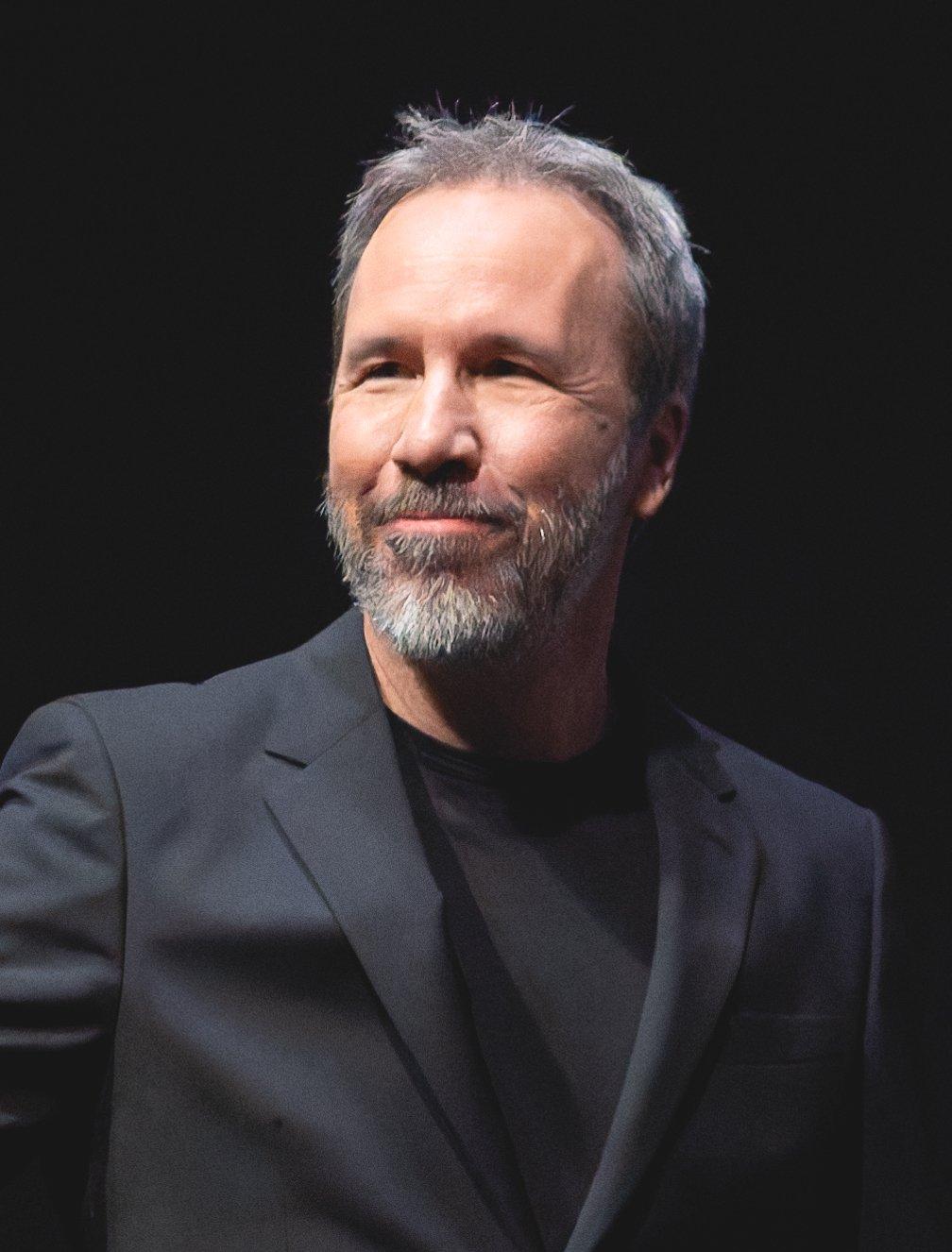
Denis Villeneuve.

Film Director · Screenwriter

From Incendies to Arrival, Blade Runner 2049 and the Dune films, Denis Villeneuve has made a career out of taking intimidating material and giving it a severe, immersive cinematic shape—precise enough to feel engineered, strange enough to feel half-discovered.

OBJECTIVE PERSONALITY CLASSIFICATIONMF-Ne/Fi-CS/P(B)What does this mean?
PERSONALITY SYSTEMObjective Personality
LEAD FUNCTIONNe · Extroverted Intuition
SECOND SAVIOR FUNCTIONFi · Introverted Feeling
MBTI EQUIVALENTENFP
01 / BEHIND THE CLASSIFICATION

The personality behind the fame.

How does a recorded OPS classification like MF-Ne/Fi-CS/P(B) break down? Walk through nine coins and watch the proposed type take shape. These are deductions from the archived code, not independent evidence of typing accuracy.

Scroll below to see Denis Villeneuve take shape.

STARTING POINT512 possible OPS typesEach type combines core functions, an animal order, and sexual modalities.
THE FINISH LINEMF-Ne/Fi-CS/P(B)One recorded classification, decoded from its components.
Denis Villeneuve’s HUMAN NEEDS 01—03
01
DECIDER OR OBSERVER?

Observer over Decider

Observers have more balanced Decider poles in the middle: Self (Di) and Tribe (De). Their own perspective and other people's perspectives tend to be easier to navigate. Things are the harder territory. Control (Oi) and Chaos (Oe) sit at the extremes, so disrupted plans, uncertainty, and a changing world can trigger the strongest reactions.

Villeneuve’s public career keeps circling projects where the main fight is with scale, timing and stubborn reality. A French-language director from Quebec moves into Hollywood, tackles Arrival, then Blade Runner 2049, then spends roughly five years getting Dune to release—only to watch Blade Runner win acclaim and still underperform commercially. That pattern points to Observer friction: the problem is the terrain itself, not whether he can impress the room. His strength is adapting to difficult material. The blind spot is assuming one more solved circumstance will finally make the whole path feel controllable.

O
02
SELF OR TRIBE?

Di · Self over De · Tribe

Self (Di) is the stronger deciding pole. They check decisions against their own values or reasons first: what makes sense to me, what feels right to me? The strength is independent conviction; the recurring friction is the Tribe (De)—other people's standards, feedback, and expectations. As the portrait unfolds, notice how Self takes the lead.

When Villeneuve declined an earlier chance to direct No Time to Die in order to make Dune, he chose an inner standard over an obvious prestige lane. His later Bond statement—calling the character “sacred territory” and promising to honor the tradition—has the same stamp: he wants to stand behind the choice personally, not merely inherit a successful machine. Self over Tribe gives a director a clear authorship filter. The cost is that a conviction can become so internally settled that other people’s priorities arrive late, after the emotional investment is already locked in.

Di
03
GATHER OR ORGANIZE?

Oe · Gather over Oi · Organize

Gather (Oe) leads with new information, experiences, and possibilities. Its strength is curiosity and adaptability; the recurring friction is narrowing the options and settling into what is already known. Another layer of the personality portrait comes into focus.

Villeneuve’s filmography refuses one settled lane. He moves from French-language dramas to thrillers, then to cerebral science fiction, while remaining attached to projects as different as Cleopatra, Rendezvous with Rama, Nuclear War: A Scenario and Bond 26. Gather over Organize thrives in that kind of open creative field, where another world, another genre or another adaptation may offer the more interesting door. The strength is range without obvious fear of reinvention. The growth cost is selectivity: a filmmaker cannot pursue every compelling possibility with equal depth, no matter how promising each one looks at first.

Oe
FIRST THREE COINSO + Di + Oe

These establish the preferred human needs in the OPS framework.

Denis Villeneuve’s FUNCTIONS 04—05
04
FEELING OR THINKING?

Feeling · F over Thinking · T

Feeling (F) evaluates decisions through values, meaning, and what matters—not simply through emotion. Its strength is a clear sense of significance; Thinking (T) provides balance through impersonal reasons, consistency, and evidence. Combined with Self (Di), this forms the recorded Savior Fi.

After taking a pause from filmmaking to “recenter his life,” Villeneuve returned with Polytechnique, a controversial black-and-white film about the 1989 Montreal shooting. That is a useful public example of Fi: the decision is anchored in personal significance and inner conviction rather than in what would look commercially safest. Fi can give his work moral seriousness and a refusal to make every choice by committee. Its blind spot is that a deeply felt standard does not automatically answer every external question about framing, audience needs or how a difficult subject will land beyond the creator’s own certainty.

F → Fi
05
SENSING OR INTUITION?

Intuition · N over Sensing · S

Intuition (N) focuses on concepts, patterns, and what information might mean. Sensing (S) balances it through observable facts, physical detail, and direct experience. Combined with Gather (Oe), this gives the recorded Savior Ne.

Arrival is built around communication with extraterrestrial intelligence; Dune required splitting a famously daunting novel into two critically and commercially successful films. Villeneuve’s Ne shows up less as random novelty and more as an instinct for hidden cinematic openings inside material that can look forbidding on paper. He keeps seeing another angle, another route, another possibility worth pursuing. That is a real creative advantage in modern filmmaking. The cost is compression. When the mind keeps generating conceptual doors, it can become harder to reduce the project to one plain, immediate takeaway that everyone else can follow quickly.

N → Ne
THE TWO SAVIOR FUNCTIONSNe / Fi

Opposing functions: Si and Te.

Denis Villeneuve’s ANIMAL STACK 06—07
06
CONSUME OR BLAST?

Consume over Blast

Consume gathers information for internal processing; Blast organizes and communicates information. The recorded order is Consume → Sleep → Play → Blast. This comparison follows their positions in that stack.

Villeneuve’s path from writing screenplays and making short films in secondary school to studying science and then cinema gives the Consume versus Blast tension a concrete shape. Consume builds the reservoir first: absorb references, ideas, craft, atmosphere, technical language, source material. That depth helps explain why his films rarely feel tossed off. The tradeoff is equally visible. The more interesting and layered the intake becomes, the easier it is to postpone the blunt public step of saying exactly what the film is, in the clearest terms, before the whole machine is already moving.

C > B
07
PLAY OR SLEEP?

Sleep over Play

Play emphasizes external real-time engagement; Sleep emphasizes internal processing. The recorded stack places Sleep earlier.

After Consume, Sleep shows up earlier than Play, and Villeneuve’s biography gives that pattern a rare literal example: he stepped away from filmmaking to “recenter his life” before returning with Polytechnique. Sleep over Play suggests an artist who needs private consolidation before wider exchange can be fully useful. The strength is a body of work that feels internally digested rather than merely reactive. The cost is timing. If too much has to be settled alone first, collaboration risks arriving after the core interpretation is already emotionally finished, leaving less room for live reshaping in the open.

S > P
Denis Villeneuve’s ANIMAL ORIENTATION 08—09
08
INFO OR ENERGY DOMINANT?

Energy over Info

Energy dominant means Play and Sleep are both in the top three: there is access to expending energy through engagement and conserving it through internal processing. Blast last leaves the information side uneven—Consume may gather far more than gets communicated.

Villeneuve’s stack is Energy-dominant, which fits a director whose top priorities include both private refinement and active real-world engagement while the final weak point is not effort but outward simplification. Mary Parent said that even on the huge Dune productions, there were moments that felt almost like an independent film, and she praised how smart he is about where to spend money. That balance is the strength: conserve, focus, then act. The blind spot sits in the missing Blast. A vision can be deeply felt and efficiently pursued while still remaining harder than necessary to state in one crisp, shared directive.

Energy
09
INTROVERSION OR EXTROVERSION?

Introversion over Extroversion

The last animal, Blast, determines this OPS coin: Play or Blast last means Introversion; Consume or Sleep last means Extroversion. This describes animal orientation, not sociability or shyness.

Villeneuve’s OPS Introversion result does not conflict with giant franchises, festival prestige or working with enormous crews. Blast sits last, so the question is not whether he can operate publicly; it is whether broadcasting a settled conclusion comes later than gathering, processing and engaging. His style—long takes, precise mise-en-scène, periods of wordless silence—already hints at that preference. The strength is trusting images and atmosphere to carry meaning without overexplaining. The growth edge is making the intended through-line explicit enough that collaborators and audiences do not have to reverse-engineer the whole thesis from the mood alone.

I
Sexual Modalities

The four sexual modalities.

OPS uses masculine/feminine sensory and extroverted-deciding distinctions as framework-specific terms, not gender categories. The four modalities are already included in the original 512 types. The recorded modality is MF · Audio.

MM KinestheticMasculine Sensory · Masculine De
MF RECORDED MODALITYAudioMasculine Sensory · Feminine De
FF TesterFeminine Sensory · Feminine De
FM VisualFeminine Sensory · Masculine De
COMPLETE RECORDED OPS TYPE · MODALITY INCLUDEDMF-Ne/Fi-CS/P(B)

Ne leads, Fi supports, and the animal stack is Consume → Sleep → Play → Blast.

THE FINISHED PORTRAIT · ALL NINE COINS REVEALED

Denis Villeneuve's complete function and animal stack

ConsumeSleepPlayBlastfNemFifTemSi
MF-Ne/Fi-CS/P(B)DOUBLE ACTIVATED · CONSUMEExplore the Interactive Coin Builder →
THE DENIS VILLENEUVE LENS

The scale hides the selector.

By the time Villeneuve arrived at Dune, the public image was already fixed: the modern high priest of scale, silence and immaculate surfaces. But that image sits on a longer path through Quebec cinema, smaller dramas, and even a deliberate pause from filmmaking to recenter his life before returning sharper.

His Ne/Fi pairing helps explain why intimidating material keeps becoming his territory. Ne spots another doorway into a story that looks unfilmable; Fi decides which doorway is worth devoting years to. That combination produces conviction and originality. Its limit is that a personally meaningful direction can stay too implicit for collaborators who need the thesis said plainly.

As an Observer and Double Decider, Villeneuve naturally puts more pressure on managing uncertainty, scale and missing pieces than on prolonged people-versus-self drama. That is the human-needs imbalance here: control-and-chaos questions can take over the dashboard while the personal side feels comparatively easier to metabolize. Neglected Si is the cost—locking a stable, repeatable through-line and trusting what has already been established.

Consume → Sleep → Play → Blast fits a director who absorbs, refines, then engages before finally reducing everything to the clearest shared message. Blast last can leave the destination felt more strongly than it is plainly announced. The balancing move is not smaller ambition; it is forcing the film’s core sentence onto the wall early so the crew can build toward the same target without flattening his visual strength.

Want to understand the Savior and Demon states behind these nine coins? Explore the complete explanation, visual examples, and typing principles on our Methodology page →

02 / KEEP EXPLORING

Different faces. Familiar patterns.

Explore other celebrities with related recorded OPS classifications. Related functions are not necessarily exact type matches.

Discover Type Twins
YOUR TURN

Curious about your own type?

Discover how your own personality might be classified through Objective Personality.

Get objectively typed
Denis Villeneuve's Personality Type & OPS Profile | The Personality Atlas