Observer over Decider
Observers have more balanced Decider poles in the middle: Self (Di) and Tribe (De). Their own perspective and other people's perspectives tend to be easier to navigate. Things are the harder territory. Control (Oi) and Chaos (Oe) sit at the extremes, so disrupted plans, uncertainty, and a changing world can trigger the strongest reactions.
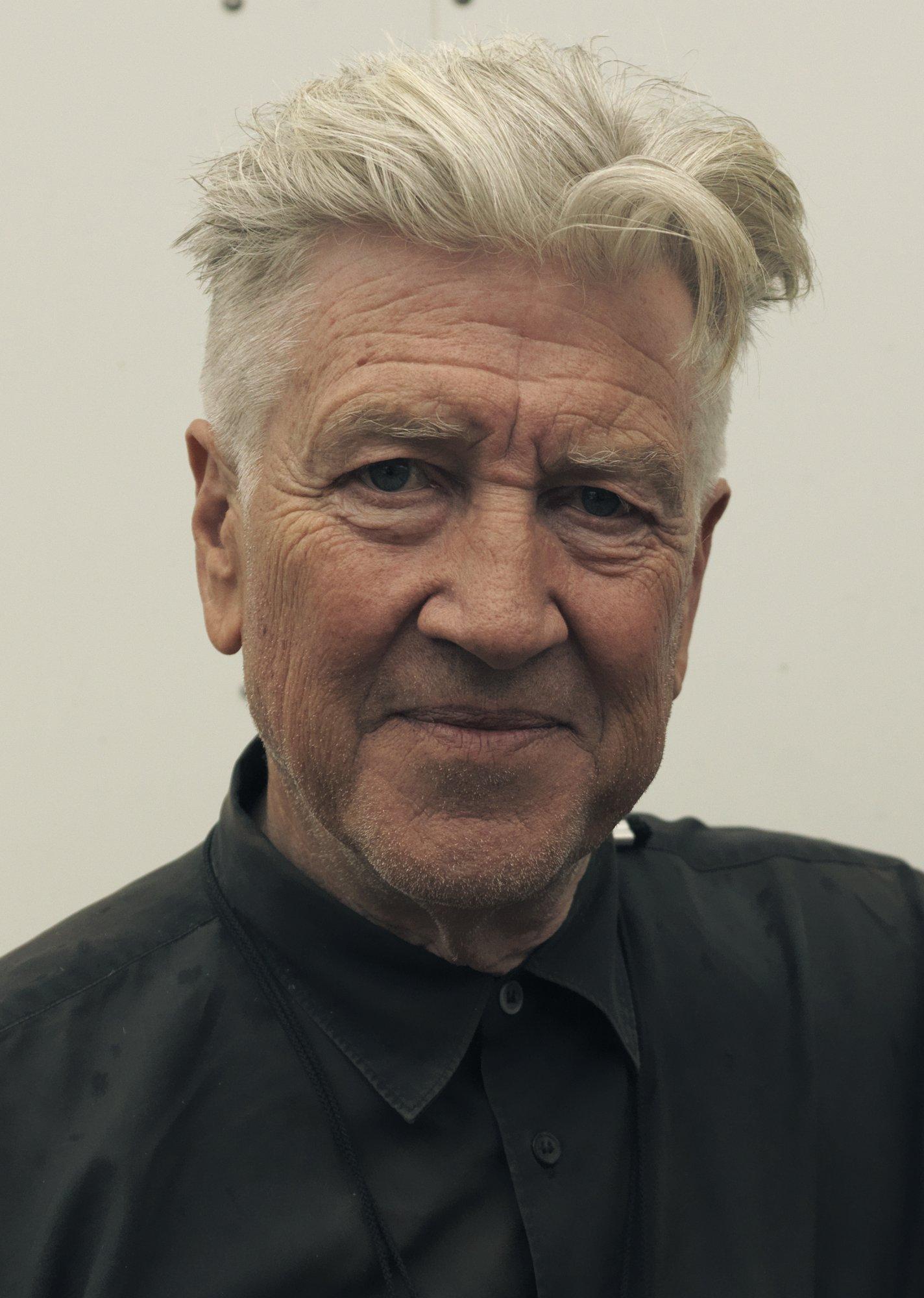
Lynch’s career is full of stubborn circumstances that would not simply cooperate: Eraserhead took five years because money kept running out, and Dune became the film he later disowned after studio interference and loss of final cut. That pattern points to Observer friction—the battle is with conditions, systems, timing and chaos more than with personal status. The advantage is resilience inside uncertainty; he kept building through abandoned stables, paper routes and stop-start production. The blind spot is that changing the environment can start to look like the main solution, even when a harder human decision still has to be made.