The Personality Atlas
THE CELEBRITY PERSONALITY ARCHIVE / FILM & TELEVISION

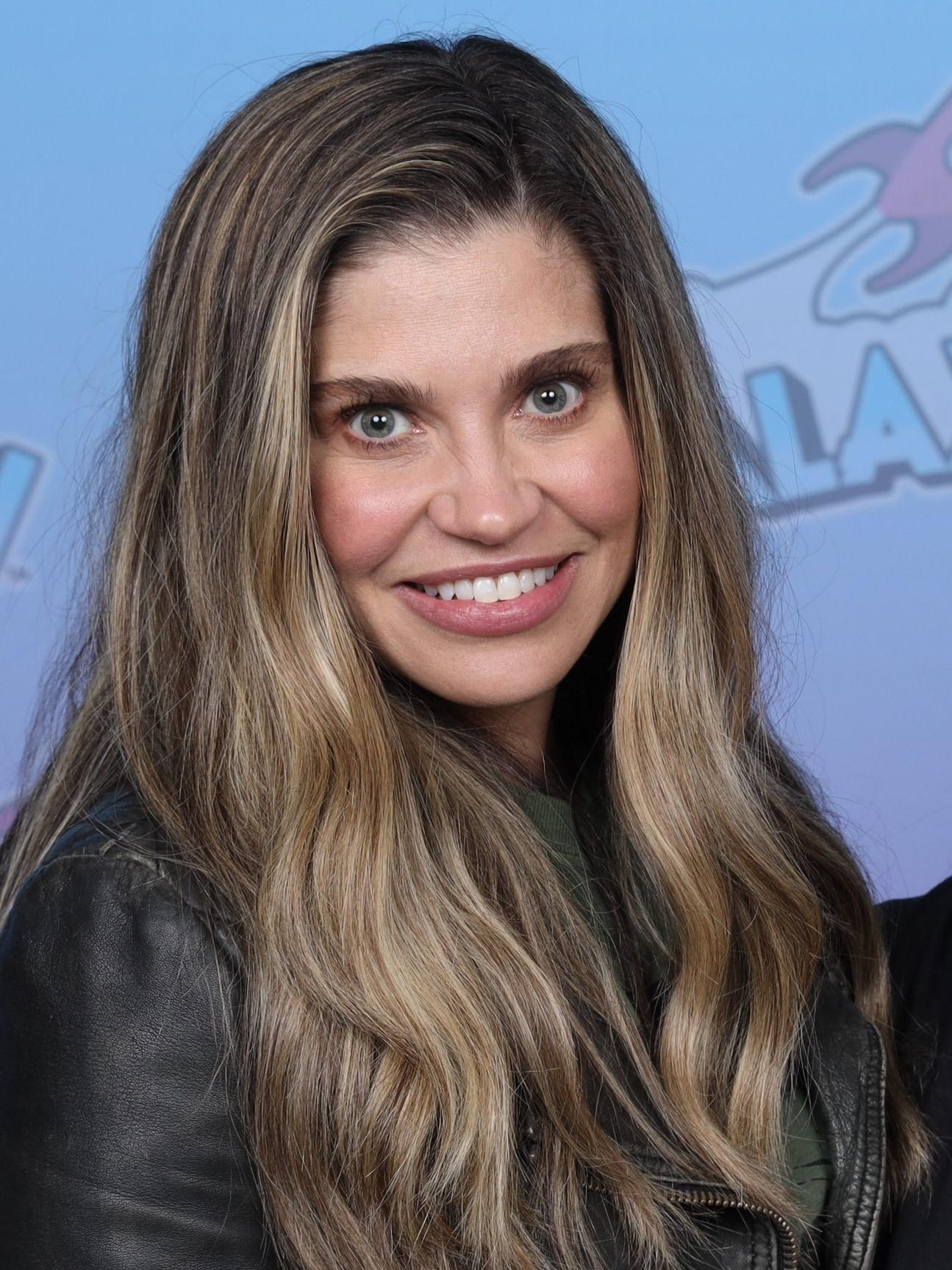
Danielle Fishel.

Actor · Director · Television Host

Danielle Fishel turned a replacement casting on Boy Meets World into one of 1990s television’s most durable characters, then refused to live on nostalgia alone. She moved from sitcom fame to pop-culture hosting, Disney directing, and the Pod Meets World rewatch chair—a career that keeps putting her in the position of framing the story, steering the room, and making the next beat legible to everyone else.

OBJECTIVE PERSONALITY CLASSIFICATIONMF-Te/Ni-BP/C(S)What does this mean?
PERSONALITY SYSTEMObjective Personality
LEAD FUNCTIONTe · Extroverted Thinking
SECOND SAVIOR FUNCTIONNi · Introverted Intuition
MBTI EQUIVALENTENTJ
01 / BEHIND THE CLASSIFICATION

The personality behind the fame.

How does a recorded OPS classification like MF-Te/Ni-BP/C(S) break down? Walk through nine coins and watch the proposed type take shape. These are deductions from the archived code, not independent evidence of typing accuracy.

Scroll below to see Danielle Fishel take shape.

STARTING POINT512 possible OPS typesEach type combines core functions, an animal order, and sexual modalities.
THE FINISH LINEMF-Te/Ni-BP/C(S)One recorded classification, decoded from its components.
Danielle Fishel’s HUMAN NEEDS 01—03
01
DECIDER OR OBSERVER?

Decider over Observer

Deciders have more balanced Observer poles in the middle: Control (Oi) and Chaos (Oe). Organizing what's known and handling what's new tend to feel more manageable. People are the harder territory. Self (Di) and Tribe (De) sit at the extremes, so judgment, rejection, approval, and conflict can trigger the strongest reactions.

At 12, Fishel was brought onto Boy Meets World after another actress was let go, and Topanga went from a small part to a regular. That origin story is pure people-pressure: being chosen, judged, and then having to keep earning a place inside a cast and a network machine. Later, the chemistry of Pod Meets World keeps that relational burden visible in a different form. A Decider pattern puts the friction in roles, expectations, and who is aligned with whom. The strength is social decisiveness. The blind spot is treating every strained dynamic like the main problem, even when circumstances simply need patience.
D
02
SELF OR TRIBE?

De · Tribe over Di · Self

Tribe (De) is the stronger deciding pole. They check decisions against people, shared standards, and what works for the group: what do we need, what will others think? The strength is coordination and responsiveness; the recurring friction is the Self (Di)—knowing and defending their own position. As the portrait unfolds, notice how Tribe takes the lead.

Fishel’s public work repeatedly asks her to organize for other people. Hosting The Dish and serving as a correspondent meant delivering usable commentary on cue, not just a personally satisfying reaction. Directing episodes of Girl Meets World, Raven’s Home, and Sydney to the Max pushes that even further: a crew needs clear calls, timing, and standards they can follow. Tribe-first decision-making is strong at making choices legible and practical. The growth cost is familiar: when usefulness becomes your currency, you can keep meeting the room’s needs so efficiently that your own quieter priorities arrive late.

De
03
GATHER OR ORGANIZE?

Oi · Organize over Oe · Gather

Organize (Oi) leads with refining, preserving, and structuring what is already known. Its strength is preparation and clear direction; the recurring friction is unexpected change that disrupts the plan. Another layer of the personality portrait comes into focus.

Her career is less “try every identity” than “build a lane and keep refining it.” The same person who turned Topanga into a durable television figure later returned to that role as an adult, directed within the Disney ecosystem, and now helps revisit the material on Pod Meets World. Organize-first prefers a settled frame it can deepen rather than endless novelty for novelty’s sake. The strength is continuity: she can stabilize a brand, a set, or a long-running conversation. The blind spot is narrowing early, assuming the known structure is the best one before newer options get a fair test.

Oi
FIRST THREE COINSD + De + Oi

These establish the preferred human needs in the OPS framework.

Danielle Fishel’s FUNCTIONS 04—05
04
FEELING OR THINKING?

Thinking · T over Feeling · F

Thinking (T) evaluates decisions through reasons, logic, and what works—not a lack of emotion. Its strength is analytical consistency; Feeling (F) provides balance through values, meaning, and the human consequences of a decision. Combined with Tribe (De), this forms the recorded Savior Te.

Thinking shows up in how work gets made, not in whether someone looks warm on camera. Fishel’s move into directing children’s television, along with the public fact that she became a math tutor while at Cal State Fullerton, both point toward an external logic of structure, execution, and what actually works. Te is good at turning loose ideas into instructions, deadlines, and finished scenes. That practicality is a real strength. Its void appears when efficiency becomes the default answer: a clear solution can move the day along while missing subtler emotional timing that does not announce itself as a problem.

T → Te
05
SENSING OR INTUITION?

Intuition · N over Sensing · S

Intuition (N) focuses on concepts, patterns, and what information might mean. Sensing (S) balances it through observable facts, physical detail, and direct experience. Combined with Organize (Oi), this gives the recorded Savior Ni.

Intuition fits the long arc of her public career better than a purely detail-by-detail reading. Topanga was not just a role she played and left behind; it became a throughline she later revisited in Girl Meets World and now reframes through a rewatch podcast. Ni narrows toward what the story means over time and where it is heading next. That gives Fishel a strong sense of continuity and direction. The cost is that a strong throughline can become a filter: once the arc feels clear, immediate facts or alternate routes may get less weight than they deserve.

N → Ni
THE TWO SAVIOR FUNCTIONSTe / Ni

Opposing functions: Fi and Se.

Danielle Fishel’s ANIMAL STACK 06—07
06
CONSUME OR BLAST?

Blast over Consume

Consume gathers information for internal processing; Blast organizes and communicates information. The recorded order is Blast → Play → Consume → Sleep. This comparison follows their positions in that stack.

Between Consume and Blast, Fishel’s recorded type puts Blast earlier. That matches a career built around getting the point across: sitcom beats that have to land cleanly, hosting assignments that require fast summaries, directing work where other people need the plan in plain language, and a podcast built on revisiting and framing familiar material. The advantage is obvious—she can package information so a room can use it. The blind spot is reaching conclusion mode too quickly. More clarity is not always more depth, and sometimes the sharper move is taking in one more piece before declaring the takeaway.

B > C
07
PLAY OR SLEEP?

Play over Sleep

Play emphasizes external real-time engagement; Sleep emphasizes internal processing. The recorded stack places Play earlier.

After that outward emphasis, Play also comes earlier than Sleep. You can see it in a career that keeps returning to live exchange with other people: ensemble sitcom work, hosting formats, a three-person rewatch podcast, even stepping onto Dancing with the Stars where the process is public and collaborative in real time. Play brings responsiveness, motion, and the willingness to hash things out with others instead of waiting for perfect internal certainty. The tradeoff is that retreat can lose the calendar fight. When interaction stays active and productive, private processing is easy to postpone until it starts charging interest.

P > S
Danielle Fishel’s ANIMAL ORIENTATION 08—09
08
INFO OR ENERGY DOMINANT?

Info over Energy

Info dominant means Consume and Blast are both in the top three: gathering and communicating information are more balanced. Sleep last leaves the energy side uneven—Play can keep engagement going without enough private recovery.

Fishel’s stack lands on Info over Energy, which suits someone whose public life keeps circling around communication roles: actor in a heavily verbal sitcom, pop-culture host, correspondent, director giving notes, podcaster revisiting a famous series. The strength of Info dominance is the loop between taking things in and making them understandable for others. That loop has career mileage. The missing balance comes from Sleep sitting outside the top three. She can stay busy exchanging, explaining, and participating while inner reset time looks optional. It usually isn’t; the bill for skipped consolidation just arrives later, off camera.

Info
09
INTROVERSION OR EXTROVERSION?

Extroversion over Introversion

The last animal, Sleep, determines this OPS coin: Play or Blast last means Introversion; Consume or Sleep last means Extroversion. This describes animal orientation, not sociability or shyness.

Her last animal is Sleep, which makes this OPS Extroversion—not because she seems bubbly, but because private processing comes later than the outward work of interacting, consuming, and broadcasting. That distinction matters. A person can be polished, nostalgic, maternal, funny, or camera-ready and still be typed here by the order of priorities, not by vibe. Fishel’s public résumé supports that outward tilt: long ensemble work, hosting, directing, podcasting, competition television. The growth edge is deliberately making room for unspectacular reflection, so her next public answer is chosen instead of merely the next one required.

E
Sexual Modalities

The four sexual modalities.

OPS uses masculine/feminine sensory and extroverted-deciding distinctions as framework-specific terms, not gender categories. The four modalities are already included in the original 512 types. The recorded modality is MF · Audio.

MM KinestheticMasculine Sensory · Masculine De
MF RECORDED MODALITYAudioMasculine Sensory · Feminine De
FF TesterFeminine Sensory · Feminine De
FM VisualFeminine Sensory · Masculine De
COMPLETE RECORDED OPS TYPE · MODALITY INCLUDEDMF-Te/Ni-BP/C(S)

Te leads, Ni supports, and the animal stack is Blast → Play → Consume → Sleep.

THE FINISHED PORTRAIT · ALL NINE COINS REVEALED

Danielle Fishel's complete function and animal stack

BlastPlayConsumeSleepfTefNimSemFi
MF-Te/Ni-BP/C(S)DOUBLE ACTIVATED · PLAYExplore the Interactive Coin Builder →
THE DANIELLE FISHEL LENS

The organizer behind Topanga

Danielle Fishel is easy to freeze in amber as Topanga, but her public career keeps revealing the person who has to steer the set and retell the story. She entered Boy Meets World after another actress was replaced, turned a small role into a regular, returned for Girl Meets World, and now helps shape the memory of all of it on Pod Meets World.

Her savior pairing is Te/Ni: Te makes the call usable for other people, while Ni keeps tightening the long arc. That combination fits the move from actor to director and host, where framing the point matters as much as delivering it. The limit is competence hardening into certainty; once the path looks obvious, extra input can seem less necessary than it really is.

As a Decider and Double Observer, Fishel is managing people-pressure more than chaos-pressure. Roles, approval, usefulness, and alignment with others carry more psychological weight than changing circumstances, which Double Observer can often absorb without much wobble. The neglected function opposite her lead savior is Fi, so private value-checking can trail behind publicly effective decisions.

Blast → Play → Consume → Sleep gives her an outward, information-forward order, with Sleep last and therefore OPS Extroversion in Atlas terms. The strain is not sociability; it is skipping the private reset before the next note session, recording, or directing decision. Keep the sharp hosting and directing voice, but build a protected review pause before major commitments so the message stays clear without outrunning what she actually wants.

Want to understand the Savior and Demon states behind these nine coins? Explore the complete explanation, visual examples, and typing principles on our Methodology page →

02 / KEEP EXPLORING

Different faces. Familiar patterns.

Explore other celebrities with related recorded OPS classifications. Related functions are not necessarily exact type matches.

Discover Type Twins
YOUR TURN

Curious about your own type?

Discover how your own personality might be classified through Objective Personality.

Get objectively typed
Danielle Fishel's Personality Type & OPS Profile | The Personality Atlas