The Personality Atlas
THE CELEBRITY PERSONALITY ARCHIVE / FILM & ART

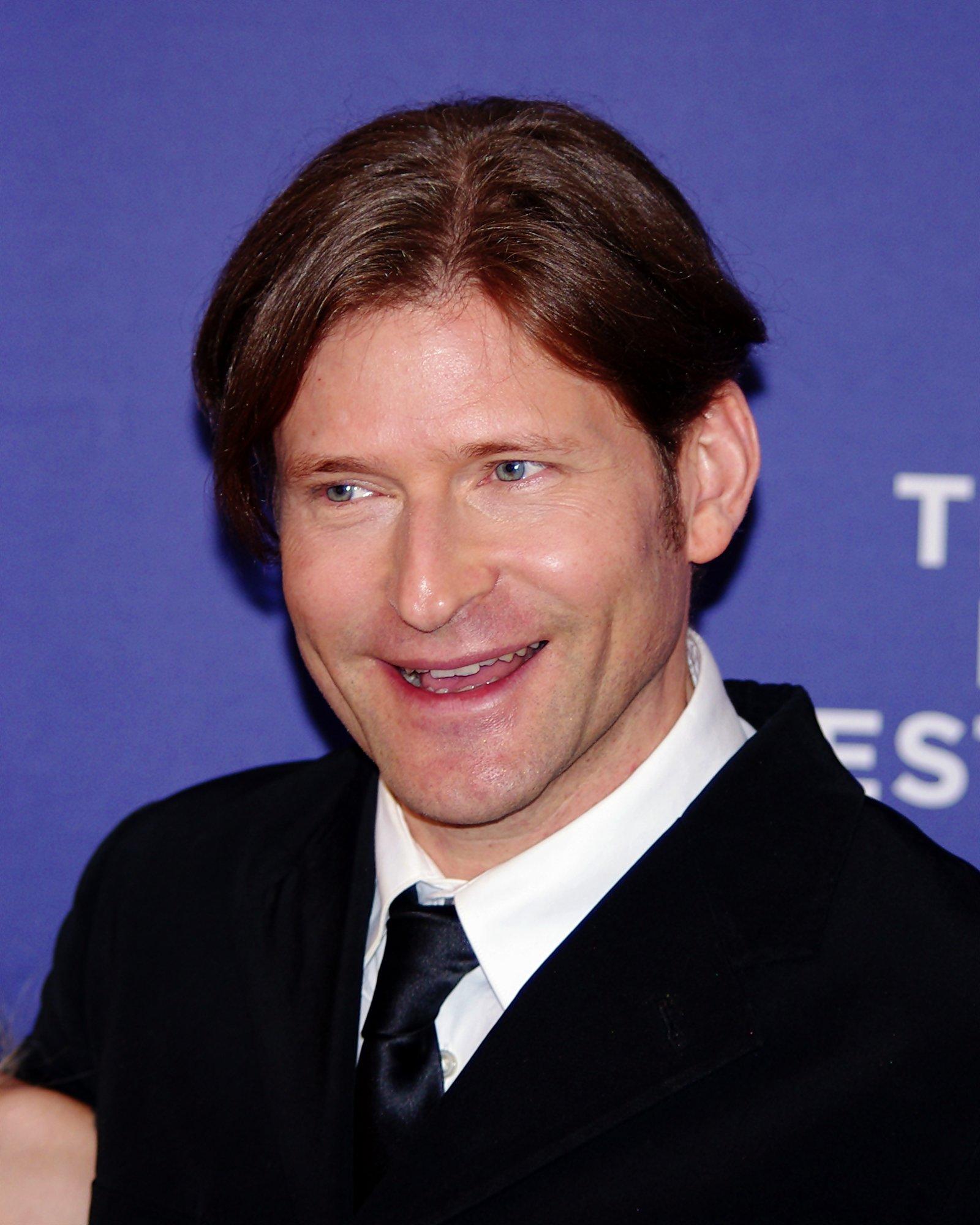
Crispin Glover.

Actor · Filmmaker · Author · Artist

Crispin Glover has spent decades turning “eccentric character actor” into something much more controlled and self-authored: George McFly in Back to the Future, the mute Thin Man in Charlie’s Angels, Mr. World in American Gods, plus handmade books, touring slide shows, and self-financed films he has chosen to present on his own terms rather than through ordinary release channels.

OBJECTIVE PERSONALITY CLASSIFICATIONFM-Ti/Si-SB/P(C) #3What does this mean?
PERSONALITY SYSTEMObjective Personality
LEAD FUNCTIONTi · Introverted Thinking
SECOND SAVIOR FUNCTIONSi · Introverted Sensing
MBTI EQUIVALENTINTP
01 / BEHIND THE CLASSIFICATION

The personality behind the fame.

How does a recorded OPS classification like FM-Ti/Si-SB/P(C) #3 break down? Walk through nine coins and watch the proposed type take shape. These are deductions from the archived code, not independent evidence of typing accuracy.

Scroll below to see Crispin Glover take shape.

STARTING POINT512 possible OPS typesEach type combines core functions, an animal order, and sexual modalities.
THE FINISH LINEFM-Ti/Si-SB/P(C) #3One recorded classification, decoded from its components.
Crispin Glover’s HUMAN NEEDS 01—03
01
DECIDER OR OBSERVER?

Decider over Observer

Deciders have more balanced Observer poles in the middle: Control (Oi) and Chaos (Oe). Organizing what's known and handling what's new tend to feel more manageable. People are the harder territory. Self (Di) and Tribe (De) sit at the extremes, so judgment, rejection, approval, and conflict can trigger the strongest reactions.

Glover’s most visible clashes tend to center on people, judgment and competing standards rather than simple bad luck. During Back to the Future, he objected to the ending’s value system, later did not return for the sequels amid disagreements and a salary dispute, and then successfully sued when his likeness was reused without permission. That pattern fits Decider friction: the world is navigable, but human agreements are not. The strength is unusual resistance to social pressure. The blind spot is that a principled stand can become the headline while the shared project recedes.


D
02
SELF OR TRIBE?

Di · Self over De · Tribe

Self (Di) is the stronger deciding pole. They check decisions against their own values or reasons first: what makes sense to me, what feels right to me? The strength is independent conviction; the recurring friction is the Tribe (De)—other people's standards, feedback, and expectations. As the portrait unfolds, notice how Self takes the lead.

Self over Tribe shows up in how stubbornly Glover preserves his own standard even inside large commercial systems. He pushed to remove the Thin Man’s explanatory dialogue in Charlie’s Angels because he wanted a more exact image for the character, and after Back to the Future he actively pursued films that matched his own interests instead of simply repeating the safest studio lane. The strength is a career with authorship. The cost is obvious: a privately satisfying decision can create friction with collaborators who still have to make the larger machine run.

Di
03
GATHER OR ORGANIZE?

Oi · Organize over Oe · Gather

Organize (Oi) leads with refining, preserving, and structuring what is already known. Its strength is preparation and clear direction; the recurring friction is unexpected change that disrupts the plan. Another layer of the personality portrait comes into focus.

Organize over Gather is visible in how Glover builds stable systems around his work instead of endlessly chasing the next option. He bought and renovated a historic Czech château, turned former horse stables into sound stages, spent years finishing films there, and tours his own screenings rather than handing them to a standard distribution model. That is not random experimentation; it is controlled world-building. The strength is coherence and durability. The blind spot is that once the structure exists, changing course gets expensive and new possibilities have to fight their way past an already settled plan.

Oi
FIRST THREE COINSD + Di + Oi

These establish the preferred human needs in the OPS framework.

Crispin Glover’s FUNCTIONS 04—05
04
FEELING OR THINKING?

Thinking · T over Feeling · F

Thinking (T) evaluates decisions through reasons, logic, and what works—not a lack of emotion. Its strength is analytical consistency; Feeling (F) provides balance through values, meaning, and the human consequences of a decision. Combined with Self (Di), this forms the recorded Savior Ti.

Thinking is the clearer judging lens here. Glover’s public disputes often turn on internal consistency, not diplomacy: his objection to Back to the Future’s ending was about what the story seemed to reward, his lawsuit focused on the unauthorized use of his likeness, and his Thin Man choice removed lines he saw as mere exposition. The strength is clean conceptual precision. He can strip away what feels false or unnecessary. The growth cost is relational: a logically exact position can still create confusion, resistance or unnecessary distance if other people only experience the sharpness.

T → Ti
05
SENSING OR INTUITION?

Sensing · S over Intuition · N

Sensing (S) focuses on concrete details, observable reality, and lived experience. Intuition (N) balances it by looking for broader patterns, concepts, and implications. Combined with Organize (Oi), this gives the recorded Savior Si.

Sensing is unusually concrete in Glover’s career. He repeatedly reworks existing material rather than floating above it: public-domain books become altered art objects, old novels are physically blacked out and rebuilt, 16 mm and 35 mm film stock matter to him, and Beowulf even had him delivering dialogue in Old English. His Czech property is also a literal restoration project. The strength is fidelity to texture, artifact and craft. The blind spot is that precise attachment to what is already tangible can make novelty pass through a harsher filter before it earns a place.

S → Si
THE TWO SAVIOR FUNCTIONSTi / Si

Opposing functions: Fe and Ne. This is a jumper classification.

Crispin Glover’s ANIMAL STACK 06—07
06
PLAY OR SLEEP?

Sleep over Play

Play emphasizes external real-time engagement; Sleep emphasizes internal processing. The recorded stack places Sleep earlier.

Sleep over Play fits the long private incubation built into Glover’s work. What Is It? took nearly a decade to complete, his later films were shot intermittently across years, and even his unpublished 500-page novel suggests a person willing to sit with material far longer than most public careers reward. The strength is compression: by the time the work appears, it has usually been thoroughly processed. The blind spot is that real-time exchange can arrive late, after the inner version is already so formed that outside interaction feels more like interruption than fuel.

S > P
07
CONSUME OR BLAST?

Blast over Consume

Consume gathers information for internal processing; Blast organizes and communicates information. The recorded order is Sleep → Blast → Play → Consume. This comparison follows their positions in that stack.

Blast over Consume shows in the way Glover packages and delivers a finished frame once he has decided what the project is. His films do not simply appear; he tours them with live screenings and the Big Slide Show, controlling how audiences encounter the material. Even the Thin Man choice in Charlie’s Angels was about sharpening the image rather than adding more explanation. The strength is memorable transmission. He can make a strange idea land with shape. The cost is that presenting the conclusion can outrun the slower task of taking in more outside information.

B > C
Crispin Glover’s ANIMAL ORIENTATION 08—09
08
INFO OR ENERGY DOMINANT?

Energy over Info

Energy dominant means Play and Sleep are both in the top three: there is access to expending energy through engagement and conserving it through internal processing. Consume last leaves the information side uneven—Blast may broadcast more than gets taken in.

This stack is Energy-dominant because both Sleep and Play are in the top three, while Consume is last. Glover’s public life shows that balance well: long private incubation, then active outward delivery through acting, live performance and touring exhibitions. He can conserve and engage, which is why the work does not stay trapped in solitude. The missing balance sits with intake. Once the frame is built, there can be more momentum for presenting, performing and protecting it than for reopening it to fresh source material, competing readings or inconvenient outside data.

Energy
09
INTROVERSION OR EXTROVERSION?

Extroversion over Introversion

The last animal, Consume, determines this OPS coin: Play or Blast last means Introversion; Consume or Sleep last means Extroversion. This describes animal orientation, not sociability or shyness.

This Extroversion result is easy to misread because Glover’s persona can seem private, controlled and withholding. In OPS, though, last Consume points to someone for whom new intake is the pressure point, not someone who must look socially outgoing. His public pattern is to process internally, define the frame, then push it into the world through performances, tours and roles. The strength is decisive outward movement. The growth edge is staying permeable a little longer—letting another source, question or perspective revise the frame before it hardens into the final presentation.

E
Sexual Modalities

The four sexual modalities.

OPS uses masculine/feminine sensory and extroverted-deciding distinctions as framework-specific terms, not gender categories. The four modalities are already included in the original 512 types. The recorded modality is FM · Visual.

MM KinestheticMasculine Sensory · Masculine De
MF AudioMasculine Sensory · Feminine De
FF TesterFeminine Sensory · Feminine De
FM RECORDED MODALITYVisualFeminine Sensory · Masculine De
ADDITIONAL LAYER · SOCIAL TYPE

The four social types.

Social types are an additional layer on top of the original Objective Personality classification, introduced later in OPS research. They describe two proposed social preference coins: Flex vs. Friends and Generalize vs. Specialize. The combination and priority of these preferences produce four social types. Crispin Glover's recorded social type is #3.

SOCIAL #1 #1Flex · Generalize
SOCIAL #2 #2Generalize · Friends
SOCIAL #3 RECORDED SOCIAL TYPE#3Specialize · Flex
SOCIAL #4 #4Friends · Specialize
COMPLETE RECORDED OPS TYPE · MODALITY INCLUDED + SOCIAL TYPEFM-Ti/Si-SB/P(C) #3

Ti leads, Si supports, and the animal stack is Sleep → Blast → Play → Consume.

THE FINISHED PORTRAIT · ALL NINE COINS REVEALED

Crispin Glover's complete function and animal stack

SleepBlastPlayConsumefTimNefSimFe
FM-Ti/Si-SB/P(C) #3DOUBLE ACTIVATED · BLASTExplore the Interactive Coin Builder →
THE CRISPIN GLOVER LENS

The deliberate man behind the spectacle

The public image is easy to caricature: the 1987 Letterman appearance, the platform shoes, the sudden kick that sent the host backward. But the more telling pattern is what came after: a man who kept building his own routes, from touring Big Slide Show performances to carrying his self-directed films theater by theater instead of waiting for normal distribution to bless them.

Ti with Si gives Glover a gift for exacting curation. You can see it in his insistence on deleting the Thin Man’s expository dialogue, in his altered public-domain books, and in his devotion to specific film stocks and inherited materials. The same precision can become a limit when a project is so fully defined in his own frame that collaboration mainly arrives after the structure is already fixed.

As a Decider and Double Observer, his recurring strain is less about chaos in the world than about how to hold his own standards amid other people’s demands, expectations and interpretations. That Observer breadth helps him manage complex projects, but the unmet human need sits with Fe, the neglected function opposite his lead Ti: openly tracking shared impact, consensus and relational maintenance before the dispute becomes the story.

Sleep → Blast → Play → Consume shows a creator who first consolidates, then defines, then engages, with new intake last. That last-Consume imbalance can look like pushing the finished frame harder than reopening it to fresh material. Keep the exactness, but before the next film or tour locks, invite one sharp outside reader or editor to challenge the frame on purpose.

Want to understand the Savior and Demon states behind these nine coins? Explore the complete explanation, visual examples, and typing principles on our Methodology page →

02 / KEEP EXPLORING

Different faces. Familiar patterns.

Explore other celebrities with related recorded OPS classifications. Related functions are not necessarily exact type matches.

Discover Type Twins
YOUR TURN

Curious about your own type?

Discover how your own personality might be classified through Objective Personality.

Get objectively typed
Crispin Glover's Personality Type & OPS Profile | The Personality Atlas