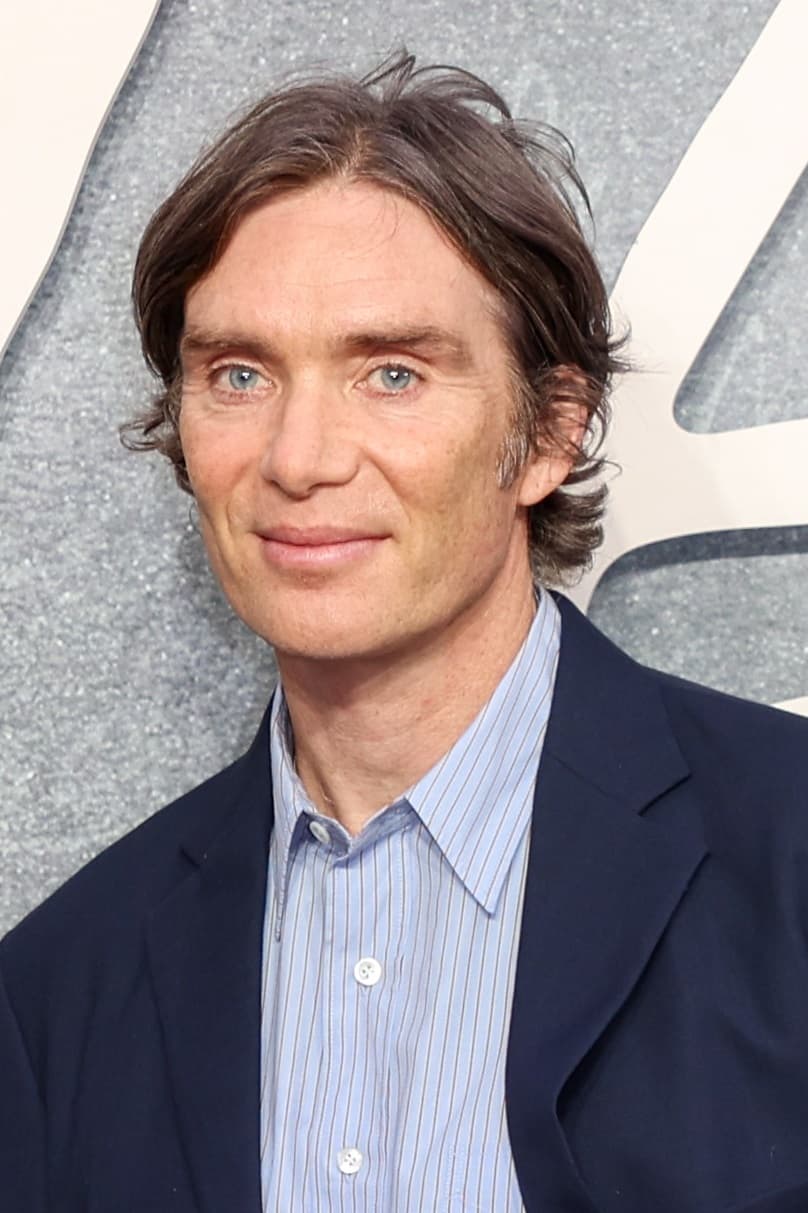
Peaky Blinders and Oppenheimer show Murphy making silence, gaze, and restraint carry immense dramatic weight. His reserved public presence contrasts with characters whose decisions reshape entire worlds.
Peaky Blinders and Oppenheimer show an actor who can dominate a scene with minimal expression. His strength is disciplined understatement; the shadow is how quickly audiences mistake reserve for mystery they are entitled to decode.
Cillian's Se Savior points toward immediate facts, opportunities, and real-time action. That strength can also become the reflex that gets overused when pressure rises. As a Double Decider, Cillian has relatively more access to both Self and Tribe; winning approval or asserting an individual position is not the core imbalance. The sharper stressor is the missing Ni observer function: narrowing competing possibilities, looking beyond the next immediate reaction, and anticipating second-order consequences. Greater balance means practicing that less-preferred territory rather than pushing the dominant instinct harder.
Cillian's animal stack (Consume → Sleep → Play → Blast) offers another pressure test. Consume comes naturally first, while Blast sits last. In practical terms, balance would mean learning to put private conclusions into words and make them available for scrutiny. That is the uncomfortable growth edge worth looking for—not another flattering description of a strength.