The Personality Atlas
THE CELEBRITY PERSONALITY ARCHIVE / BASKETBALL

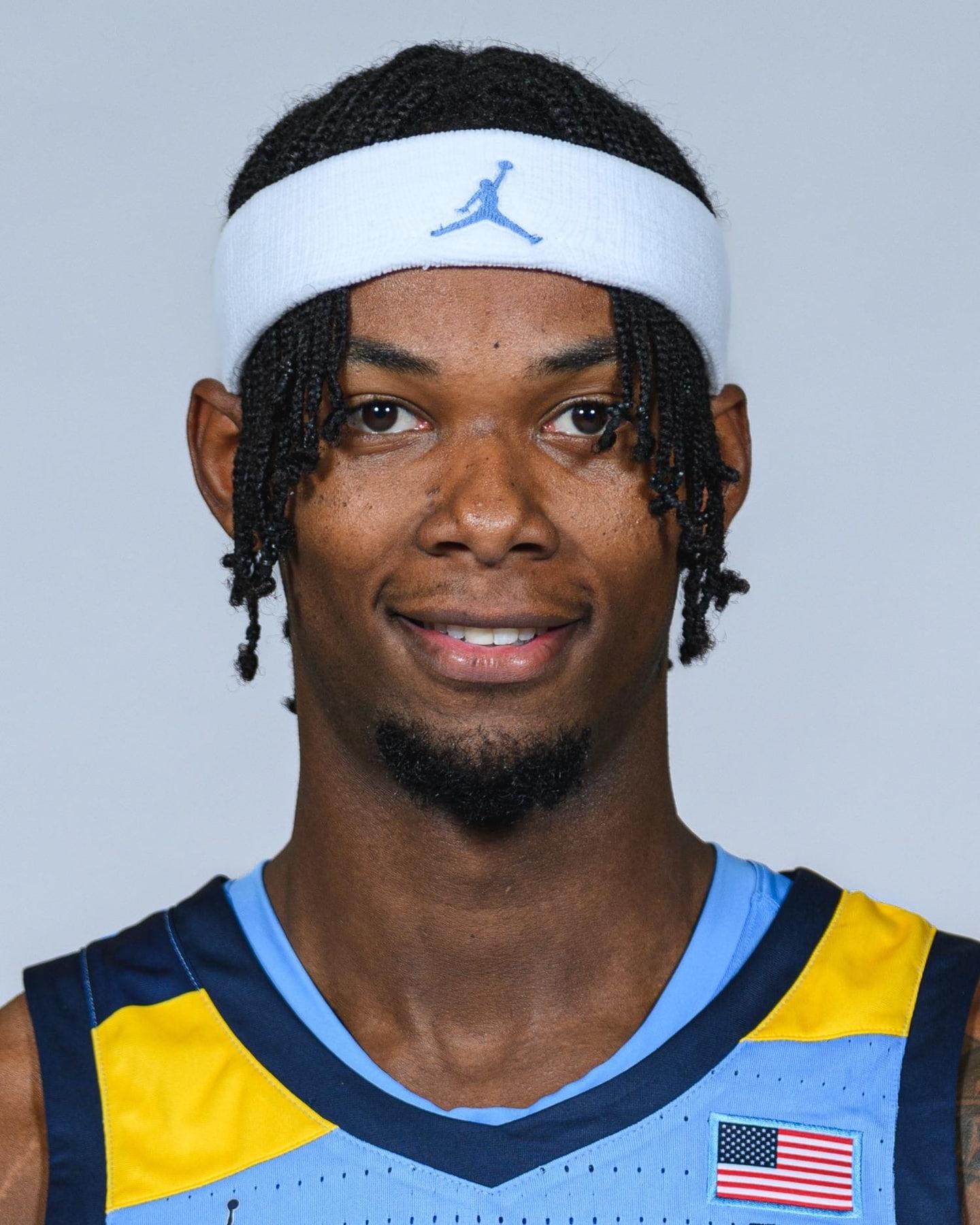
Chase Ross.

Basketball player · G League player

At Marquette, Chase Ross kept surfacing in the parts of games that decide whether coaches relax or start pacing: a timely 12 against Texas, a rugged NCAA tournament line against Colorado, then bigger scoring jolts before an Exhibit 10 deal with the Lakers. The public impression is not polished superstardom. It is a player whose career keeps asking for adjustment—new roles, injuries, opportunity, then a quick answer.

OBJECTIVE PERSONALITY CLASSIFICATIONMF-Ne/Fi-CP/B(S)What does this mean?
PERSONALITY SYSTEMObjective Personality
LEAD FUNCTIONNe · Extroverted Intuition
SECOND SAVIOR FUNCTIONFi · Introverted Feeling
MBTI EQUIVALENTENFP
01 / BEHIND THE CLASSIFICATION

The personality behind the fame.

How does a recorded OPS classification like MF-Ne/Fi-CP/B(S) break down? Walk through nine coins and watch the proposed type take shape. These are deductions from the archived code, not independent evidence of typing accuracy.

Scroll below to see Chase Ross take shape.

STARTING POINT512 possible OPS typesEach type combines core functions, an animal order, and sexual modalities.
THE FINISH LINEMF-Ne/Fi-CP/B(S)One recorded classification, decoded from its components.
Chase Ross’ HUMAN NEEDS 01—03
01
DECIDER OR OBSERVER?

Observer over Decider

Observers have more balanced Decider poles in the middle: Self (Di) and Tribe (De). Their own perspective and other people's perspectives tend to be easier to navigate. Things are the harder territory. Control (Oi) and Chaos (Oe) sit at the extremes, so disrupted plans, uncertainty, and a changing world can trigger the strongest reactions.

Ross’s biography reads like a player meeting circumstance after circumstance on the fly: a crowded recruiting market, a rotation role at Marquette, a dislocated shoulder that wiped out five games, an ankle injury that cut short a night against Iowa State, then the jump to an Exhibit 10 contract. That is classic Observer pressure—conditions, timing and the uncontrollable next variable. The strength is adaptability. He keeps finding a way to matter anyway, whether through starts, steals or timely scoring. The blind spot is waiting for cleaner conditions before fully claiming the next step.

O
02
SELF OR TRIBE?

Di · Self over De · Tribe

Self (Di) is the stronger deciding pole. They check decisions against their own values or reasons first: what makes sense to me, what feels right to me? The strength is independent conviction; the recurring friction is the Tribe (De)—other people's standards, feedback, and expectations. As the portrait unfolds, notice how Self takes the lead.

Ross had offers from Arizona State, Mississippi State, Virginia Tech, Georgia, Rutgers, Texas A&M and more, yet he ultimately chose Marquette. Publicly, that reads less like chasing every outside voice and more like backing his own read on fit. Self over Tribe is the strength of trusting an internal standard when the room is loud. It can help a player commit and grow without constantly re-auctioning his future. The growth cost is obvious: your own judgment can feel so clear that outside calibration—coaches’ roles, team needs, uncomfortable feedback—arrives later than it should.

Di
03
GATHER OR ORGANIZE?

Oe · Gather over Oi · Organize

Gather (Oe) leads with new information, experiences, and possibilities. Its strength is curiosity and adaptability; the recurring friction is narrowing the options and settling into what is already known. Another layer of the personality portrait comes into focus.

Ross’s college record is not one-note. One night it is 12 points against Texas, another it is a two-steal, two-block tournament line against Colorado, then later a 27-point burst against Georgetown. Gather over Organize fits that open-ended profile: he looks useful across changing game shapes instead of only one fixed script. The strength is range. A coach can plug that kind of player into different situations and still get activity. The blind spot is definition. If everything is possible, the sharper long-term question—what exact role is worth building around—can stay unresolved longer than a roster usually allows.

Oe
FIRST THREE COINSO + Di + Oe

These establish the preferred human needs in the OPS framework.

Chase Ross’ FUNCTIONS 04—05
04
FEELING OR THINKING?

Feeling · F over Thinking · T

Feeling (F) evaluates decisions through values, meaning, and what matters—not simply through emotion. Its strength is a clear sense of significance; Thinking (T) provides balance through impersonal reasons, consistency, and evidence. Combined with Self (Di), this forms the recorded Savior Fi.

Ultimately choosing Marquette from a long offer sheet is a small but telling public example for Fi. Feeling here is not softness; it is valuing a personal read enough to live with it. Ross’s career so far also shows a willingness to keep building through modest freshman numbers, injury interruptions and gradual responsibility rather than needing instant external validation. That kind of inner standard can stabilize development. Its limit is that a personally right fit does not automatically answer every practical team question. Conviction helps; it does not replace shared clarity about role, results and priorities.

F → Fi
05
SENSING OR INTUITION?

Intuition · N over Sensing · S

Intuition (N) focuses on concepts, patterns, and what information might mean. Sensing (S) balances it through observable facts, physical detail, and direct experience. Combined with Gather (Oe), this gives the recorded Savior Ne.

Ross’s stat lines keep hinting at possibilities rather than one settled pattern: 23 points and eight rebounds to open a season, 27 against Georgetown, then impact games built around steals, blocks and defensive activity. Intuition over Sensing fits that ‘could become several things’ flavor. The strength is seeing openings that are not yet fixed—another lane to attack, another version of the player to grow into. The blind spot is living too much in potential. Basketball eventually demands repeatable details, not just flashes that suggest what might be there by next season.

N → Ne
THE TWO SAVIOR FUNCTIONSNe / Fi

Opposing functions: Si and Te.

Chase Ross’ ANIMAL STACK 06—07
06
CONSUME OR BLAST?

Consume over Blast

Consume gathers information for internal processing; Blast organizes and communicates information. The recorded order is Consume → Play → Blast → Sleep. This comparison follows their positions in that stack.

Consume over Blast shows up in the slow accumulation before the bigger bursts. Ross did not arrive at Marquette as a finished high-usage scorer; the public arc is more study, reps and gradual expansion, then nights like 23 against Stony Brook or 27 against Georgetown. The strength of Consume is having something real to draw from because you actually took in the experience. The cost is that gathering can feel productive even when the moment now needs a firmer statement. More reps help—until they become a way to postpone declaring exactly what your game is.

C > B
07
PLAY OR SLEEP?

Play over Sleep

Play emphasizes external real-time engagement; Sleep emphasizes internal processing. The recorded stack places Play earlier.

With Consume already out front, Play over Sleep adds a more live-wire layer. Ross’s best public examples are not private workouts we never saw; they are in-the-moment responses—helping beat Colorado with points, rebounds, steals and blocks, or stepping into starts during the 2023–24 season. That second-animal edge likes testing what was learned in real time. The strength is responsiveness under pressure. The blind spot is recovery and internal settling. A shoulder dislocation or ankle setback is not just missed action; it also forces the uncomfortable pause where the body and the role both need more patience than momentum wants to give.

P > S
Chase Ross’ ANIMAL ORIENTATION 08—09
08
INFO OR ENERGY DOMINANT?

Info over Energy

Info dominant means Consume and Blast are both in the top three: gathering and communicating information are more balanced. Sleep last leaves the energy side uneven—Play can keep engagement going without enough private recovery.

Ross’s Info dominance shows most clearly when a game turns messy and he still leaves behind a stat line that tells the story. Against Colorado in the NCAA tournament, he gave Marquette 12 points, five rebounds, two steals and two blocks—production spread across multiple channels, then made legible on the scoreboard. That is Consume, Play and Blast working above Sleep: take in the game, react, then make the contribution visible. The strength is usable output. The cost is skipping the quieter consolidation that turns scattered impact into a settled nightly identity.

Info
09
INTROVERSION OR EXTROVERSION?

Extroversion over Introversion

The last animal, Sleep, determines this OPS coin: Play or Blast last means Introversion; Consume or Sleep last means Extroversion. This describes animal orientation, not sociability or shyness.

Sleep last also gives Ross the OPS Extroversion coin, and the public example is practical rather than theatrical. After a dislocated shoulder cost him five games in January 2024, his career still demanded re-entry into team action, then later another reset after leaving the Iowa State game with an ankle injury. That sequence captures the order of operations: external demands arrive first, full internal settling later. The strength is responsiveness. The blind spot is assuming confidence, film study and recovery will sort themselves out unless he deliberately protects slower recovery and reflection.

E
Sexual Modalities

The four sexual modalities.

OPS uses masculine/feminine sensory and extroverted-deciding distinctions as framework-specific terms, not gender categories. The four modalities are already included in the original 512 types. The recorded modality is MF · Audio.

MM KinestheticMasculine Sensory · Masculine De
MF RECORDED MODALITYAudioMasculine Sensory · Feminine De
FF TesterFeminine Sensory · Feminine De
FM VisualFeminine Sensory · Masculine De
COMPLETE RECORDED OPS TYPE · MODALITY INCLUDEDMF-Ne/Fi-CP/B(S)

Ne leads, Fi supports, and the animal stack is Consume → Play → Blast → Sleep.

THE FINISHED PORTRAIT · ALL NINE COINS REVEALED

Chase Ross's complete function and animal stack

ConsumePlayBlastSleepfNemFifTemSi
MF-Ne/Fi-CP/B(S)DOUBLE ACTIVATED · PLAYExplore the Interactive Coin Builder →
THE CHASE ROSS LENS

The role keeps expanding.

Ross’s file is lean, which makes the pattern easier to spot. At Marquette, he kept surfacing in swing moments: 12 points against Texas, a shoulder injury that cost five games, then a well-rounded NCAA tournament performance against Colorado. Behind the stat lines, the impression is not finished stardom. It is a player repeatedly adjusting to whatever role and condition the next stretch demands.

The savior pairing is Ne with Fi. That can make a player responsive to openings while staying anchored to his own read of what fits his game. You can see the upside in Ross’s expanding box scores, from steals and blocks to scoring bursts. The limit is that another possibility is not yet a settled identity teammates and coaches can rely on nightly.

As an Observer and Double Decider, Ross is dealing first with unstable conditions while still carrying the people-side range. The imbalance is clear in sports: get health, opportunity and role under control, then worry about expectations. That can delay clarifying what others need from him. The neglected function opposite his lead savior is Si, the steadying pull toward routine and known reference points.

Consume → Play → Blast → Sleep shows a player built to take in, react and then state his game before fully settling down. Sleep last creates the Extroversion imbalance: external demands get handled first, while internal consolidation can lag. The balancing move is concrete—protect recovery blocks, review film for patterns, and turn them into habits that preserve his adaptability with firmer structure.

Want to understand the Savior and Demon states behind these nine coins? Explore the complete explanation, visual examples, and typing principles on our Methodology page →

02 / KEEP EXPLORING

Different faces. Familiar patterns.

Explore other celebrities with related recorded OPS classifications. Related functions are not necessarily exact type matches.

Discover Type Twins
YOUR TURN

Curious about your own type?

Discover how your own personality might be classified through Objective Personality.

Get objectively typed
Chase Ross's Personality Type & OPS Profile | The Personality Atlas