The Personality Atlas
THE CELEBRITY PERSONALITY ARCHIVE / FILM & TELEVISION

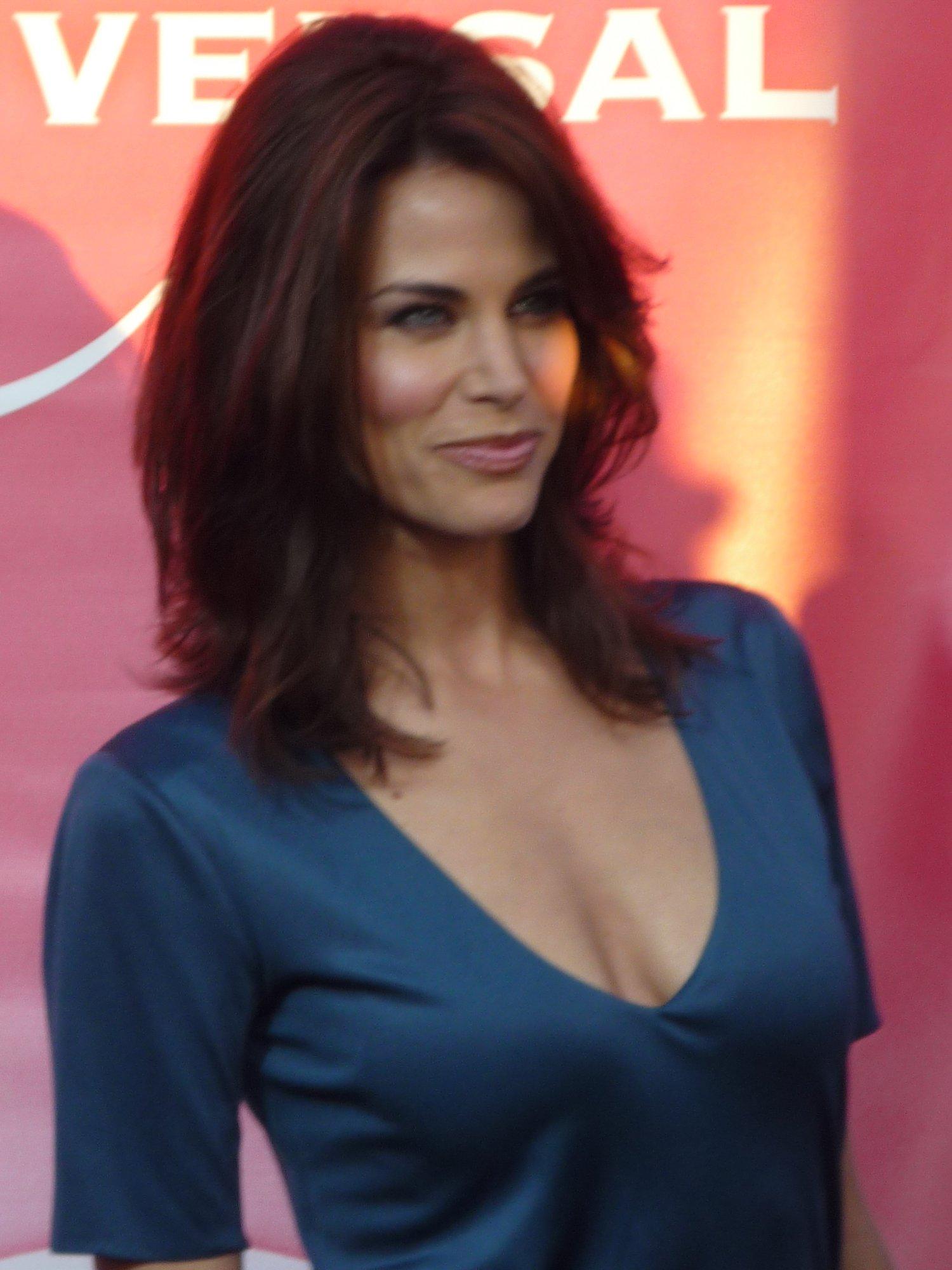
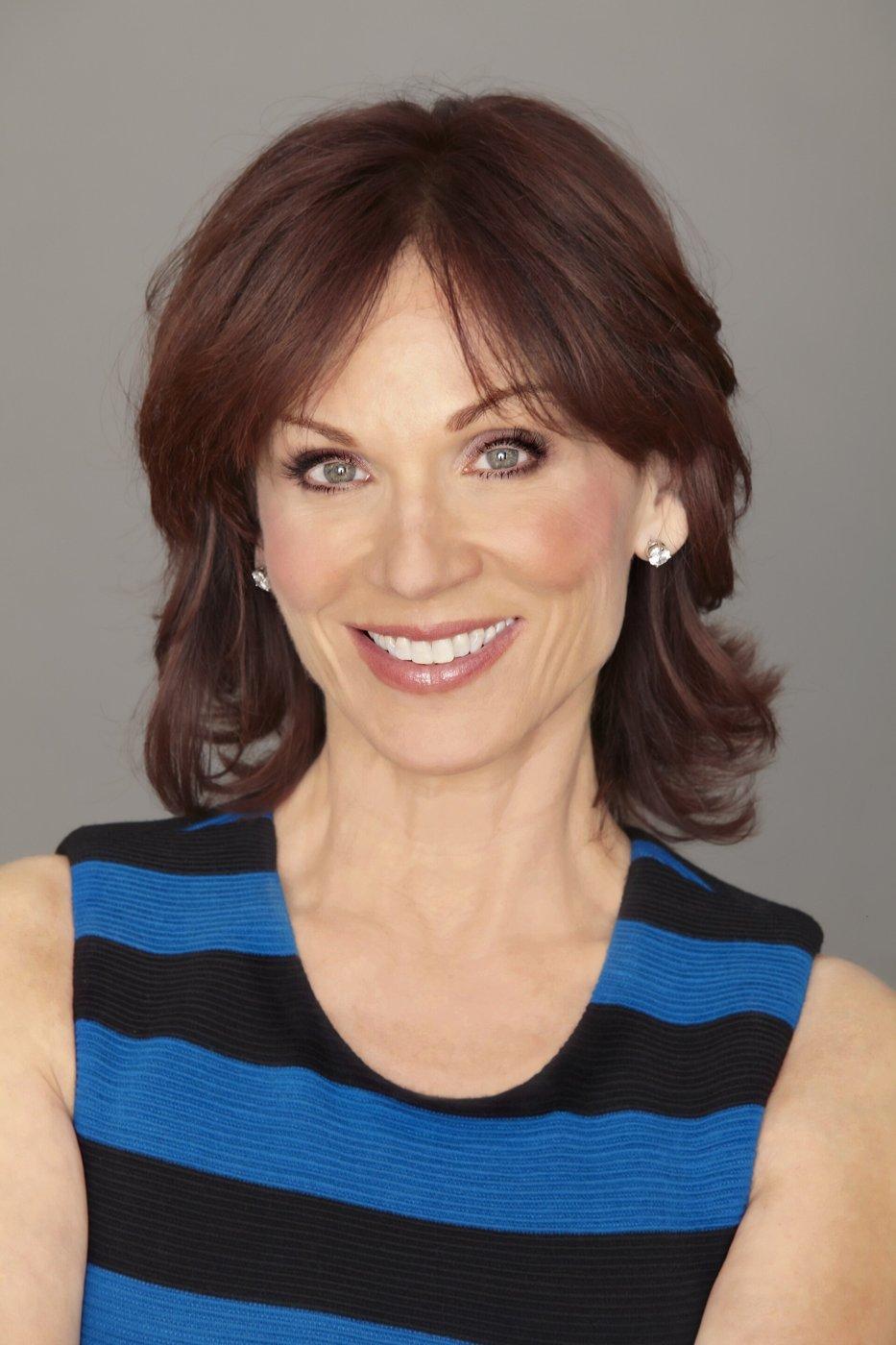
Brooke Burns.

Actor · Game Show Host · Model

Brooke Burns turned a Baywatch breakout into a second act as a game-show host, moving from red-swimsuit visibility to the cooler authority of Dog Eat Dog, The Chase and Master Minds. Add in a serious diving injury, a full recovery, and public work on spinal-injury awareness, and her career reads less like pinup nostalgia than like repeated reinvention under bright studio lights.

OBJECTIVE PERSONALITY CLASSIFICATIONFM-Te/Se-PB/C(S)What does this mean?
PERSONALITY SYSTEMObjective Personality
LEAD FUNCTIONTe · Extroverted Thinking
SECOND SAVIOR FUNCTIONSe · Extroverted Sensing
MBTI EQUIVALENTENTJ
01 / BEHIND THE CLASSIFICATION

The personality behind the fame.

How does a recorded OPS classification like FM-Te/Se-PB/C(S) break down? Walk through nine coins and watch the proposed type take shape. These are deductions from the archived code, not independent evidence of typing accuracy.

Scroll below to see Brooke Burns take shape.

STARTING POINT512 possible OPS typesEach type combines core functions, an animal order, and sexual modalities.
THE FINISH LINEFM-Te/Se-PB/C(S)One recorded classification, decoded from its components.
Brooke Burns’ HUMAN NEEDS 01—03
01
DECIDER OR OBSERVER?

Decider over Observer

Deciders have more balanced Observer poles in the middle: Control (Oi) and Chaos (Oe). Organizing what's known and handling what's new tend to feel more manageable. People are the harder territory. Self (Di) and Tribe (De) sit at the extremes, so judgment, rejection, approval, and conflict can trigger the strongest reactions.

Brooke Burns has spent most of her career inside other people’s expectations: the Baywatch image, soap-opera casting, then the cooler authority of The Chase. That pattern fits Decider friction. The recurring pressure is not primarily chaotic circumstances but the social meaning attached to her—whether producers, audiences, or contestants read her as credible, glamorous, funny, or in command. Her advantage is poise under judgment. The blind spot is letting the verdict of the room become the main problem to solve, even when the bigger answer may lie beyond proving herself again.
D
02
SELF OR TRIBE?

De · Tribe over Di · Self

Tribe (De) is the stronger deciding pole. They check decisions against people, shared standards, and what works for the group: what do we need, what will others think? The strength is coordination and responsiveness; the recurring friction is the Self (Di)—knowing and defending their own position. As the portrait unfolds, notice how Tribe takes the lead.

On Dog Eat Dog, The Chase, and later Master Minds, Burns’ job was never to disappear into a private standard. She had to hold a visible one for everyone: rules clear, pace sharp, stakes legible, contestants guided. That is Tribe over Self in a very practical form—organizing around what the group needs to understand now. The strength is usefulness; she can make a room function. The cost is that competence becomes easy to measure by other people’s performance, approval, or smoothness, leaving less space to ask what she herself wants apart from the production.

De
03
GATHER OR ORGANIZE?

Oe · Gather over Oi · Organize

Gather (Oe) leads with new information, experiences, and possibilities. Its strength is curiosity and adaptability; the recurring friction is narrowing the options and settling into what is already known. Another layer of the personality portrait comes into focus.

Burns’ résumé refuses one lane: a teen sitcom in Spain, Baywatch, a prime-time soap, network game shows, Hallmark movies, and celebrity TV appearances. Even earlier, moving through Paris, Milan, and Munich as a teenager put constant new environments on the table. Gather-first works well in that kind of career because another format can become another opening rather than a threat to identity. The strength is adaptability across changing situations. The blind spot is that options multiply faster than they organize themselves; a varied career can stay active for years while still postponing the harder question of which lane deserves the deepest investment.

Oe
FIRST THREE COINSD + De + Oe

These establish the preferred human needs in the OPS framework.

Brooke Burns’ FUNCTIONS 04—05
04
FEELING OR THINKING?

Thinking · T over Feeling · F

Thinking (T) evaluates decisions through reasons, logic, and what works—not a lack of emotion. Its strength is analytical consistency; Feeling (F) provides balance through values, meaning, and the human consequences of a decision. Combined with Tribe (De), this forms the recorded Savior Te.

Her hosting work makes the Thinking coin unusually visible. On The Chase, Burns had to keep a high-pressure trivia format understandable: who is up, what the clock means, when an answer counts, when the moment turns. Te shows up as public utility—setting criteria, moving the structure, making the logic usable for other people. That is a real strength in television, where confusion kills tension. The limit is that clean external standards can sound complete even when a person or situation also needs softer context, patience, or language not built around efficiency.

T → Te
05
SENSING OR INTUITION?

Sensing · S over Intuition · N

Sensing (S) focuses on concrete details, observable reality, and lived experience. Intuition (N) balances it by looking for broader patterns, concepts, and implications. Combined with Gather (Oe), this gives the recorded Savior Se.

Burns’ career has always had a strong physical, real-world edge: modeling, Baywatch’s body-in-motion spectacle, on-camera hosting, teaching kids to swim through Camp Baywatch, and later speaking for spinal-injury prevention after her diving accident. Se keeps life tangible. It notices what is actually in front of you and responds to the real conditions, not the prettier theory. That is why her work often lands as immediate and camera-ready. The tradeoff is that immediate reality can dominate the frame; long-range abstraction or slower symbolic meaning may need deliberate support to stay equally weighted.

S → Se
THE TWO SAVIOR FUNCTIONSTe / Se

Opposing functions: Fi and Ni. This is a jumper classification.

Brooke Burns’ ANIMAL STACK 06—07
06
PLAY OR SLEEP?

Play over Sleep

Play emphasizes external real-time engagement; Sleep emphasizes internal processing. The recorded stack places Play earlier.

Burns’ most recognizable public roles reward Play. A host has to react on cue, keep contestants loose or focused, and turn live exchange into momentum. Even her acting career often placed her in ensemble, high-visibility television rather than hidden, solitary craftsmanship. Play’s strength is obvious here: energy moves between people, and the room feels handled in real time. Sleep, coming later, is the quieter counterweight—stepping back, narrowing the signal, consolidating before re-entering. The blind spot is assuming more interaction will solve what may actually require space, internal reset, or a conclusion formed away from the set.

P > S
07
CONSUME OR BLAST?

Blast over Consume

Consume gathers information for internal processing; Blast organizes and communicates information. The recorded order is Play → Blast → Consume → Sleep. This comparison follows their positions in that stack.

Once Burns is already engaged, Blast shows up earlier than Consume. That fits a career built on presentation: explaining game mechanics, delivering transitions, and making a format understandable fast enough that viewers never feel the machinery. The strength of Blast over Consume is decisiveness with information. She can package and transmit instead of endlessly circling the material. The cost is subtler. A person can become excellent at delivery while giving less time to lingering study, private curiosity, or slow accumulation that is not yet ready for airtime. Clear communication is powerful; it is not the same thing as exhaustive digestion.

B > C
Brooke Burns’ ANIMAL ORIENTATION 08—09
08
INFO OR ENERGY DOMINANT?

Info over Energy

Info dominant means Consume and Blast are both in the top three: gathering and communicating information are more balanced. Sleep last leaves the energy side uneven—Play can keep engagement going without enough private recovery.

Burns lands on the Info side because her earlier animal balance favors handling information in a publicly useful way: take in enough material to work with, then turn it into something others can follow. You can see that in the transition from actor to host, where clarity became part of the performance. The missing balance is the late inward pause. After a career of camera-ready responsiveness—and a public return after serious injury—the unglamorous work of stopping, consolidating, and letting experience settle can be easier to underrate because nobody else gets a show from that part.

Info
09
INTROVERSION OR EXTROVERSION?

Extroversion over Introversion

The last animal, Sleep, determines this OPS coin: Play or Blast last means Introversion; Consume or Sleep last means Extroversion. This describes animal orientation, not sociability or shyness.

OPS Extroversion here does not mean “outgoing celebrity.” It means Sleep lands last, so engaging, presenting, and moving information outward arrive sooner than deep private consolidation. Burns can look polished on camera because that environment suits the order; it says nothing simple about whether she likes crowds. A public example is her long success in roles that demand immediate responsiveness, from Dog Eat Dog to The Chase. The growth edge is respecting slowdown before the next assignment or charity appearance turns her back outward again—so reflection becomes a tool, not an afterthought.

E
Sexual Modalities

The four sexual modalities.

OPS uses masculine/feminine sensory and extroverted-deciding distinctions as framework-specific terms, not gender categories. The four modalities are already included in the original 512 types. The recorded modality is FM · Visual.

MM KinestheticMasculine Sensory · Masculine De
MF AudioMasculine Sensory · Feminine De
FF TesterFeminine Sensory · Feminine De
FM RECORDED MODALITYVisualFeminine Sensory · Masculine De
COMPLETE RECORDED OPS TYPE · MODALITY INCLUDEDFM-Te/Se-PB/C(S)

Te leads, Se supports, and the animal stack is Play → Blast → Consume → Sleep.

THE FINISHED PORTRAIT · ALL NINE COINS REVEALED

Brooke Burns's complete function and animal stack

PlayBlastConsumeSleepmTemNifSefFi
FM-Te/Se-PB/C(S)DOUBLE ACTIVATED · PLAYExplore the Interactive Coin Builder →
THE BROOKE BURNS LENS

More than the Baywatch silhouette

The easy Brooke Burns image is Baywatch: sun, motion, instant recognizability. But the more revealing public version may be the host on The Chase, coolly steering a brainy format where glamour alone is useless. Behind the glossy first impression is a professional whose career kept changing jobs without losing polish.

Her Te/Se pairing is built for visible usefulness. Se keeps her responsive to the live moment; Te turns that moment into structure, rules, pacing and decisions other people can follow. That makes her especially effective in host mode. The limit is that external clarity can outrun quieter personal calibration, as if handling the room automatically answers what matters most.

As a Decider and Double Observer, Burns is not short on ways to navigate changing circumstances. The pressure point is human significance: where she stands with others, what role she is serving, and whether the social contract is working. That leaves neglected Fi—the opposite of lead Te—as the quieter need to name her own values before usefulness becomes the whole identity.

Play → Blast → Consume → Sleep gives her an outward, competent rhythm: engage, explain, then gather more. With Sleep last, the least natural move is stopping long enough to consolidate privately before the next role begins. Balance does not mean dulling her on-camera quickness; it means protecting real off-camera time to sort priorities in writing before saying yes to the next production or cause.

Want to understand the Savior and Demon states behind these nine coins? Explore the complete explanation, visual examples, and typing principles on our Methodology page →

02 / KEEP EXPLORING

Different faces. Familiar patterns.

Explore other celebrities with related recorded OPS classifications. Related functions are not necessarily exact type matches.

Discover Type Twins
YOUR TURN

Curious about your own type?

Discover how your own personality might be classified through Objective Personality.

Get objectively typed
Brooke Burns's Personality Type & OPS Profile | The Personality Atlas