The Personality Atlas
THE CELEBRITY PERSONALITY ARCHIVE / FILM & COMEDY

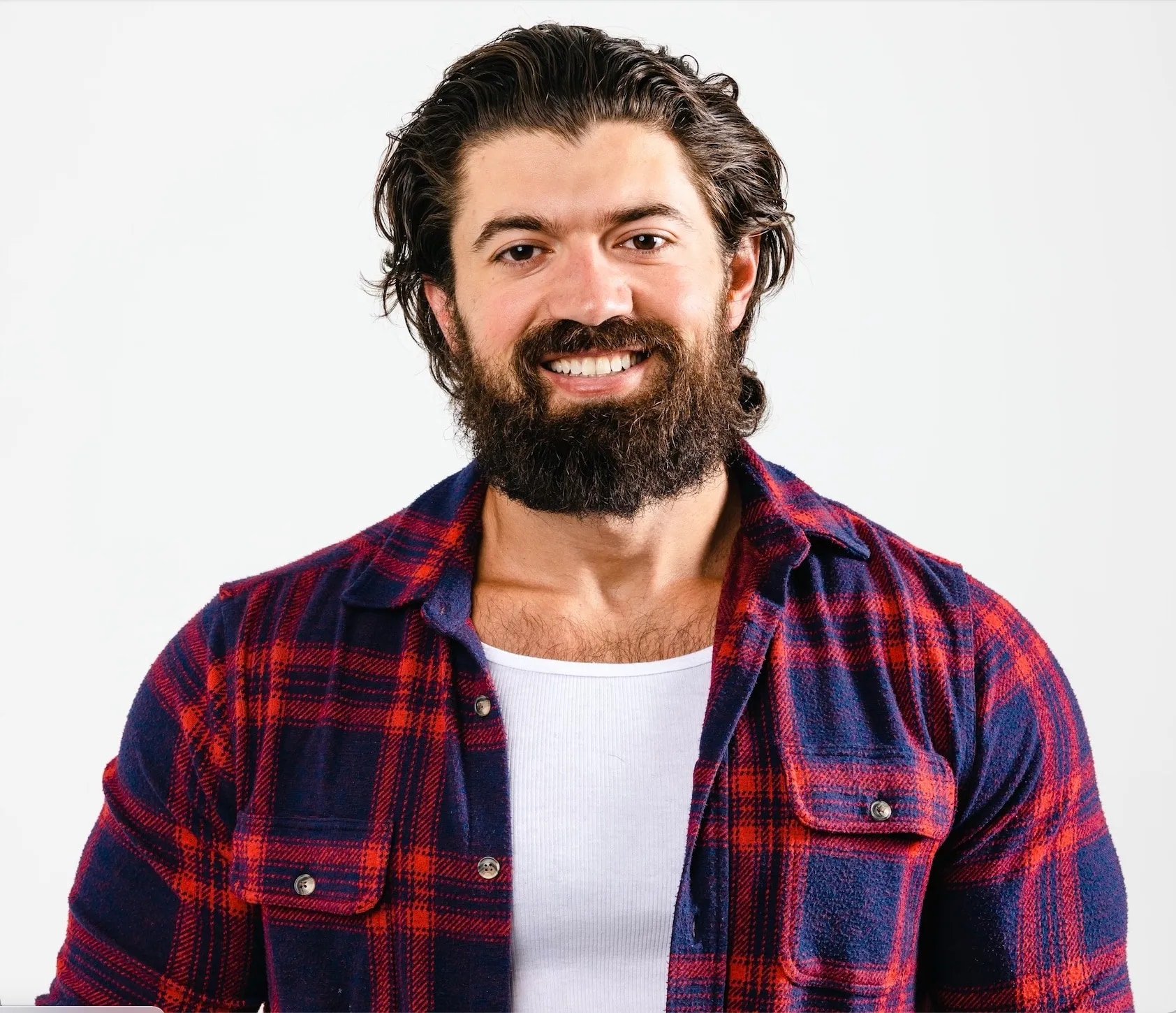
Brett Goldstein.

Actor · Writer · Comedian · Podcaster

Brett Goldstein built a career by turning unlikely raw material into sharply authored public work: scripts from his acting-school years, a stand-up set about his father’s Marbella strip club, a movie podcast, a writing job on Ted Lasso that became Roy Kent, and later the co-creation of Shrinking. The growl is famous, but the engine underneath it is a restless builder who keeps converting experience into format.

OBJECTIVE PERSONALITY CLASSIFICATIONMF-Se/Ti-CS/P(B)What does this mean?
PERSONALITY SYSTEMObjective Personality
LEAD FUNCTIONSe · Extroverted Sensing
SECOND SAVIOR FUNCTIONTi · Introverted Thinking
MBTI EQUIVALENTESTP
01 / BEHIND THE CLASSIFICATION

The personality behind the fame.

How does a recorded OPS classification like MF-Se/Ti-CS/P(B) break down? Walk through nine coins and watch the proposed type take shape. These are deductions from the archived code, not independent evidence of typing accuracy.

Scroll below to see Brett Goldstein take shape.

STARTING POINT512 possible OPS typesEach type combines core functions, an animal order, and sexual modalities.
THE FINISH LINEMF-Se/Ti-CS/P(B)One recorded classification, decoded from its components.
Brett Goldstein’s HUMAN NEEDS 01—03
01
DECIDER OR OBSERVER?

Observer over Decider

Observers have more balanced Decider poles in the middle: Self (Di) and Tribe (De). Their own perspective and other people's perspectives tend to be easier to navigate. Things are the harder territory. Control (Oi) and Chaos (Oe) sit at the extremes, so disrupted plans, uncertainty, and a changing world can trigger the strongest reactions.

Goldstein’s career keeps hinging on what the situation will give him. A bizarre family detour in Marbella became stand-up material. A writers-room job on Ted Lasso became an acting breakthrough only after a self-taped audition changed the circumstances. Even his path from fringe scripts to sitcoms to podcasting shows someone repeatedly working with whatever reality is on the table. That Observer strength is adaptability under changing conditions. The blind spot is letting the next opening dictate the direction, instead of deciding earlier what all those opportunities are supposed to build toward.

O
02
SELF OR TRIBE?

Di · Self over De · Tribe

Self (Di) is the stronger deciding pole. They check decisions against their own values or reasons first: what makes sense to me, what feels right to me? The strength is independent conviction; the recurring friction is the Tribe (De)—other people's standards, feedback, and expectations. As the portrait unfolds, notice how Self takes the lead.

Goldstein did not stay politely in the Ted Lasso writers' room and wait for someone else to decide he should play Roy Kent. He taped five scenes himself and sent the email anyway, even adding a line in case it was awkward or terrible. Self over Tribe shows up in that willingness to move on his own read first. The strength is authorship: solo stand-up, self-written projects, and a podcast built around his angle. The cost is that inner certainty can outrun other people’s timing, buy-in, or need for a clearer invitation.

Di
03
GATHER OR ORGANIZE?

Oe · Gather over Oi · Organize

Gather (Oe) leads with new information, experiences, and possibilities. Its strength is curiosity and adaptability; the recurring friction is narrowing the options and settling into what is already known. Another layer of the personality portrait comes into focus.

His résumé zigzags on purpose: film studies at Warwick, acting school in New York, scripts for the Edinburgh Fringe, low-budget features, British sitcoms, a film podcast, then writing and co-creating series in larger television worlds. Gather over Organize thrives on exactly that kind of open field. New formats become usable instead of threatening. The strength is range and adaptability across a changing career. The blind spot is selectivity. A person can turn almost any experience into material, but eventually someone has to narrow the options and choose which direction deserves sustained commitment.

Oe
FIRST THREE COINSO + Di + Oe

These establish the preferred human needs in the OPS framework.

Brett Goldstein’s FUNCTIONS 04—05
04
FEELING OR THINKING?

Thinking · T over Feeling · F

Thinking (T) evaluates decisions through reasons, logic, and what works—not a lack of emotion. Its strength is analytical consistency; Feeling (F) provides balance through values, meaning, and the human consequences of a decision. Combined with Self (Di), this forms the recorded Savior Ti.

Goldstein’s work has a distinct Ti sharpness to it. The comedy is not just expressive; it is engineered. Writing on Ted Lasso, co-creating Soulmates with Will Bridges, and structuring Films to Be Buried With around a repeatable film-question format all point to an internal standard for how the mechanism should work. The strength is precision: jokes, scenes, and character beats usually have bones. The void is interpersonal translation. A conclusion that feels clean and obvious to him can land as abrupt, under-explained, or tougher than he meant when other people need the reasoning made explicit.

T → Ti
05
SENSING OR INTUITION?

Sensing · S over Intuition · N

Sensing (S) focuses on concrete details, observable reality, and lived experience. Intuition (N) balances it by looking for broader patterns, concepts, and implications. Combined with Gather (Oe), this gives the recorded Savior Se.

Se helps explain why Goldstein’s public work feels physically grounded instead of merely clever. Roy Kent is growl, posture, timing, and a line delivery that makes the moment instantly visual. Even Brett Goldstein Grew Up in a Strip Club turns an odd family chapter into concrete stage material rather than a vague personal essay. The strength is immediacy: he can make an idea tangible fast. The cost is that whatever is vivid and present can dominate the frame, while the slower task of naming the long-range trajectory gets postponed again.

S → Se
THE TWO SAVIOR FUNCTIONSSe / Ti

Opposing functions: Ni and Fe.

Brett Goldstein’s ANIMAL STACK 06—07
06
CONSUME OR BLAST?

Consume over Blast

Consume gathers information for internal processing; Blast organizes and communicates information. The recorded order is Consume → Sleep → Play → Blast. This comparison follows their positions in that stack.

Consume comes earlier than Blast in Goldstein’s stack, and his career gives it a lot to work with: film studies, acting training in New York, scripts developed for Edinburgh, a movie-centered podcast, and a habit of turning lived experience into material. The strength is texture. He keeps gathering references, tones, and stories until the work has depth instead of just attitude. The blind spot is that more intake can masquerade as progress. Growth costs some comfort here: at some point the material has to stop expanding and start stating the point clearly.

C > B
07
PLAY OR SLEEP?

Sleep over Play

Play emphasizes external real-time engagement; Sleep emphasizes internal processing. The recorded stack places Sleep earlier.

Sleep comes earlier than Play, which fits how much of Goldstein’s public work arrives with a processed, authored center before it goes wide. His stand-up about Marbella, his writing credits, and the voice of Films to Be Buried With all suggest material filtered through a private angle first and shared second. That gives the work coherence; it sounds like someone, not a committee. The cost is spontaneity with other people. Growth means letting live collaboration reshape the draft instead of guarding the already-formed version too tightly.

S > P
Brett Goldstein’s ANIMAL ORIENTATION 08—09
08
INFO OR ENERGY DOMINANT?

Energy over Info

Energy dominant means Play and Sleep are both in the top three: there is access to expending energy through engagement and conserving it through internal processing. Blast last leaves the information side uneven—Consume may gather far more than gets communicated.

Goldstein lands on the Energy side because private processing and real-world engagement both arrive before the final missing piece. You can see that in a career split between writing rooms, acting sets, stand-up stages, and podcast conversations while still preserving a strong inward filter. The strength is flexible stamina: he can alternate between consolidating and engaging without losing his center. The void sits at the end. With Blast last, the growth cost is formalizing the message sooner—spelling out the thesis instead of trusting the material and performance to imply enough on their own.

Energy
09
INTROVERSION OR EXTROVERSION?

Introversion over Extroversion

The last animal, Blast, determines this OPS coin: Play or Blast last means Introversion; Consume or Sleep last means Extroversion. This describes animal orientation, not sociability or shyness.

Blast sits last, which gives Goldstein the OPS Introversion result even though his career is public, collaborative, and often loud. This coin is not about sociability; he can obviously host a podcast, work a stage, and thrive in ensemble television. It is about the relative reluctance to lock the material into a final shared directive. The strength is that the work stays textured and alive rather than over-packaged. The blind spot is explain-it-once leadership. Growth asks him to make the central point unmistakable before everyone else has to infer it from the vibe.

I
Sexual Modalities

The four sexual modalities.

OPS uses masculine/feminine sensory and extroverted-deciding distinctions as framework-specific terms, not gender categories. The four modalities are already included in the original 512 types. The recorded modality is MF · Audio.

MM KinestheticMasculine Sensory · Masculine De
MF RECORDED MODALITYAudioMasculine Sensory · Feminine De
FF TesterFeminine Sensory · Feminine De
FM VisualFeminine Sensory · Masculine De
COMPLETE RECORDED OPS TYPE · MODALITY INCLUDEDMF-Se/Ti-CS/P(B)

Se leads, Ti supports, and the animal stack is Consume → Sleep → Play → Blast.

THE FINISHED PORTRAIT · ALL NINE COINS REVEALED

Brett Goldstein's complete function and animal stack

ConsumeSleepPlayBlastmSemTifFefNi
MF-Se/Ti-CS/P(B)DOUBLE ACTIVATED · CONSUMEExplore the Interactive Coin Builder →
THE BRETT GOLDSTEIN LENS

The growl has a blueprint.

Goldstein is easy to market as the gravel-voiced Roy Kent figure who can make a threat sound like a punchline. The better clue is the self-taped Ted Lasso audition he sent while already on the writing staff: behind the blunt impression is a relentless converter of experience into material.

Se/Ti gives him concrete authorship. Se grabs what is immediate and usable; Ti tightens it into a mechanism with clean edges. That pairing helps explain the embodied snap of Roy Kent and the structural discipline of his writing. The limit is trusting the bit before the larger roadmap has been stated plainly.

As an Observer and Double Decider, Goldstein is more likely to wrestle with changing circumstances, timing, and direction than to live in nonstop people drama. The human-needs imbalance lands on chaos versus control. His neglected Ni, opposite lead Se, asks where the vivid parts are heading before the next opportunity steals the wheel.

Consume → Sleep → Play → Blast shows a builder who learns, distills, and animates the room before locking the takeaway. Blast last creates the bottleneck: texture and perspective arrive faster than the final shared directive. Balance means ending the pitch, episode, or meeting with one unmistakable sentence that preserves the humor but clarifies the point.

Want to understand the Savior and Demon states behind these nine coins? Explore the complete explanation, visual examples, and typing principles on our Methodology page →

02 / KEEP EXPLORING

Different faces. Familiar patterns.

Explore other celebrities with related recorded OPS classifications. Related functions are not necessarily exact type matches.

Discover Type Twins
YOUR TURN

Curious about your own type?

Discover how your own personality might be classified through Objective Personality.

Get objectively typed
Brett Goldstein's Personality Type & OPS Profile | The Personality Atlas