Observer over Decider
Observers have more balanced Decider poles in the middle: Self (Di) and Tribe (De). Their own perspective and other people's perspectives tend to be easier to navigate. Things are the harder territory. Control (Oi) and Chaos (Oe) sit at the extremes, so disrupted plans, uncertainty, and a changing world can trigger the strongest reactions.
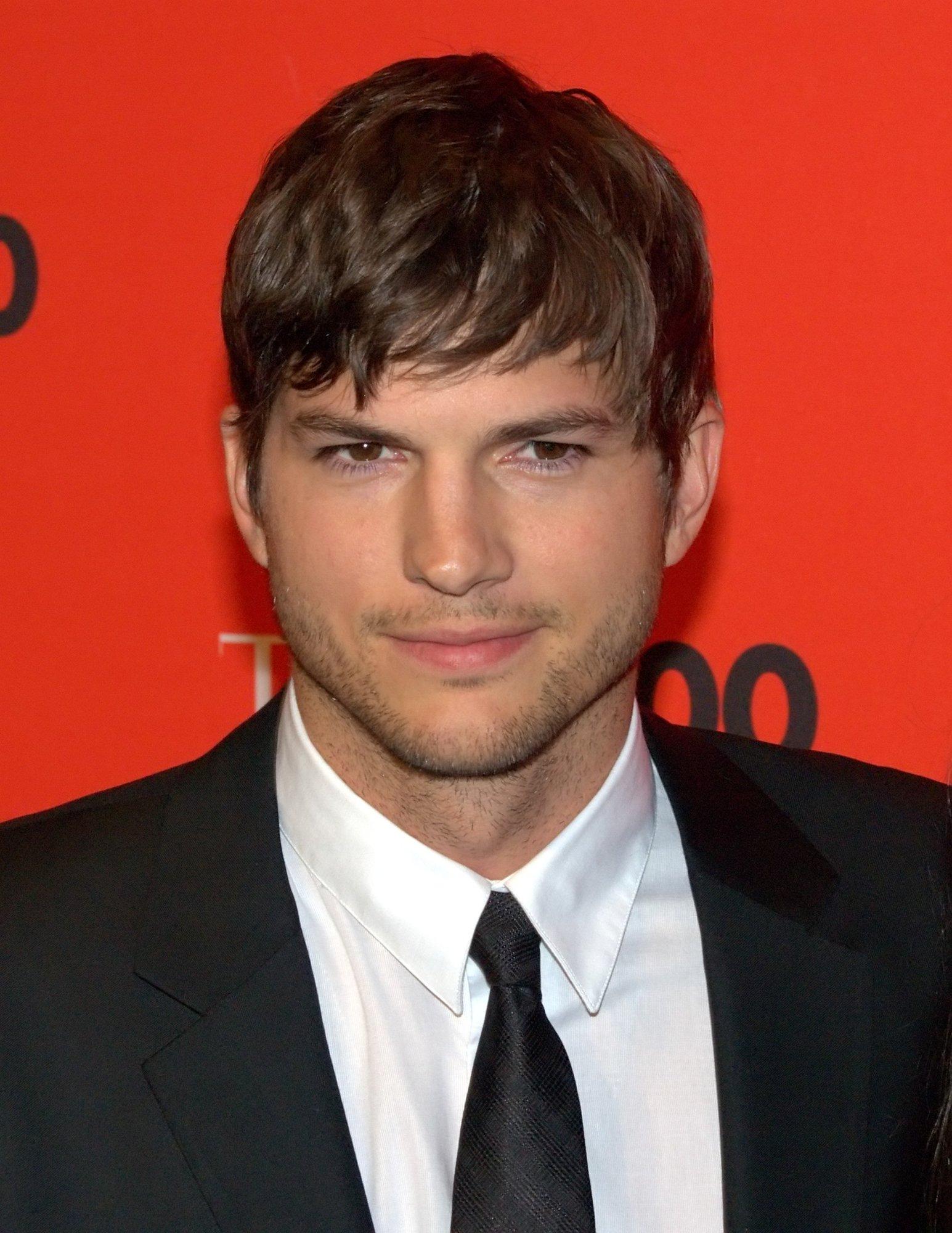
Kutcher’s public life is full of shifting circumstances he could influence but never fully control: a sitcom breakout on That ’70s Show, a ratings gamble replacing Charlie Sheen on Two and a Half Men, a tech-investor reputation built in markets that move without asking permission. That is classic Observer friction. The pressure lands in timing, platforms, trends, and unpredictable outcomes more than in endless people drama. His strength is adaptability across changing arenas. The blind spot is assuming another opening or another pivot will solve what is really a problem of limits, timing, or reality refusing to cooperate.