The Personality Atlas
THE CELEBRITY PERSONALITY ARCHIVE / POKER & DECISION EDUCATION

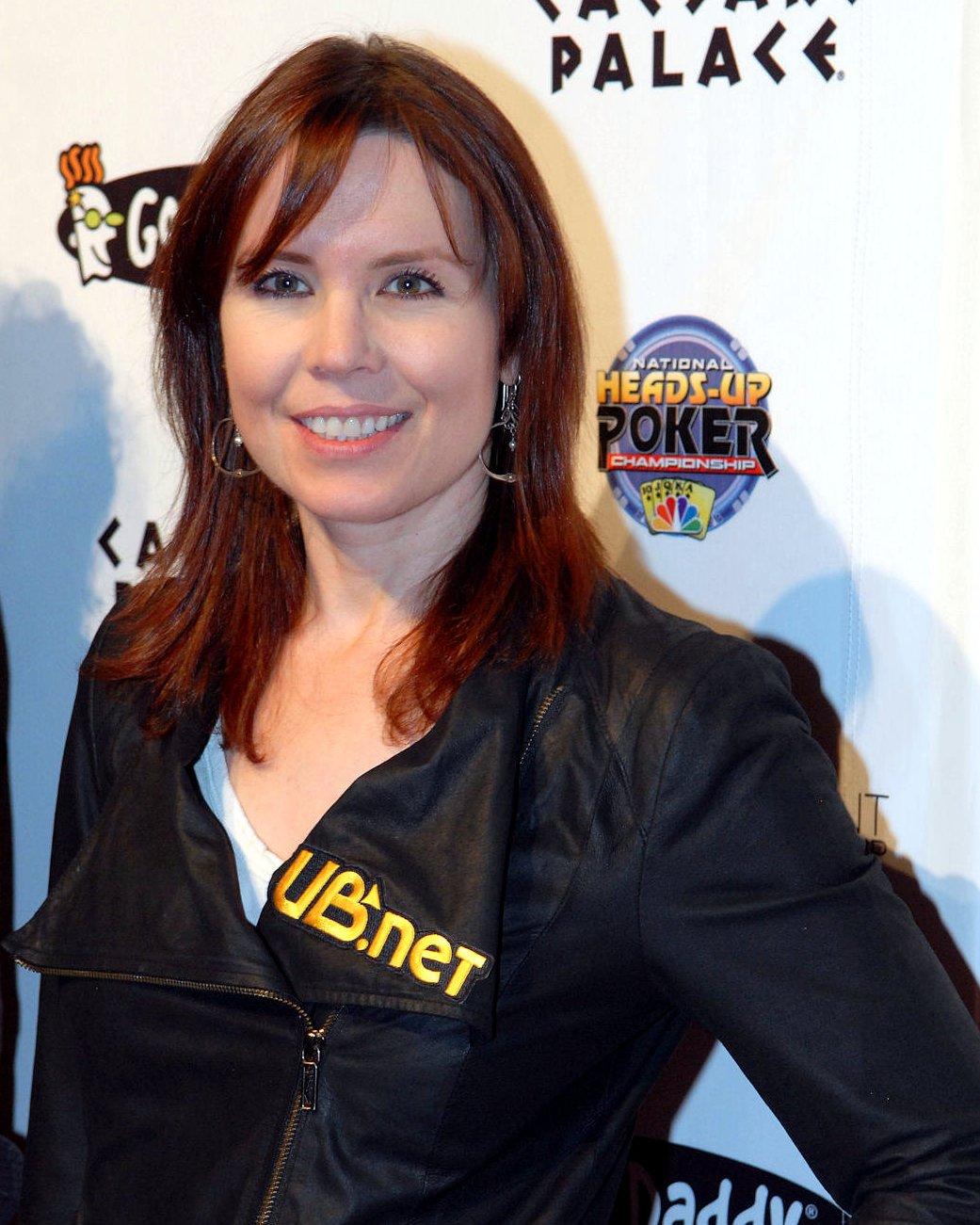
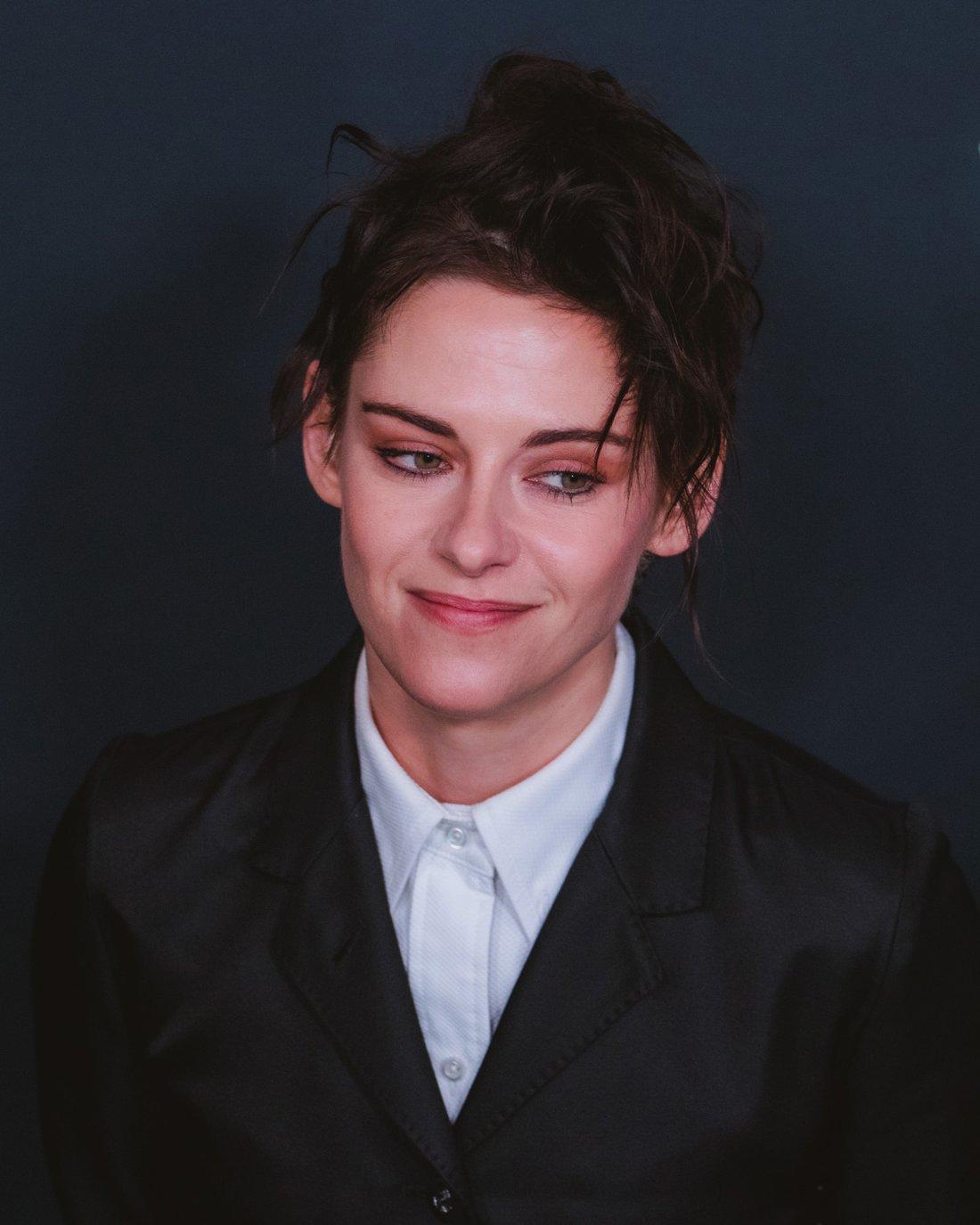
Annie Duke.

Poker champion · Author · Decision educator

Annie Duke turned elite poker into a public curriculum on uncertainty. After winning a WSOP bracelet, the 2004 Tournament of Champions and the 2010 National Heads-Up Poker Championship, she moved from final tables to books, nonprofit work, congressional testimony and eventually decision education in the classroom. Her public persona is not mystical gambler swagger; it is the person at the table who wants the reasoning dragged into daylight.

OBJECTIVE PERSONALITY CLASSIFICATIONFM-Te/Se-PC/S(B)What does this mean?
PERSONALITY SYSTEMObjective Personality
LEAD FUNCTIONTe · Extroverted Thinking
SECOND SAVIOR FUNCTIONSe · Extroverted Sensing
MBTI EQUIVALENTENTJ
01 / BEHIND THE CLASSIFICATION

The personality behind the fame.

How does a recorded OPS classification like FM-Te/Se-PC/S(B) break down? Walk through nine coins and watch the proposed type take shape. These are deductions from the archived code, not independent evidence of typing accuracy.

Scroll below to see Annie Duke take shape.

STARTING POINT512 possible OPS typesEach type combines core functions, an animal order, and sexual modalities.
THE FINISH LINEFM-Te/Se-PC/S(B)One recorded classification, decoded from its components.
Annie Duke’s HUMAN NEEDS 01—03
01
DECIDER OR OBSERVER?

Decider over Observer

Deciders have more balanced Observer poles in the middle: Control (Oi) and Chaos (Oe). Organizing what's known and handling what's new tend to feel more manageable. People are the harder territory. Self (Di) and Tribe (De) sit at the extremes, so judgment, rejection, approval, and conflict can trigger the strongest reactions.

Annie Duke’s career keeps putting her in contested human systems rather than simple technical puzzles. She testified before Congress on internet gambling, joined a lawsuit against the World Poker Tour over players’ image rights, and later served as commissioner of the Epic Poker League. Those are status-and-standards fights: who gets heard, who sets the terms, who is treated fairly. The strength is a willingness to engage conflict directly instead of hiding behind theory. The blind spot is that battles over credibility and representation can absorb so much attention that a practical problem starts feeling like a referendum on the people involved.
D
02
SELF OR TRIBE?

De · Tribe over Di · Self

Tribe (De) is the stronger deciding pole. They check decisions against people, shared standards, and what works for the group: what do we need, what will others think? The strength is coordination and responsiveness; the recurring friction is the Self (Di)—knowing and defending their own position. As the portrait unfolds, notice how Tribe takes the lead.

Her type records Tribe over Self, and Duke’s public path repeatedly runs through shared standards and persuasion. She did not stay a private card-room savant; she became a spokesperson for online poker, testified for the Poker Players Alliance, cofounded Ante Up for Africa, and built organizations around decision education. That outward orientation is a real strength: she can frame an issue in terms a room, committee or audience can act on. The growth cost is dependence on the room itself. Reputation, alliances and public buy-in can become expensive currencies when the issue might need a firmer personal boundary.

De
03
GATHER OR ORGANIZE?

Oe · Gather over Oi · Organize

Gather (Oe) leads with new information, experiences, and possibilities. Its strength is curiosity and adaptability; the recurring friction is narrowing the options and settling into what is already known. Another layer of the personality portrait comes into focus.

Duke’s biography reads like someone who keeps finding another live option and taking it seriously. She left a psychology Ph.D. one month before defending, won $70,000 in her first month of WSOP events in 1994, built a poker career, wrote strategy and decision books, founded nonprofits, and then returned to Penn more than thirty years later to finish the doctorate. Gather over Organize fits that visible appetite for fresh openings. The advantage is adaptability when the environment changes. The blind spot is selectivity: an interesting path can be real, promising and still not deserve the next decade of attention.

Oe
FIRST THREE COINSD + De + Oe

These establish the preferred human needs in the OPS framework.

Annie Duke’s FUNCTIONS 04—05
04
FEELING OR THINKING?

Thinking · T over Feeling · F

Thinking (T) evaluates decisions through reasons, logic, and what works—not a lack of emotion. Its strength is analytical consistency; Feeling (F) provides balance through values, meaning, and the human consequences of a decision. Combined with Tribe (De), this forms the recorded Savior Te.

The recorded judging function here is Te, and Duke’s public work keeps turning judgment into something portable. Thinking in Bets, How to Decide and her poker instruction books all translate uncertainty into frameworks other people can use. Her congressional testimony and advocacy on gambling legality carry the same flavor: make the case, show the reasoning, move the room. That is Te’s strength at its cleanest—usable logic with an external purpose. The limit is that a persuasive model can compress messy human differences. Not every problem yields gracefully to the strongest argument or the clearest decision tree.

T → Te
05
SENSING OR INTUITION?

Sensing · S over Intuition · N

Sensing (S) focuses on concrete details, observable reality, and lived experience. Intuition (N) balances it by looking for broader patterns, concepts, and implications. Combined with Gather (Oe), this gives the recorded Savior Se.

Duke’s observer side is Se, and poker is a ruthless place to fake that. Her 2004 WSOP bracelet, Tournament of Champions win, and 2010 National Heads-Up Poker Championship all depended on reacting to what was actually happening in front of her, not the story she wished were true. Even her 2000 Main Event run while nine months pregnant underscores real-time responsiveness under pressure. Se’s strength is immediate calibration to visible facts. Its cost is that the live signal can dominate the slower pattern, making the present evidence feel louder than a longer strategic arc.

S → Se
THE TWO SAVIOR FUNCTIONSTe / Se

Opposing functions: Fi and Ni. This is a jumper classification.

Annie Duke’s ANIMAL STACK 06—07
06
PLAY OR SLEEP?

Play over Sleep

Play emphasizes external real-time engagement; Sleep emphasizes internal processing. The recorded stack places Play earlier.

Play comes before Sleep in her stack, and Duke’s public life rarely stays tucked away in private analysis for long. She taught at the WSOP Academy, coached celebrities including Matt Damon and Ben Affleck, appeared on shows from The Colbert Report to Celebrity Apprentice, and kept turning decision talk into live exchange. Play’s strength is testing ideas with people in real time, where feedback is immediate and usable. The blind spot is pace. When outward interaction gets priority over Sleep, reflection can become something squeezed in afterward rather than the protected space where experience fully settles.

P > S
07
CONSUME OR BLAST?

Consume over Blast

Consume gathers information for internal processing; Blast organizes and communicates information. The recorded order is Play → Consume → Sleep → Blast. This comparison follows their positions in that stack.

After that outward Play tilt, Duke also shows Consume ahead of Blast. Her books on poker and decision-making lean heavily on hands, scenarios and probabilistic examples instead of a bare slogan delivered once and left alone. The strength is substance: she gathers details, studies edge cases and gives readers enough material to think with. The growth cost is clarity under compression. Consume over Blast can keep enriching the case while an audience still needs the headline version first. More evidence improves the model, but it can also delay the simplest message that makes the model travel.

C > B
Annie Duke’s ANIMAL ORIENTATION 08—09
08
INFO OR ENERGY DOMINANT?

Energy over Info

Energy dominant means Play and Sleep are both in the top three: there is access to expending energy through engagement and conserving it through internal processing. Blast last leaves the information side uneven—Consume may gather far more than gets communicated.

This profile lands on Energy over Info because both outward engagement and private processing sit in the top three, while Blast falls last. You can see the balance in Duke’s rhythm: tournament poker, television and advocacy on one side; books, retirement from regular play, and eventually returning to Penn to finish the Ph.D. on the other. The strength is an alternating engine of action and reset. The missing balance is simplified delivery. She can keep interacting, studying or reflecting instead of stating the clean conclusion sooner, even when the room is already waiting for it.

Energy
09
INTROVERSION OR EXTROVERSION?

Introversion over Extroversion

The last animal, Blast, determines this OPS coin: Play or Blast last means Introversion; Consume or Sleep last means Extroversion. This describes animal orientation, not sociability or shyness.

Duke’s fourth animal is Blast, giving the recorded Introversion coin even though her résumé is visibly public. That distinction matters. Someone can testify before Congress, host charity tournaments and debate poker policy on television while still finding one-way broadcasting to be the least natural move. With Play, Consume and Sleep all arriving earlier, she has plenty of ways to engage before she simplifies. The strength is nuance under pressure. The blind spot is assuming the point has already landed because the evidence is strong. Growth means packaging the conclusion sooner, not becoming quieter or less social.

I
Sexual Modalities

The four sexual modalities.

OPS uses masculine/feminine sensory and extroverted-deciding distinctions as framework-specific terms, not gender categories. The four modalities are already included in the original 512 types. The recorded modality is FM · Visual.

MM KinestheticMasculine Sensory · Masculine De
MF AudioMasculine Sensory · Feminine De
FF TesterFeminine Sensory · Feminine De
FM RECORDED MODALITYVisualFeminine Sensory · Masculine De
COMPLETE RECORDED OPS TYPE · MODALITY INCLUDEDFM-Te/Se-PC/S(B)

Te leads, Se supports, and the animal stack is Play → Consume → Sleep → Blast.

THE FINISHED PORTRAIT · ALL NINE COINS REVEALED

Annie Duke's complete function and animal stack

PlayConsumeSleepBlastmTemNifSefFi
FM-Te/Se-PC/S(B)DOUBLE ACTIVATED · CONSUMEExplore the Interactive Coin Builder →
THE ANNIE DUKE LENS

The edge is real, but so is the explanation.

Nine months pregnant, Duke finished 10th in the 2000 WSOP Main Event, the kind of result that hardens a public image fast: unflinching, analytical, built for pressure. But the biography behind that image is broader than poker bravado. She moved from doctoral research to professional cards, then later back into formal education, turning a gambling résumé into a public conversation about how decisions get made.

Her Te/Se pairing helps explain the appeal. Te wants a framework other people can use; Se keeps that framework anchored to visible facts, immediate feedback and real-world stakes. That combination can make her unusually sharp at translating uncertainty into action. Its limit is compression: a clean argument can move faster than slower questions of trust, values or personal alignment.

As a Decider and Double Observer, Duke’s recurring strain centers more on people, standards and significance than on a shortage of options or data. The human-needs imbalance is around judgment and representation: who gets heard, who defines the terms, what counts as fair. The neglected function opposite her lead savior is Fi, so private values and inner alignment can get less airtime than the outward case.

Play → Consume → Sleep → Blast shows why she can look publicly forceful while still carrying Blast-last Introversion. She engages, gathers and processes before settling on the final broadcast. The imbalance is not lack of intelligence or nerve; it is reluctance to oversimplify. A useful balance would be to open lectures, interviews or advocacy with the plain verdict first, then bring the examples and probabilities that make her case worth trusting.

Want to understand the Savior and Demon states behind these nine coins? Explore the complete explanation, visual examples, and typing principles on our Methodology page →

02 / KEEP EXPLORING

Different faces. Familiar patterns.

Explore other celebrities with related recorded OPS classifications. Related functions are not necessarily exact type matches.

Discover Type Twins
YOUR TURN

Curious about your own type?

Discover how your own personality might be classified through Objective Personality.

Get objectively typed
Annie Duke's Personality Type & OPS Profile | The Personality Atlas