Observer over Decider
Observers have more balanced Decider poles in the middle: Self (Di) and Tribe (De). Their own perspective and other people's perspectives tend to be easier to navigate. Things are the harder territory. Control (Oi) and Chaos (Oe) sit at the extremes, so disrupted plans, uncertainty, and a changing world can trigger the strongest reactions.
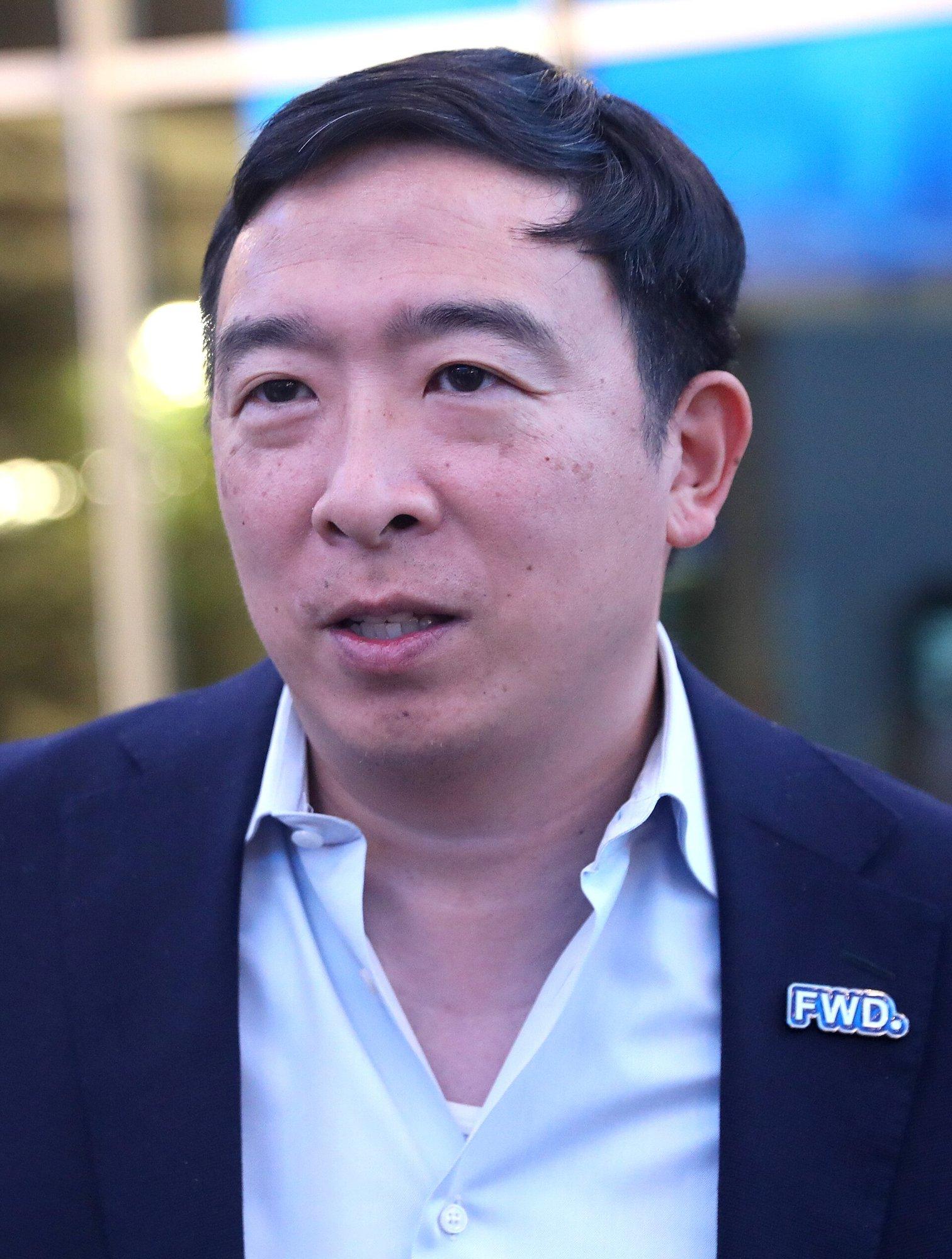
Yang’s biggest public bets keep starting with a diagnosis of the situation itself: automation displacing jobs, a polarized two-party system, a city or country running on incentives he thinks are broken. His 2020 campaign sold a $1,000 monthly UBI less as personal branding than as an answer to a machine-era problem. That is classic Observer pressure: the fight is with conditions, not primarily with whether people appreciate him. The strength is unusual calm inside complexity. The blind spot is treating a human coalition problem as if one better model will solve it by itself.