The Personality Atlas
THE CELEBRITY PERSONALITY ARCHIVE / FILM & TELEVISION

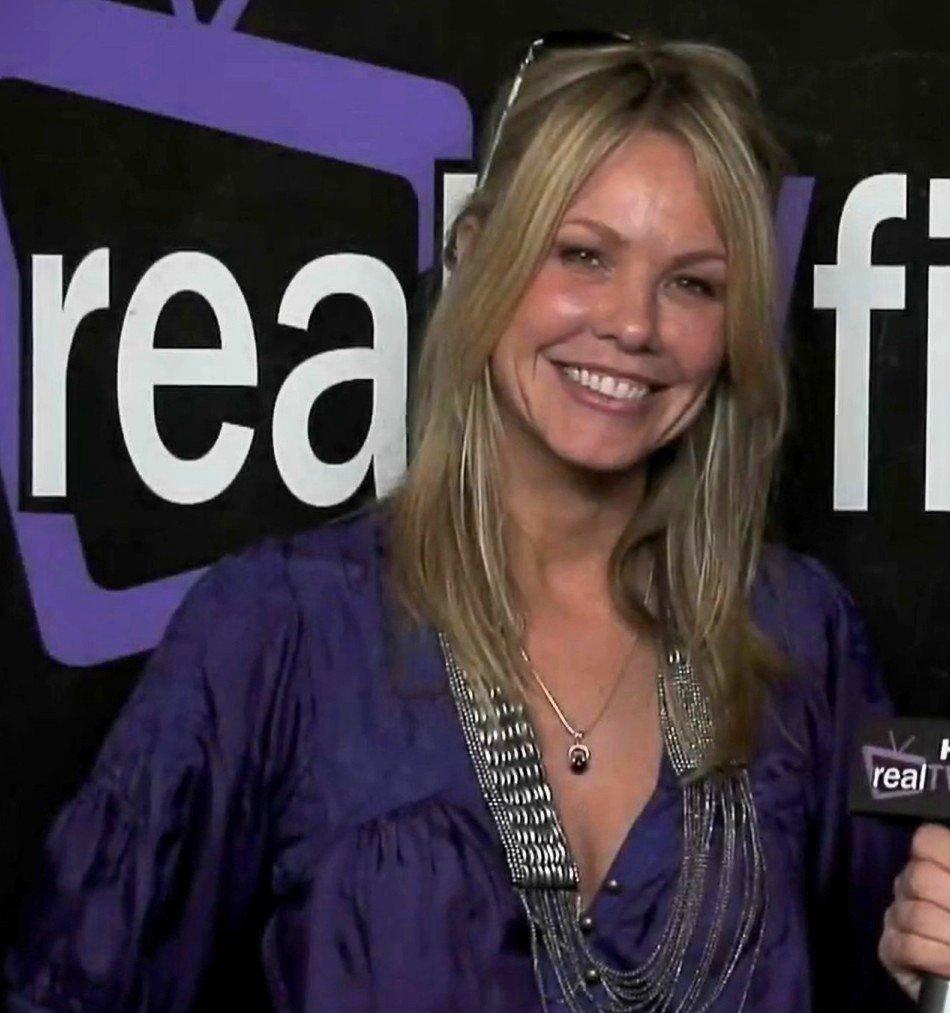
Andrea Roth.

Actor · Television and film performer

Andrea Roth built the kind of career television quietly depends on: stage at eleven, a modeling detour in Toronto, then decades of screen work from RoboCop: The Series to Rescue Me. She was rarely sold as a grand self-myth, but as a sharp, reliable presence who could step into fast-moving productions and make the role land.

OBJECTIVE PERSONALITY CLASSIFICATIONFM-Te/Se-PC/S(B)What does this mean?
PERSONALITY SYSTEMObjective Personality
LEAD FUNCTIONTe · Extroverted Thinking
SECOND SAVIOR FUNCTIONSe · Extroverted Sensing
MBTI EQUIVALENTENTJ
01 / BEHIND THE CLASSIFICATION

The personality behind the fame.

How does a recorded OPS classification like FM-Te/Se-PC/S(B) break down? Walk through nine coins and watch the proposed type take shape. These are deductions from the archived code, not independent evidence of typing accuracy.

Scroll below to see Andrea Roth take shape.

STARTING POINT512 possible OPS typesEach type combines core functions, an animal order, and sexual modalities.
THE FINISH LINEFM-Te/Se-PC/S(B)One recorded classification, decoded from its components.
Andrea Roth’s HUMAN NEEDS 01—03
01
DECIDER OR OBSERVER?

Decider over Observer

Deciders have more balanced Observer poles in the middle: Control (Oi) and Chaos (Oe). Organizing what's known and handling what's new tend to feel more manageable. People are the harder territory. Self (Di) and Tribe (De) sit at the extremes, so judgment, rejection, approval, and conflict can trigger the strongest reactions.

Andrea Roth’s public story is less about conquering chaotic circumstances than about making a career inside other people’s judgments. From a stage debut at eleven in The Miracle Worker to a screen career that ran from Alfred Hitchcock Presents to a 2020 episode of 13 Reasons Why, the pressure point is plainly human: casting, fit, trust, and whether a production keeps choosing you. That Decider friction can build social intelligence and resilience. The growth cost is letting every career turn feel like a verdict from the room instead of a question about timing, availability, or changing industry conditions.

D
02
SELF OR TRIBE?

De · Tribe over Di · Self

Tribe (De) is the stronger deciding pole. They check decisions against people, shared standards, and what works for the group: what do we need, what will others think? The strength is coordination and responsiveness; the recurring friction is the Self (Di)—knowing and defending their own position. As the portrait unfolds, notice how Tribe takes the lead.

Her move into modeling began when a scout noticed her during a college ad-agency internship, and much of her later career reads the same way: step into the needs of the existing system, then meet them well. Janet Gavin on Rescue Me, a regular part on RoboCop: The Series, and guest spots on Blue Bloods or Ringer all reward someone who can read what the production needs from the role. Tribe-first strength is professional usefulness. The blind spot is the familiar De tax: becoming so responsive to the room that personal preference stays quieter than everyone else’s expectations.

De
03
GATHER OR ORGANIZE?

Oe · Gather over Oi · Organize

Gather (Oe) leads with new information, experiences, and possibilities. Its strength is curiosity and adaptability; the recurring friction is narrowing the options and settling into what is already known. Another layer of the personality portrait comes into focus.

Roth’s career never stayed in one lane for long: childhood stage work, runway and print modeling, an anthology debut in 1988, then miniseries, horror, sci-fi, action, prestige cable, and network guest work. That pattern fits Gather over Organize. New openings are usable; another genre is an invitation, not a threat. The strength is adaptability across an industry that rarely rewards rigidity. The cost is that range does not automatically create a single unmistakable brand. When many doors open, the growth challenge is choosing which thread deserves to define the larger public story.

Oe
FIRST THREE COINSD + De + Oe

These establish the preferred human needs in the OPS framework.

Andrea Roth’s FUNCTIONS 04—05
04
FEELING OR THINKING?

Thinking · T over Feeling · F

Thinking (T) evaluates decisions through reasons, logic, and what works—not a lack of emotion. Its strength is analytical consistency; Feeling (F) provides balance through values, meaning, and the human consequences of a decision. Combined with Tribe (De), this forms the recorded Savior Te.

Her recorded judging function is Thinking, specifically Te, and the public example that best fits it is her long usefulness inside production-heavy television. Rescue Me ran for years because every regular had to serve the show’s pace, conflict, and ensemble mechanics, not just personal expression. Te excels at matching an external standard: what works, what reads, what helps the machine run. That can make someone exceptionally castable and effective. The blind spot is that competence becomes the whole identity, leaving less space for openly stating what a role or career means on a more personal level.

T → Te
05
SENSING OR INTUITION?

Sensing · S over Intuition · N

Sensing (S) focuses on concrete details, observable reality, and lived experience. Intuition (N) balances it by looking for broader patterns, concepts, and implications. Combined with Gather (Oe), this gives the recorded Savior Se.

Her observer function is Sensing, specifically Se, and her career gives it tangible material. She started onstage young, worked as a print and runway model after being spotted in Toronto, and later built screen roles that depend on visible presence rather than abstract mythology: Diana Powers on RoboCop: The Series, Janet Gavin on Rescue Me, and a part in War. Se’s strength is contact with what is immediately there—camera, body, scene, audience impact. The tradeoff is that concrete responsiveness can keep the work moving role to role without always packaging it into one grand conceptual narrative.

S → Se
THE TWO SAVIOR FUNCTIONSTe / Se

Opposing functions: Fi and Ni. This is a jumper classification.

Andrea Roth’s ANIMAL STACK 06—07
06
PLAY OR SLEEP?

Play over Sleep

Play emphasizes external real-time engagement; Sleep emphasizes internal processing. The recorded stack places Play earlier.

Play comes earlier than Sleep here, and Roth’s longest public credits make that easy to picture. Regular television work is relentless interaction: scenes, directors, ensemble timing, set rhythm, quick adjustment, then doing it again tomorrow. A seven-season run on Rescue Me especially favors someone who can stay active in that back-and-forth rather than needing every decision privately settled first. Play’s strength is immediate engagement and momentum. The cost is that constant motion can outrun reflection. Growth sometimes requires protecting enough Sleep-space to decide what the work is adding up to, not just whether today’s scene landed.

P > S
07
CONSUME OR BLAST?

Consume over Blast

Consume gathers information for internal processing; Blast organizes and communicates information. The recorded order is Play → Consume → Sleep → Blast. This comparison follows their positions in that stack.

With Consume arriving earlier than Blast, her public career looks less like loud self-definition and more like steady accumulation. Before and after the best-known roles, Roth kept adding credits—television movies, series work, genre parts, guest spots—building range through intake and experience. Consume earlier brings material, texture, and a larger reservoir to draw from. Blast later creates the opposite cost: the audience may remember several strong roles without hearing one forcefully stated thesis about who Andrea Roth is as an artist. The growth edge is turning accumulated work into a clearer shared narrative instead of leaving others to assemble it.

C > B
Andrea Roth’s ANIMAL ORIENTATION 08—09
08
INFO OR ENERGY DOMINANT?

Energy over Info

Energy dominant means Play and Sleep are both in the top three: there is access to expending energy through engagement and conserving it through internal processing. Blast last leaves the information side uneven—Consume may gather far more than gets communicated.

She lands on the Energy side because both Play and Sleep sit in the top three, while Blast falls last. In public terms, that looks less like nonstop self-promotion and more like a career able to alternate between active collaboration and stepping back before the next demand. The strength is sustainability: long television stretches, varied roles, and a life that includes work and family without requiring constant public explanation. The blind spot comes from the missing balance point. When Blast is last, it is easy to keep doing and experiencing more than explicitly communicating what the larger body of work is meant to say.

Energy
09
INTROVERSION OR EXTROVERSION?

Introversion over Extroversion

The last animal, Blast, determines this OPS coin: Play or Blast last means Introversion; Consume or Sleep last means Extroversion. This describes animal orientation, not sociability or shyness.

This stack also resolves to Introversion, and that is not contradicted by years on camera. OPS introversion here comes from Blast landing last, after Play, Consume, and Sleep—not from shyness or a lack of professional warmth. Roth plainly worked in social, public mediums. The more precise issue is how readily private understanding becomes a declared direction for everyone else. The strength is selective expression instead of compulsive broadcasting. The cost is that a solid career can stay slightly under-defined in the public imagination. If you do not narrate the pattern, the industry reduces you to a handful of credits.

I
Sexual Modalities

The four sexual modalities.

OPS uses masculine/feminine sensory and extroverted-deciding distinctions as framework-specific terms, not gender categories. The four modalities are already included in the original 512 types. The recorded modality is FM · Visual.

MM KinestheticMasculine Sensory · Masculine De
MF AudioMasculine Sensory · Feminine De
FF TesterFeminine Sensory · Feminine De
FM RECORDED MODALITYVisualFeminine Sensory · Masculine De
COMPLETE RECORDED OPS TYPE · MODALITY INCLUDEDFM-Te/Se-PC/S(B)

Te leads, Se supports, and the animal stack is Play → Consume → Sleep → Blast.

THE FINISHED PORTRAIT · ALL NINE COINS REVEALED

Andrea Roth's complete function and animal stack

PlayConsumeSleepBlastmTemNifSefFi
FM-Te/Se-PC/S(B)DOUBLE ACTIVATED · CONSUMEExplore the Interactive Coin Builder →
THE ANDREA ROTH LENS

The reliable screen presence had a pattern.

On Rescue Me, Roth had to hold her own inside a loud FX ensemble as Janet Gavin, a part that needed steadiness more than self-advertising. The larger career started earlier: stage at eleven in The Miracle Worker, a modeling detour after being spotted in Toronto, then years of television and film work. Publicly she reads as composed; underneath is a performer repeatedly willing to enter the next working set and deliver.

Her Te/Se pairing suits production reality. Te tracks what the role and the show need; Se meets the immediate demands of camera, blocking, costume, and scene rhythm. That makes for a grounded, usable performer across genres. The limit is that competence can overshadow authorship, leaving the body of work more evident than the personal thesis behind it.

As a Decider and Double Observer, her recurring pressure is people, standards, and where she stands with them—not mainly control of chaotic circumstances. The observer side can stay flexible while the human significance keeps pulling focus. Neglected Fi, opposite her lead Te, risks muting private preference beneath professional usefulness. Growth asks for clearer ownership of what she wants the work to represent.

Play → Consume → Sleep → Blast shows a stack that engages first, then gathers and processes before broadcasting conclusions. Blast last creates the Introversion imbalance here: substantial work can exist without a loudly stated public through-line. The balancing move is not forced self-promotion, but one deliberate retrospective interview or curated reel that names the pattern while keeping her practical, ensemble-ready strength intact.

Want to understand the Savior and Demon states behind these nine coins? Explore the complete explanation, visual examples, and typing principles on our Methodology page →

02 / KEEP EXPLORING

Different faces. Familiar patterns.

Explore other celebrities with related recorded OPS classifications. Related functions are not necessarily exact type matches.

Discover Type Twins
YOUR TURN

Curious about your own type?

Discover how your own personality might be classified through Objective Personality.

Get objectively typed
Andrea Roth's Personality Type & OPS Profile | The Personality Atlas