THE PERSONALITYATLAS
THE CELEBRITY PERSONALITY ARCHIVE / FILM

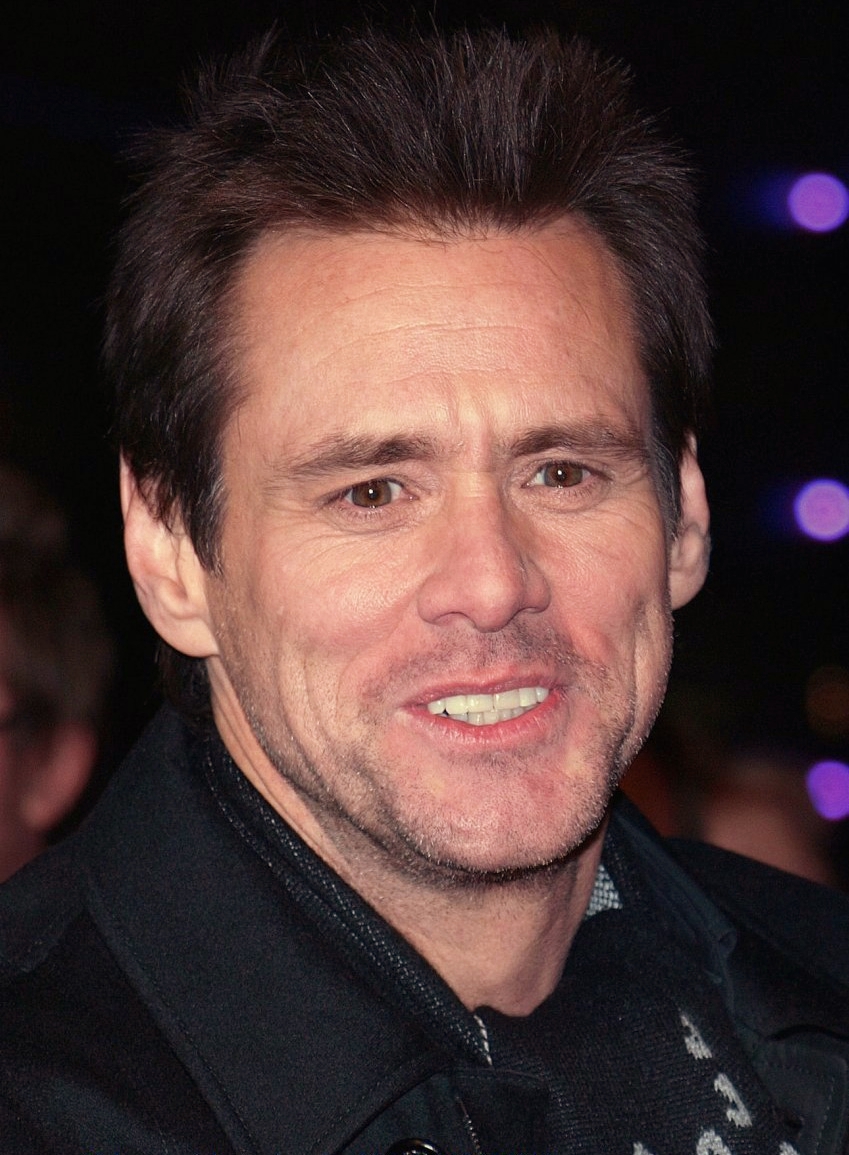
Aaron Eckhart.

Actor · Film and television performer

From the charismatic lobbyist Nick Naylor in Thank You for Smoking to Gotham's conflicted Harvey Dent in The Dark Knight, Eckhart has built a career portraying people under moral and institutional pressure. Explore his recorded OPS classification through the contrasting choices and public dilemmas found in his work.

OBJECTIVE PERSONALITY CLASSIFICATIONMF-Te/Ne-PC/S(B)What does this mean?
PERSONALITY SYSTEMObjective Personality
LEAD FUNCTIONTe · Extroverted Thinking
SECOND SAVIOR FUNCTIONNe · Extroverted Intuition
MBTI EQUIVALENTESTJ
01 / BEHIND THE CLASSIFICATION

The personality behind the fame.

How does a recorded OPS classification like MF-Te/Ne-PC/S(B) break down? Walk through nine coins and watch the proposed type take shape. These are deductions from the archived code, not independent evidence of typing accuracy.

Scroll below to see Aaron Eckhart take shape.

STARTING POINT512 possible OPS typesNine binary choices narrow the possibilities in the original OPS model.
THE FINISH LINEMF-Te/Ne-PC/S(B)One recorded classification, decoded from its components.
Aaron Eckhart’s HUMAN NEEDS 01—03
01
DECIDER OR OBSERVER?

Decider over Observer

Deciders have more balanced Observer poles in the middle: Control (Oi) and Chaos (Oe). Organizing what's known and handling what's new tend to feel more manageable. People are the harder territory. Self (Di) and Tribe (De) sit at the extremes, so judgment, rejection, approval, and conflict can trigger the strongest reactions.

Eckhart has kept much of his personal life out of the spotlight even while building a very public acting career. His recorded Te/Ne type is a Single Decider with De leading: the sharper tension isn't ignoring other people's opinions, but giving outside standards and judgments so much weight that personal significance can start to feel conditional. The fear underneath is 'Am I enough if the tribe doesn't approve?'—a possible OPS pressure point, not a claim about what Eckhart privately feels.

D
02
SELF OR TRIBE?

De · Tribe over Di · Self

Tribe (De) is the stronger deciding pole. They check decisions against people, shared standards, and what works for the group: what do we need, what will others think? The strength is coordination and responsiveness; the recurring friction is the Self (Di)—knowing and defending their own position. As the portrait unfolds, notice how Tribe takes the lead.

He has kept his romantic life comparatively private. Te's results lens asks a provocative question: when Hollywood rewards exposure, is protecting your privacy a success nobody can measure? Under pressure, this OPS pattern suggests Aaron Eckhart may neglect their own independent position. Greater balance comes from naming personal needs even when the group disagrees.

De
03
GATHER OR ORGANIZE?

Oe · Gather over Oi · Organize

Gather (Oe) leads with new information, experiences, and possibilities. Its strength is curiosity and adaptability; the recurring friction is narrowing the options and settling into what is already known. Another layer of the personality portrait comes into focus.

His provocative breakthrough in Neil LaBute's In the Company of Men was hardly a safe crowd-pleaser. Se's gather-first side makes entering a messy opportunity more interesting than waiting for universal approval. That breadth is the advantage of Gather: it creates room to explore a new direction rather than repeating an old formula. But the same openness can make deciding what not to pursue the harder part. Under pressure, this OPS pattern suggests Aaron Eckhart may neglect consistency, narrowing options, and following a settled plan. Greater balance comes from organizing what is already known and committing to a direction.

Oe
FIRST THREE COINSD + De + Oe

These establish the preferred human needs in the OPS framework.

Aaron Eckhart’s FUNCTIONS 04—05
04
FEELING OR THINKING?

Thinking · T over Feeling · F

Thinking (T) evaluates decisions through reasons, logic, and what works—not a lack of emotion. Its strength is analytical consistency; Feeling (F) provides balance through values, meaning, and the human consequences of a decision. Combined with Tribe (De), this forms the recorded Savior Te.

His breakout film drew controversy as well as attention. Te's strength is producing an effec. Through a Thinking lens, effectiveness and internal consistency take priority when evaluating a choice. That clarity is useful, but it does not automatically answer how the decision lands with other people. Under pressure, this OPS pattern suggests Aaron Eckhart may neglect values, emotional significance, and human consequences. Greater balance comes from considering what matters to people alongside logical effectiveness.

T → Te
05
SENSING OR INTUITION?

Intuition · N over Sensing · S

Intuition (N) focuses on concepts, patterns, and what information might mean. Sensing (S) balances it through observable facts, physical detail, and direct experience. Combined with Gather (Oe), this gives the recorded Savior Ne.

He lived abroad, studied at BYU, and entered acting through independent film. Se's concrete-opportunity lens fits the unconventional path, while chasing the next opening can scatter a long-term plan. An Intuition preference draws connections between events and looks for the meaning behind them. The risk is trusting an elegant interpretation before checking whether the concrete details support it. Under pressure, this OPS pattern suggests Aaron Eckhart may neglect concrete evidence, direct experience, and physical detail. Greater balance comes from testing interpretations against what can actually be observed.

N → Ne
THE TWO SAVIOR FUNCTIONSTe / Ne

Opposing functions: Fi and Si. This is a jumper classification.

Aaron Eckhart’s ANIMAL STACK 06—07
06
PLAY OR SLEEP?

Play over Sleep

Play emphasizes external real-time engagement; Sleep emphasizes internal processing. The recorded stack places Play earlier.

Moving between independent drama and studio action films keeps his career from belonging to one franchise. Play first suggests engagement as a strength, but motion can crowd out reflection. Play leads the energy exchange: momentum comes from real-time interaction and responding to what is happening around them. The difficult move is making space for solitary processing rather than staying in motion. Under pressure, this OPS pattern suggests Aaron Eckhart may neglect private processing, rest, and reflection. Greater balance comes from slowing down to reflect before responding to the outside world.

P > S
07
CONSUME OR BLAST?

Consume over Blast

Consume gathers information for internal processing; Blast organizes and communicates information. The recorded order is Play → Consume → Sleep → Blast. This comparison follows their positions in that stack.

His early career was shaped by collaboration with a director willing to provoke audiences. Consume second raises the question of how much a person learns from challenging environments before deciding what to do.

C > B
Aaron Eckhart’s ANIMAL ORIENTATION 08—09
08
INFO OR ENERGY DOMINANT?

Energy over Info

Info animals are Consume and Blast; Energy animals are Play and Sleep. With Blast last, the Energy pair is dominant because the missing fourth animal belongs to the opposite pair.

Eckhart's public work is visible while much of his private life is not. Play/Consume reminds us that professional availability does not entitle strangers to personal intimacy.

Energy
09
INTROVERSION OR EXTROVERSION?

Introversion over Extroversion

The last animal, Blast, determines this OPS coin: Play or Blast last means Introversion; Consume or Sleep last means Extroversion. This describes animal orientation, not sociability or shyness.

When another film arrives, saying yes may be easier than assessing the whole trajectory. Sleep last raises a growth question about integration versus momentum, not a claim about his private habits.

I
ADDITIONAL LAYER · SEXUAL MODALITIES

The four sexual modalities.

OPS uses masculine/feminine sensory and extroverted-deciding distinctions as framework-specific terms, not gender categories. The recorded modality is MF · Audio.

MM KinestheticMasculine Sensory · Masculine De
MF RECORDED MODALITYAudioMasculine Sensory · Feminine De
FF TesterFeminine Sensory · Feminine De
FM VisualFeminine Sensory · Masculine De
COMPLETE RECORDED OPS TYPE · NINE COINS + SEXUAL MODALITIESMF-Te/Ne-PC/S(B)

Te leads, Ne supports, and the animal stack is Play → Consume → Sleep → Blast.

THE FINISHED PORTRAIT · ALL NINE COINS REVEALED

Aaron Eckhart's complete function and animal stack

PlayConsumeSleepBlastfTemSifNemFi
MF-Te/Ne-PC/S(B)DOUBLE ACTIVATED · CONSUMEExplore the Interactive Coin Builder →
THE AARON ECKHART LENS

The price of being enough.

Eckhart's path from an internationally mobile upbringing to a provocative independent-film breakthrough and major studio roles is not the neat Hollywood success story. In the Company of Men made him visible through a film that unsettled audiences; Thank You for Smoking and The Dark Knight later put him at the center of enormous public conversations. Yet he has kept much of his personal life comparatively guarded. There's a delicious contradiction here: the industry pays you to be watched, then acts surprised when you don't want to be known.

That contrast gives his Te-first OPS classification a sharper edge. A De-first Single Decider is oriented toward outside standards, effectiveness, and the judgments of other people. The danger is not that the tribe's opinion means nothing; it's that it can mean too much. A successful performance, a good review, another opportunity—none can permanently answer the question 'Am I enough?' if significance is being measured from the outside. We cannot know whether Eckhart experiences that fear, but his very public career and comparatively private personal life make the question worth exploring.

Te as a savior can be extraordinarily useful: read the room, understand the criteria, deliver something that works. The neglected Fi side asks a far less marketable question: what matters to me when nobody is evaluating the result? A person can become so competent at meeting expectations that their own preferences remain underdeveloped or difficult to hear. The growth edge for a De-first Single Decider is not to stop caring about others, but to stop treating every judgment as a referendum on personal worth. That's the distinction between responding to feedback and outsourcing significance.

His recorded animal stack, Play → Consume → Sleep → Blast, adds another layer. Play first and Consume second point toward engaging with the world and gathering experience; Sleep third asks for a quieter period of integration, while Blast last can make delivering a settled explanation less comfortable than staying in motion. For someone whose public career is built on new roles and collaborators, the provocative OPS question is whether constant responsiveness can drown out an independent inner standard. A more balanced version of the pattern doesn't need one more audience to applaud. It needs room to know what it believes before the reviews arrive.


These coins explain how to read the archived classification; they are not an independent typing assessment. OPS is not an independently scientifically validated personality assessment. Learn about the method →

Want to understand the Savior and Demon states behind these nine coins? Explore the complete explanation, visual examples, and typing principles on our Methodology page →

02 / KEEP EXPLORING

Different faces. Familiar patterns.

Explore other celebrities with related recorded OPS classifications. Related functions are not necessarily exact type matches.

Discover Type Twins
YOUR TURN

Curious about your own type?

Discover how your own personality might be classified through Objective Personality.

Get objectively typed