What a personality test can’t tell you If you’ve ever taken a personality test and gotten a different result the next time, you’ve run into one of the problems with typing by questionnaire. A test can tell you how you answered its questions. It has a harder time telling you why you answered that way or whether the answer reflects what you consistently do.
Take a question like “Do you like having a plan?” Two people might answer yes. One wants to know what to expect before walking into a room. The other likes having a plan because it gets everyone moving and they can improvise from there. Same answer, different reasons. Now take that ambiguity into a forum where people are typing themselves or guessing a celebrity’s type from an interview. Two people can use the same four letters and mean very different things by them.
That doesn’t make every personality assessment useless. A trait measure like the Big Five asks a different kind of question. Myers-Briggs and the Enneagram can help us notice patterns in our lives. But if the goal is to identify patterns in how someone thinks and behaves that another person can independently recognize, a questionnaire alone can’t show you whether the result holds up. That’s the problem Objective Personality set out to tackle.
From RC airplanes to two separate rooms Dave Powers started experimenting with Myers-Briggs while running RCPowers , his remote-control airplane business. He used MBTI to understand what different customers cared about, market to them more efficiently, and grow the business. But after a while, he realized that being useful in marketing wasn’t the same as being able to reliably identify someone’s type.
That distinction came up in a conversation with a friend about why so much of personality typing felt pseudoscientific. Dave wanted to pin down what the types actually meant so he could use them more effectively over time. His friend pointed out that if two people could watch the same interview and come away with different types, their calls might say as much about what each observer noticed as about the person they were watching.
The friend suggested a simple test: Dave (and his partner Shannon) should go into separate rooms, watch the same footage, and write down which type they saw before comparing answers. If the definitions were clear enough for both of them to apply, they should be able to reach the same result without talking it through first. And if they could do that consistently, they’d have a stronger starting point for identifying and predicting patterns in behavior.
They expected to do better than they did. Instead, they often came back with different types. Once they took away the chance to influence each other, it was harder to miss how much of the typing still depended on what each person noticed and how they interpreted it. They considered giving up more than once. But Dave had seen enough value in using personality to guide his marketing that he wasn’t ready to throw the whole thing out.
That early disagreement was the beginning of OPS . Instead of debating which four letters seemed to fit, Dave and Shan started breaking a type into smaller decisions and sharpening the definitions behind each one. When they disagreed, they could ask a more useful question: What did each of us see, and would we call it the same thing next time?
Carl Jung’s cognitive functions proved most useful when Dave and Shan broke them down into smaller distinctions they could look for in the footage. The 16 Myers-Briggs types became 32 base types in OPS. Further distinctions brought the total to 512 possible types. The checklist breaks the job into nine decisions, called coins , so the typers can see which parts of a type they agree on and where they’re seeing things differently.
What blind typing adds If two people discuss an interview first, it’s hard to know whether they saw the same thing or one persuaded the other. In a blind typing, each person makes their own call before comparing results. When they agree, it shows that they can apply the same definitions and reach the same answer on their own. When they disagree, the checklist helps them see exactly where their calls diverged.
Dave and Shan report agreeing nearly 90% of the time when typing independently using a system with 512 possible types. Two people can agree and still be wrong, but the blind format tests something self-assessment doesn’t: whether someone else can look at the same behavior and arrive at the same type without being told what to see. OPS is still evolving, but that’s a stronger test than asking whether a description feels right.
More than a decade of blind typing, in one archive Behind the Celebrity Archive are more than ten years of painstaking work. Dave and Shan watched interviews in separate rooms, made their calls independently, and then compared them. When their calls differed, they could go back to the footage and ask what each of them had seen. Doing that over and over helped sharpen the definitions that make up Objective Personality today. Start with someone you know, then see if you can spot the same pattern in someone you never would have put in the same category.
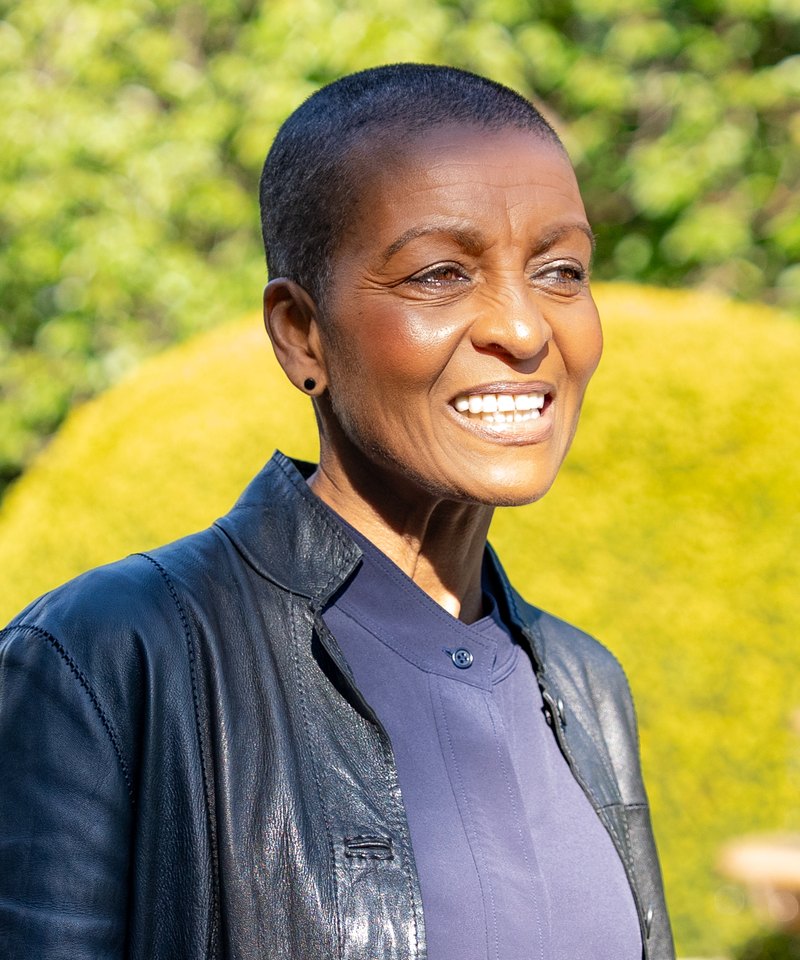
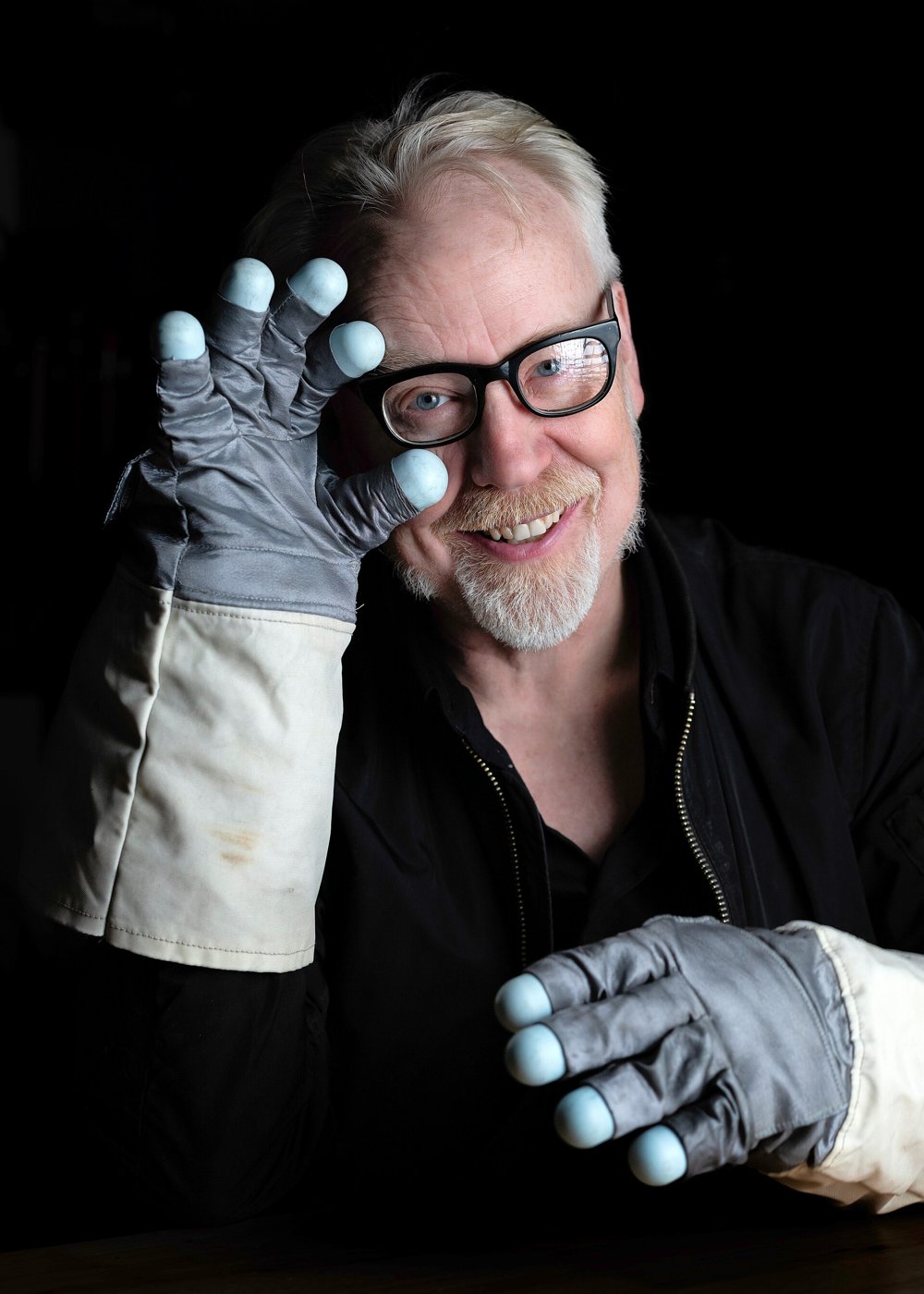
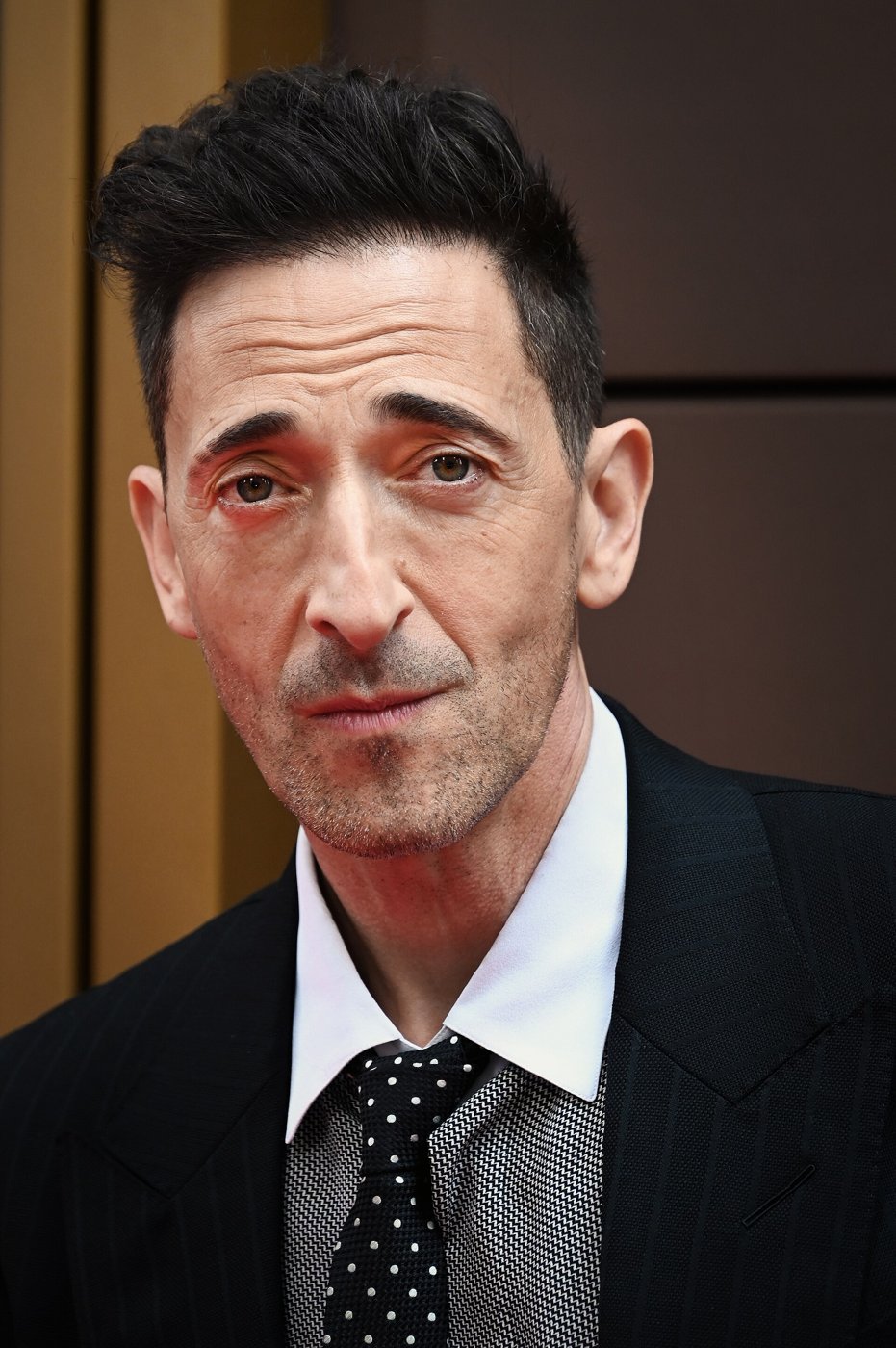
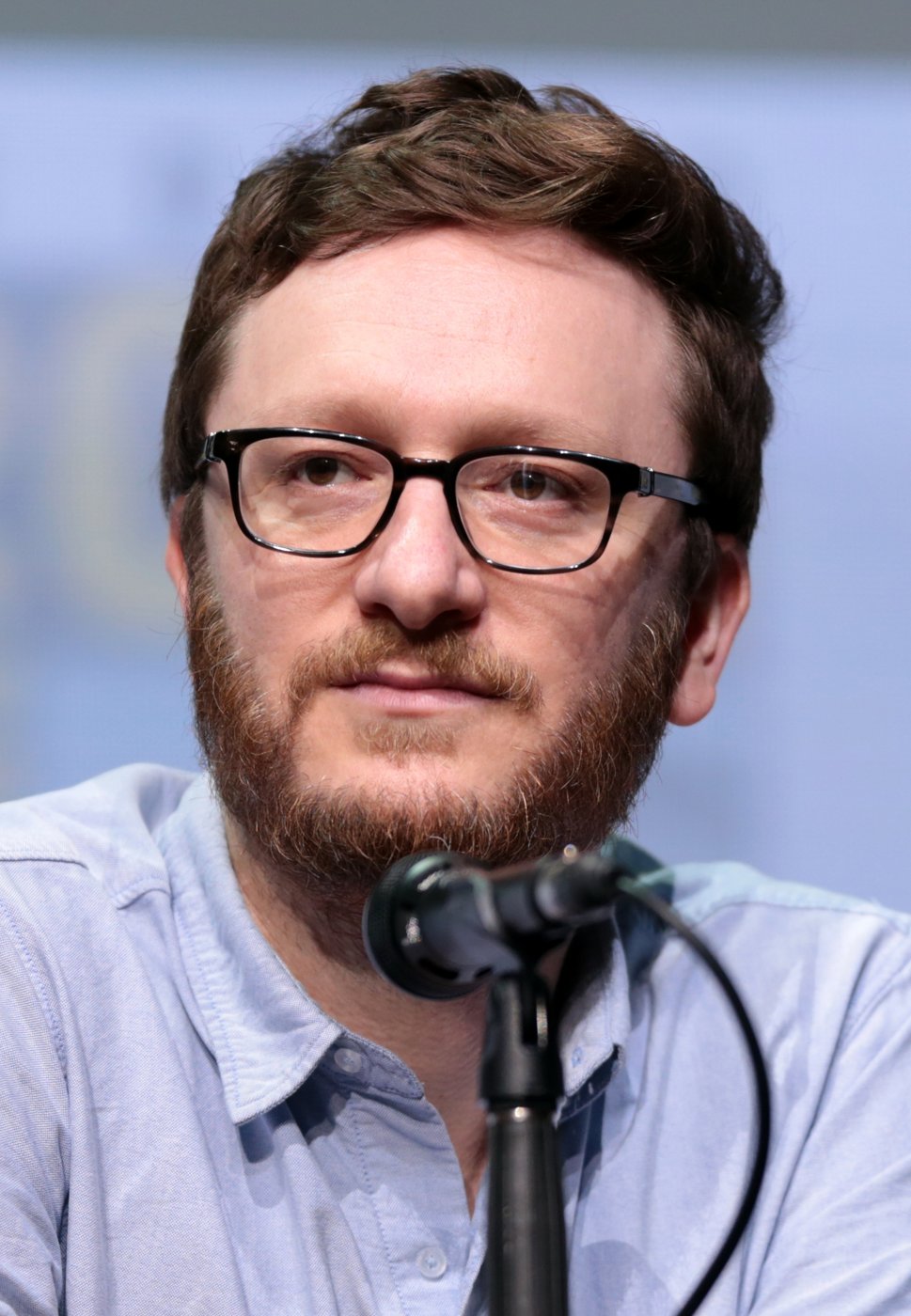
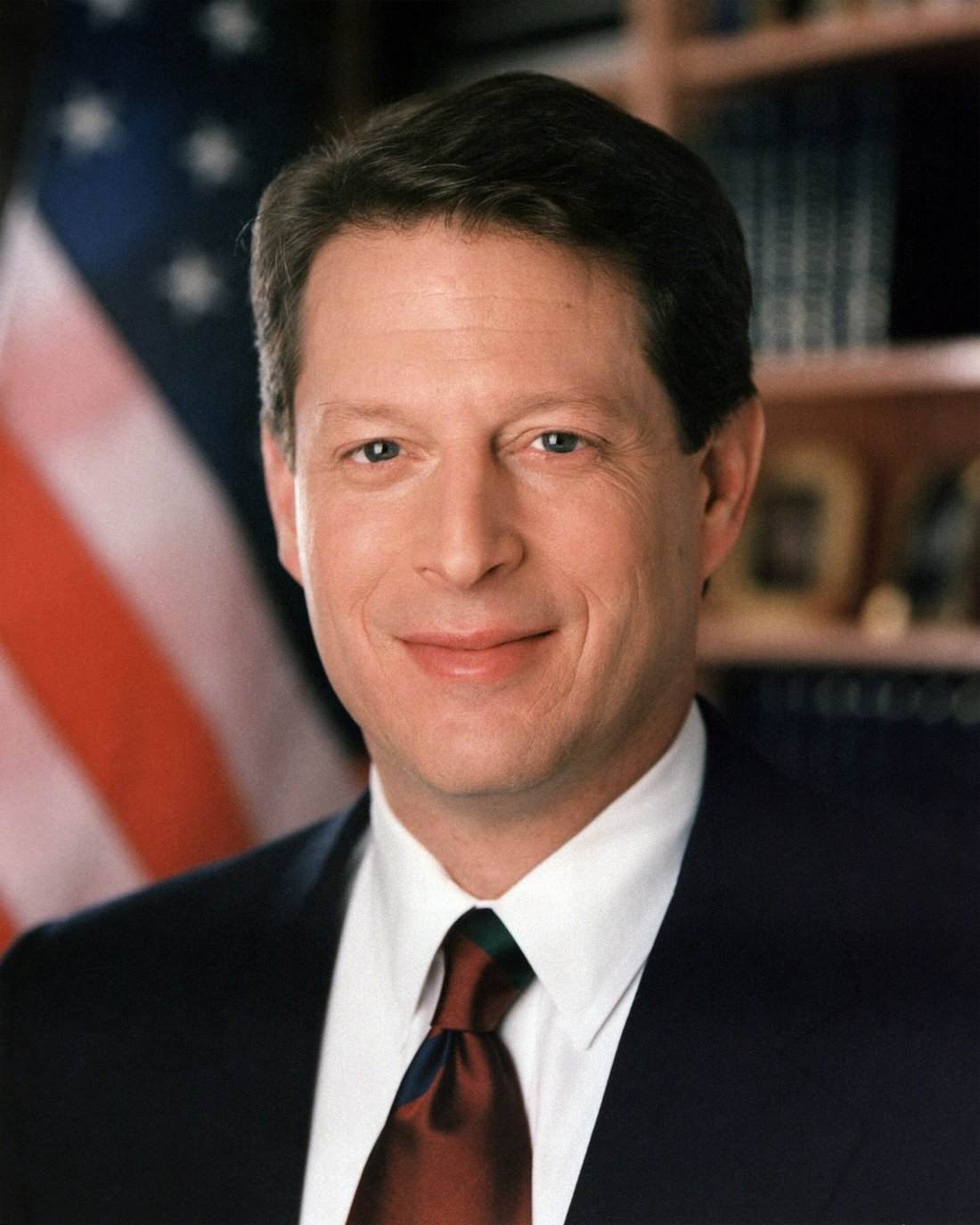
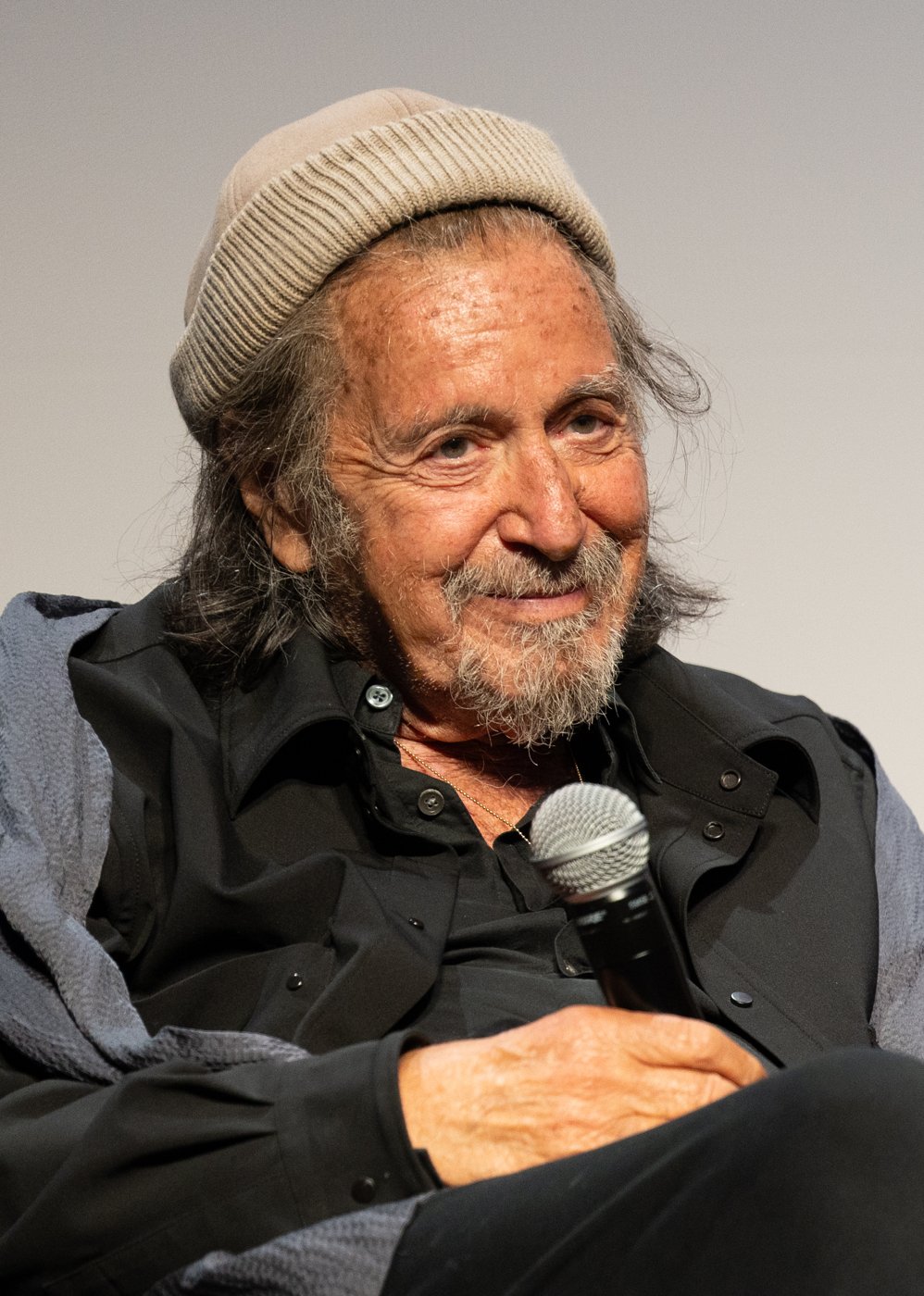
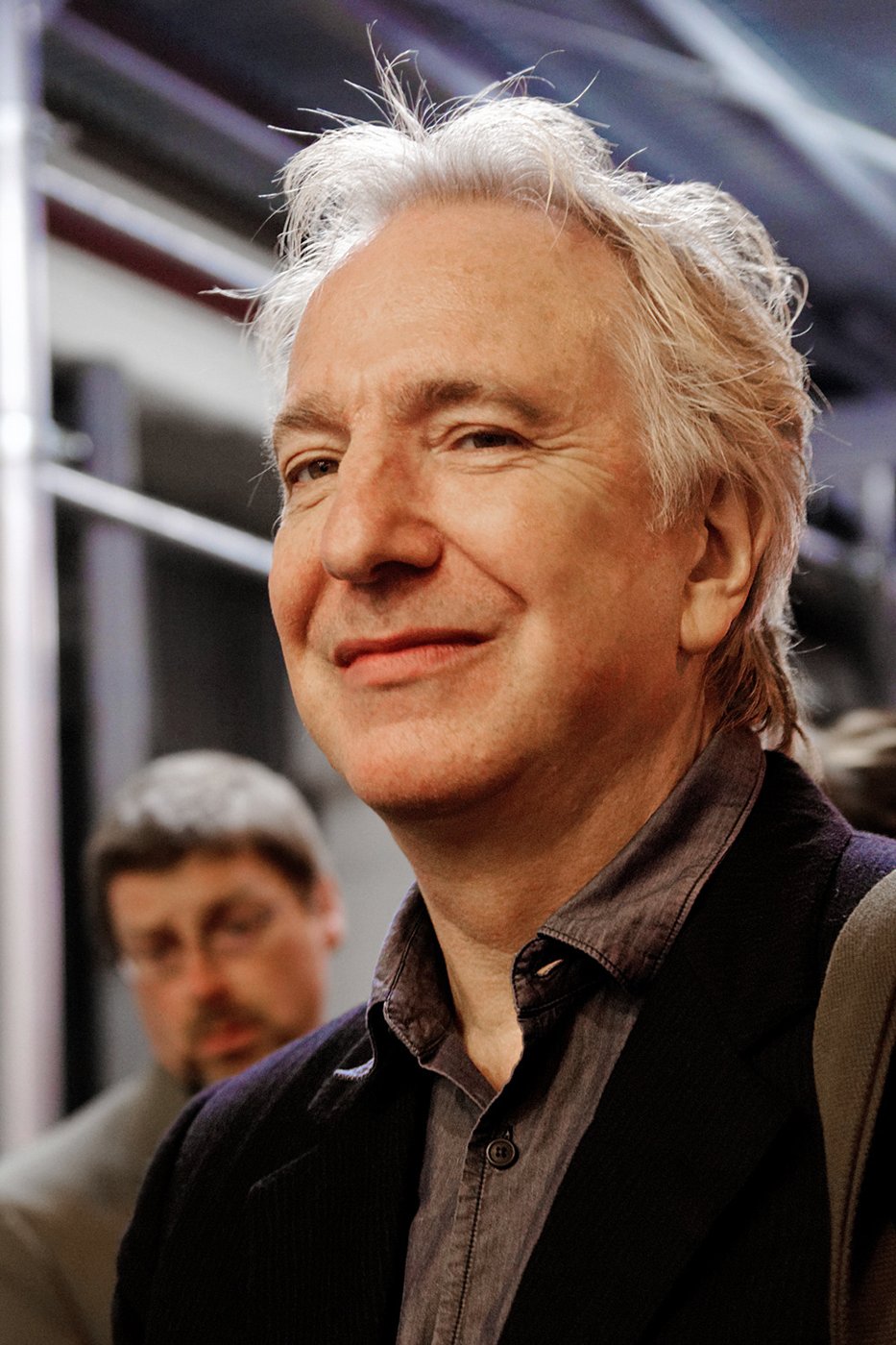
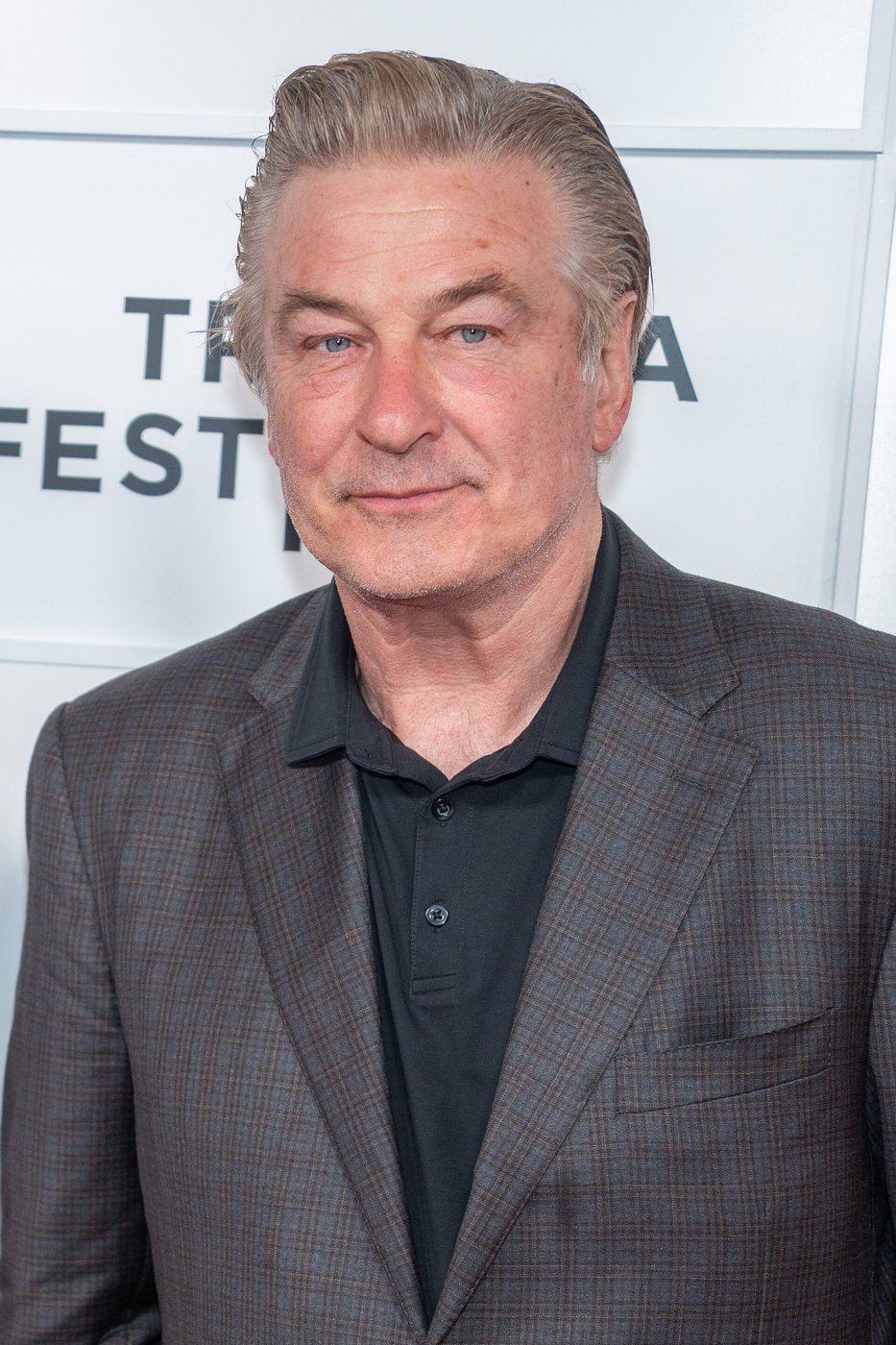
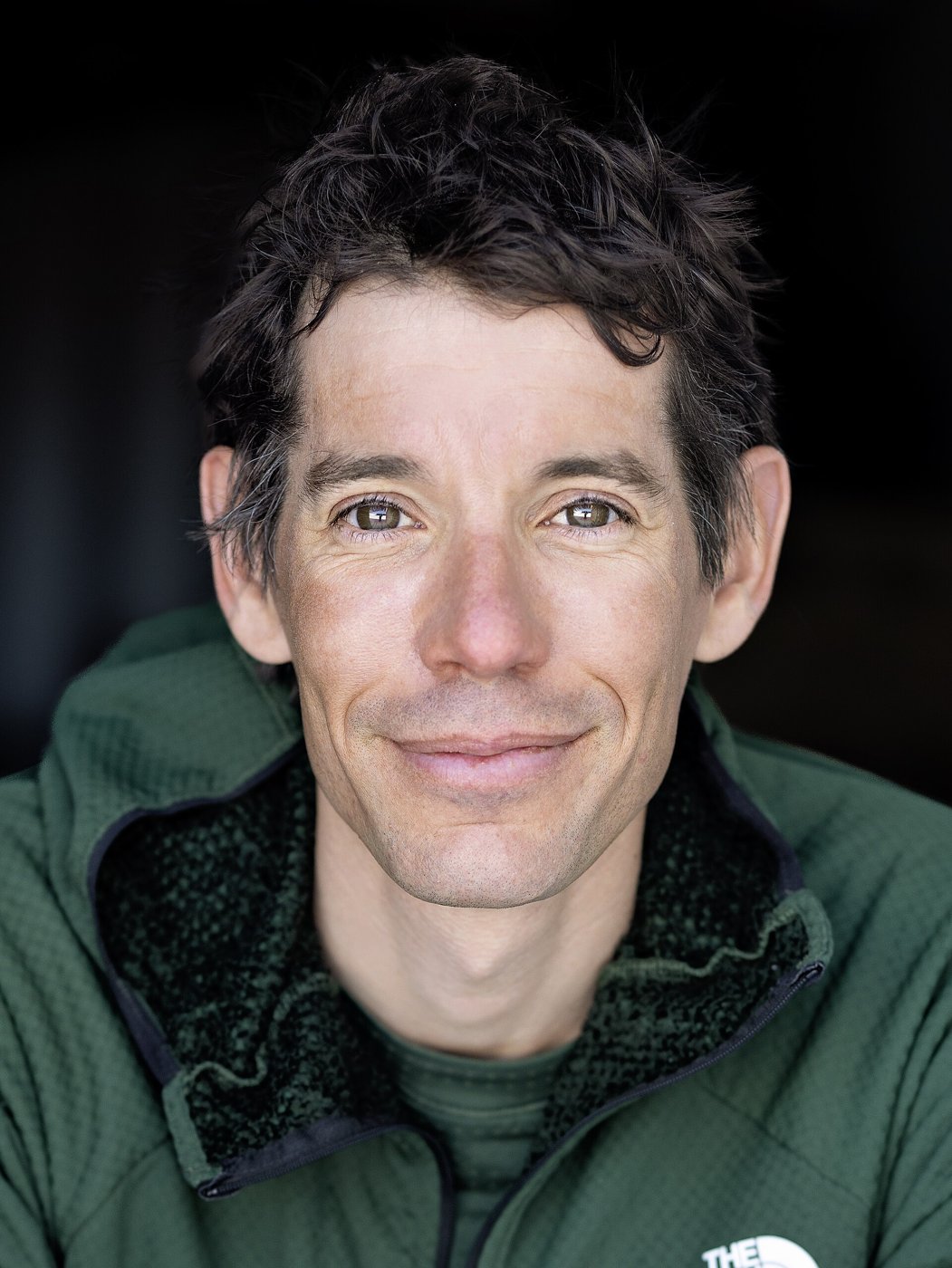
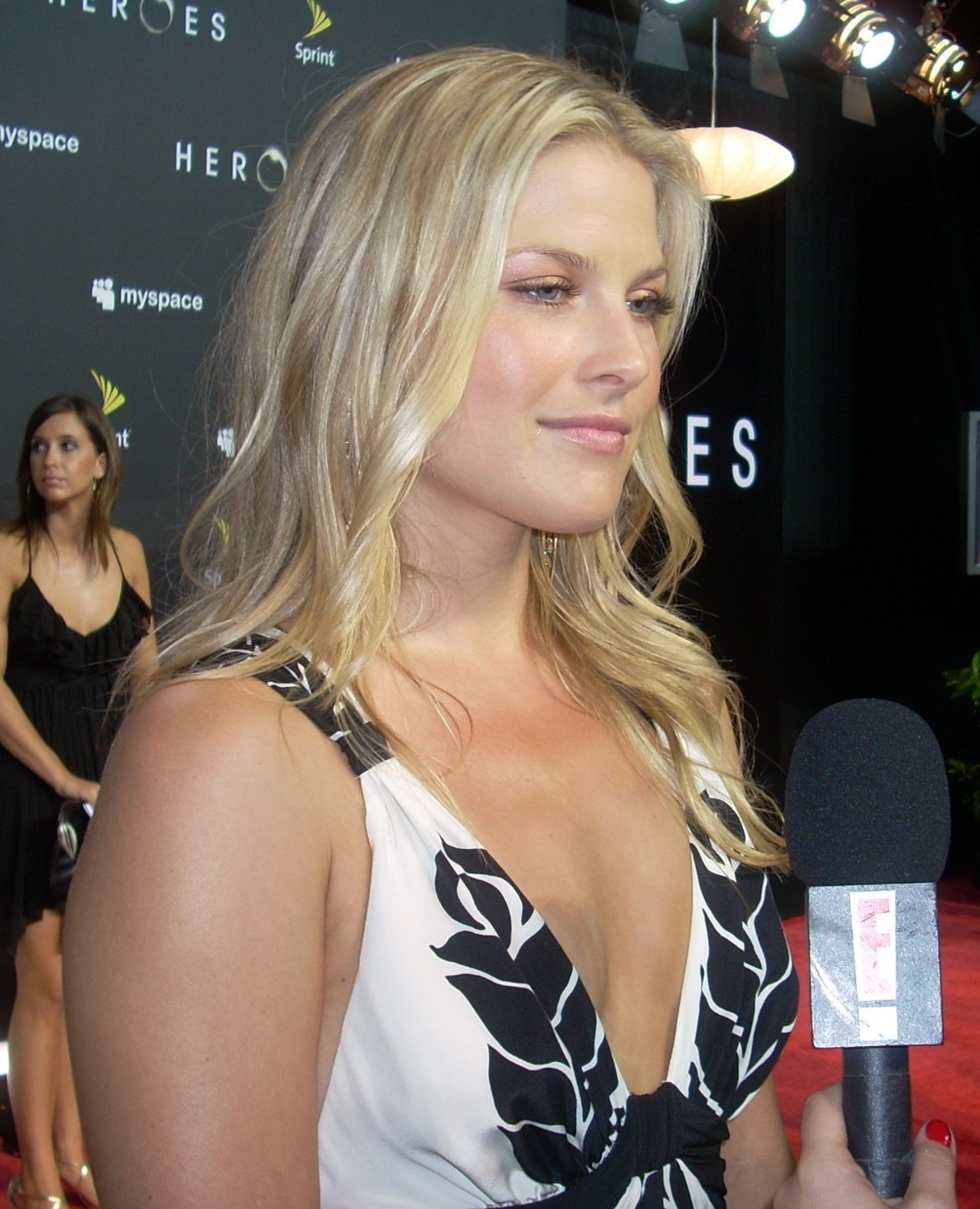
Type Twins: Same type. Striking resemblance. As Dave and Shan’s blind typing results came together in their shared document, they noticed a surprising byproduct: some people with the same full OPS type were straight-up doppelgängers. And it wasn’t just one uncanny pair. As more typings went into the document, it kept happening.
The type calls came first. The look-alikes jumped out afterward. That doesn’t prove OPS types are genetic, but seeing the resemblance show up again and again raises an exciting question: could genetics play a role in the patterns Dave and Shan were seeing?
See the Type Twins side by side →
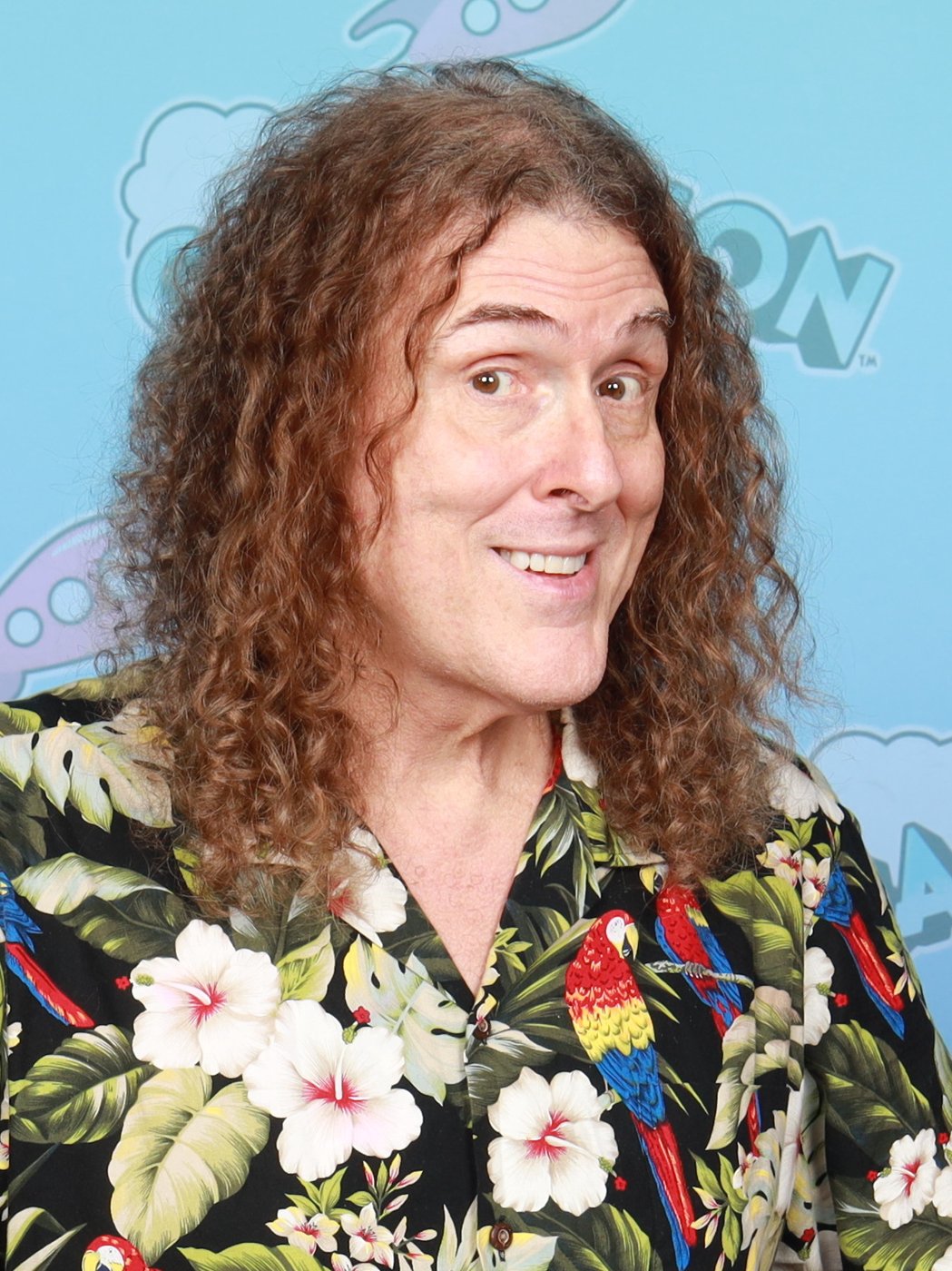
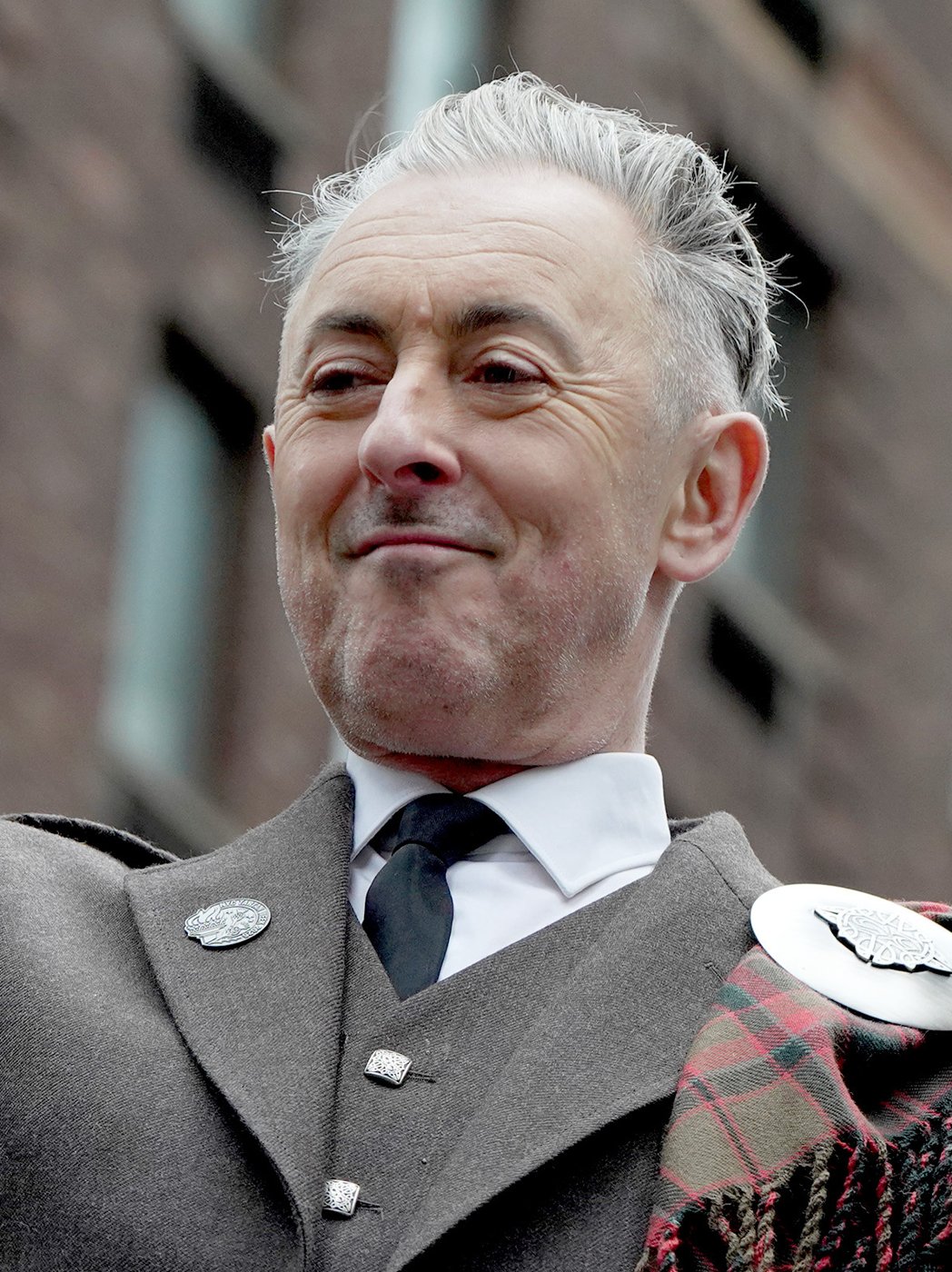
What makes The Personality Atlas different The Personality Atlas brings together more than 1,000 celebrity profiles using the OPS framework. You’re not scrolling through a list of MBTI guesses based on who seems outgoing in an interview or what a character was like on screen. Behind the official OPS typings in the archive is the work Dave and Shan put in: watching footage, looking for patterns in what someone says and does, and recording their calls independently before comparing them.
The archive lets you do something a list of four-letter labels doesn’t: compare people who share parts of a type and see which patterns recur even when their careers, backgrounds, and public personas look nothing alike.
Continue to the OPS Methodology →
 YOUR PERSONALITY, DECODEDCurious about